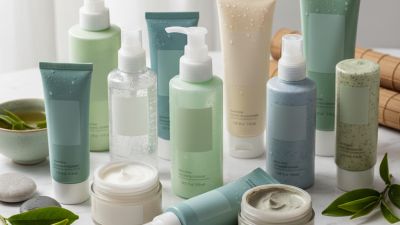
The 2026 emollient cream market is becoming more specialized, competitive, and evidence-driven. Global buyers now compare texture, barrier support, ingredient quality, and regional suitability. Emollient Cream products may include occlusive balms, lightweight lotions, ceramide creams, urea formulations, and botanical blends. Each type serves different skin conditions, climates, and consumer expectations.
A reliable purchasing decision requires more than reading a product label. Buyers should examine ingredient concentrations, stability data, microbiological testing, packaging performance, and supplier documentation. A rich cream may protect dry skin in cold weather, while a fast-absorbing lotion may suit humid markets and daily use. Ceramides, glycerin, petrolatum, shea butter, and urea remain important formulation choices, but their value depends on quality and dosage.
Regional standards also matter. A formula accepted in one market may require additional assessment elsewhere. Claims such as “hypoallergenic” or “dermatologist tested” should be supported by clear evidence, not attractive wording. This distinction is easy to miss. Experienced buyers often request samples, review certificates, and test products under realistic storage conditions before placing large orders.
No single cream type is ideal for every market. Climate, skin sensitivity, price positioning, and packaging preferences can change the result. Some buyers may overvalue trendy ingredients and underestimate supply reliability. That is a practical weakness worth examining. This guide compares the leading Emollient Cream types for 2026, helping global purchasers balance performance, compliance, consumer trust, and commercial practicality.
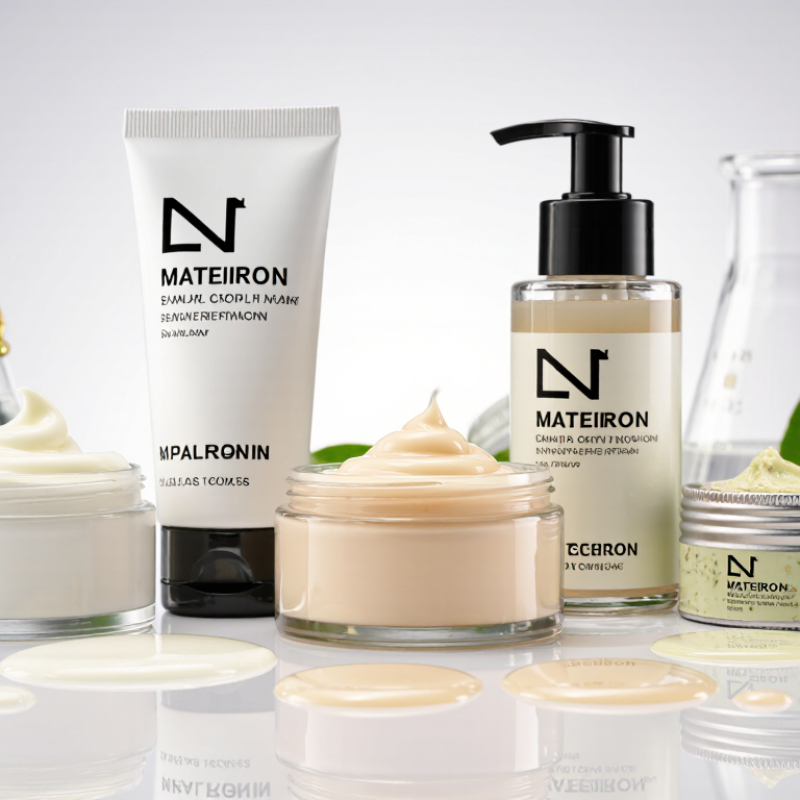
2026 Top Emollient Cream Types for Global Buyers?
Emollient creams are not interchangeable, even when their ingredient lists look similar. Oil-in-water (O/W) creams place oil droplets inside a water phase. They feel light, spread quickly, and suit humid climates or daytime use. Buyers often choose O/W textures for facial care and fast-absorbing body products. However, heat can weaken viscosity and change the sensory profile during transport.
Water-in-oil (W/O) creams reverse the structure. Water droplets sit within a continuous oil phase, creating stronger barrier support and better resistance to rinsing. This type can benefit dry, windy, or cold environments. It may feel richer, though, and some users dislike the slower absorption. Packaging tests matter because pumps may perform differently with thick emulsions.
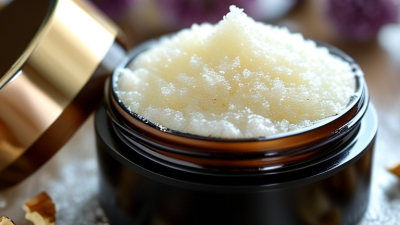
Anhydrous creams contain no water, so they usually rely on oils, waxes, butters, or esters. They can offer high occlusion and simpler microbial-control requirements, but oxidation and melting remain practical concerns. Lamellar creams use layered structures that resemble parts of the skin’s lipid organization. They often provide elegant spread, sustained comfort, and useful barrier support. Still, lamellar claims should be verified through stability, microscopy, and skin-compatibility data. I would not select a cream from texture alone. Supplier documentation, climate testing, filling behavior, and regional labeling requirements deserve equal attention. Small details matter. A formula may feel excellent in a laboratory, yet fail after six weeks in a hot warehouse.
Emollient creams are commonly classified by their continuous phase and internal structure. This chart compares indicative water and oil proportions used in representative formulations; actual compositions vary by product purpose, skin feel, stability requirements, and regulatory market.
Indicative formulation benchmarks: anhydrous systems contain no continuous water phase; W/O systems are oil-continuous; O/W systems are water-continuous; lamellar systems use layered liquid-crystal structures and may be formulated across a broad water range.
For global buyers in 2026, emollient cream selection is moving beyond softness and immediate shine. A stronger dermatology benchmark combines a near 3:1:1 lipid balance with a pH of 4.5–5.5. This ratio commonly refers to ceramides, cholesterol, and free fatty acids. Together, these lipids can support the stratum corneum’s organized barrier structure. The pH range also fits the skin’s naturally acidic surface. That matters after cleansing, shaving, or exposure to dry air.
In product evaluation, buyers should request finished-product data, not only ingredient claims. Check pH measurements across production batches. Review viscosity, microbial testing, packaging compatibility, and accelerated stability results. A cream may show an excellent lipid ratio but fail after heat exposure. Real-world performance can change in humid warehouses or during winter transport. Dermatologist-reviewed tolerability studies add useful evidence, especially for sensitive or compromised skin. Small application trials can reveal stinging, residue, or poor absorption.
The 3:1:1 model is helpful, not sacred. Skin needs differ by age, climate, and disease status. Some formulas require soothing agents or humectants alongside barrier lipids. Buyers should avoid treating one ratio as a universal promise. I have seen elegant laboratory profiles perform poorly when the cream pills under sunscreen. That gap deserves attention. Transparent specifications, repeat testing, and cautious claims create more reliable purchasing decisions.
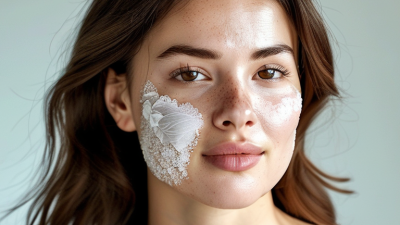
For global buyers, emollient cream selection should begin with target use, not packaging claims. A practical ranking places 5–10% urea creams first for rough, dry adult skin. Urea attracts water and helps soften thickened areas. It may sting on cracked skin, however. Patch testing and clear ingredient records remain important.
Baby-care creams follow when mildness, simple formulas, and low fragrance exposure matter most. They suit routine dryness, but not every infant needs a rich occlusive layer. Sensitive-skin creams rank next, especially when formulas avoid common irritants and support the skin barrier. “Fragrance-free” still requires careful label review. Preservatives and botanical extracts can also trouble some users.
For eczema-focused purchasing, specialized emollient creams deserve separate assessment rather than automatic first place. A suitable formula may reduce dryness and support daily care, yet it cannot replace medical evaluation during flares, infection, or persistent itching. Texture affects compliance: a cream that spreads quickly may be used more consistently than a heavy ointment. Buyer specifications should cover urea level, pH, testing standards, batch traceability, and storage conditions. The ranking is helpful, but not universal. Climate, age, and skin condition can change it.
| Rank | Target Use | Buyer Priority Score |
Typical Active Profile | Primary Skin Benefit | Preferred Texture and Format | Key Purchasing Criteria | Important Formulation Considerations |
|---|---|---|---|---|---|---|---|
| 1 | Sensitive Skin | 9.5/10 | Humectants such as glycerin; barrier-supportive lipids including ceramides; emollients such as squalane or caprylic/capric triglyceride; optional panthenol. | Helps reduce dryness, supports the skin barrier, and improves comfort for easily irritated skin. | Lightweight cream, lotion, or fragrance-free daily moisturizer with easy spreadability and low residue. | Fragrance-free option, short ingredient list, low-irritation profile, dermatologist testing, clear allergen disclosure, and suitable pH. | Avoid unnecessary fragrance, essential oils, harsh surfactants, and high levels of potentially irritating actives. Use packaging that limits contamination and oxidation. |
| 2 | Eczema-Prone and Very Dry Skin | 9.3/10 | Occlusives such as petrolatum or dimethicone; humectants including glycerin; barrier lipids such as ceramides; colloidal oatmeal may be included where permitted by local regulations. | Reduces transepidermal water loss and helps protect dry, compromised skin from environmental exposure. | Rich cream, balm, or ointment with high substantivity and strong overnight moisturization. | Fragrance-free and dye-free positioning, documented safety testing, low-irritation claims supported by evidence, and compatibility with sensitive-skin routines. | Avoid making medicinal or disease-treatment claims unless the product is registered under the applicable regulatory pathway. Patch testing and preservative efficacy testing are important. |
| 3 | 5–10% Urea Moisturizing Cream | 9.1/10 | Urea at 5–10% combined with glycerin, sodium PCA, or other humectants; supportive emollients such as shea butter, triglycerides, or fatty alcohols. | Provides effective hydration and helps soften rough, dry, or scaly skin. Urea at this range is commonly used for moisturization rather than intensive keratolysis. | Medium-to-rich cream for hands, feet, elbows, knees, and dry body areas; airless pumps or tubes are practical formats. | Accurate urea concentration, stability data, odor control, non-stinging sensory profile, and packaging that reduces water loss and contamination. | May sting on cracked, inflamed, or freshly exfoliated skin. Formula pH, preservative system, and compatibility with packaging should be validated. |
| 4 | Baby Care | 8.9/10 | Mild emollients such as mineral oil, petrolatum, sunflower seed oil, or caprylic/capric triglyceride; glycerin may be used for hydration. | Helps maintain soft skin and supports protection against dryness caused by bathing, friction, and low-humidity conditions. | Gentle lotion or cream with quick absorption for daily use; richer balm formats may be used on especially dry areas. | Pediatric safety review, fragrance-free option, low allergen exposure, microbiological quality, clear age guidance, and packaging suitable for frequent use. | Avoid unnecessary essential oils, strong fragrance, and aggressive exfoliating ingredients. Claims should reflect the product's cosmetic status and the regulations of each target market. |
| 5 | Daily Body Moisturizing | 8.6/10 | Balanced combination of humectants, emollients, and occlusives, commonly including glycerin, fatty alcohols, plant oils, dimethicone, or petrolatum. | Improves skin softness, reduces visible dryness, and supports routine moisture maintenance across large body areas. | Fast-spreading lotion or medium-weight cream in pump bottles, tubes, or refill formats. | Cost-effective raw materials, stable viscosity, fast absorption, pleasant after-feel, broad climate suitability, and efficient large-format packaging. | Balance occlusivity with user comfort, especially in hot and humid climates. Conduct stability testing across expected transport and storage temperatures. |
| 6 | Hand and Foot Repair | 8.4/10 | Urea commonly at 5–10% for moisturization; higher levels may provide stronger softening but require appropriate positioning and tolerability testing. Occlusives and barrier lipids are often added. | Softens rough texture, improves hydration, and helps protect areas exposed to frequent washing, friction, or footwear. | Rich cream, balm, or targeted foot cream with durable moisturization and low transfer after application. | Reliable softening performance, non-slip after-feel, tube compatibility, clear usage instructions, and consumer tolerance on dry or fissured skin. | Strongly active formulas may be unsuitable for broken or irritated skin. Provide appropriate warnings and avoid unsupported claims regarding treatment of medical conditions. |
Emollient creams remain practical choices for global buyers in 2026. Common formats include oil-in-water creams, richer water-in-oil creams, barrier creams, and lightweight body emulsions. Each type needs a different compliance review. A rich balm may feel protective, yet its oils can affect stability, packaging compatibility, and microbial control.
ISO 22716 provides a useful manufacturing framework for cosmetics. Buyers should request batch records, hygiene procedures, ingredient traceability, and finished-product testing. It is guidance, not a universal product approval. For the EU market, every ingredient should use the correct INCI name. The product also needs a safety assessment, Product Information File, compliant label, and required notification before sale. Claims must match the evidence. “Soothes dry skin” is safer than an unsupported medical promise.
The FDA does not generally pre-approve cosmetic creams, except for specific color additive requirements. However, products must remain safe, properly labeled, and supported by reliable safety records. Current United States obligations may also include facility registration and product listing under applicable MoCRA rules. ASEAN markets usually follow the ASEAN Cosmetic Directive, including notification, ingredient restrictions, labeling, and a Product Information File. Details can vary by member country. Small gaps matter. A missing allergen check or unclear fragrance composition can delay customs clearance. In supplier reviews, I would also compare stability data at warm temperatures, because a cream that looks perfect at 25°C may separate inside a hot warehouse. Compliance checklists help, but they can still miss local language and claim requirements.
Global buyers in 2026 need more than a pleasant texture. An emollient cream must remain stable during storage, transport, and daily use. I check viscosity, odor, color, and separation after heat and freeze-thaw testing. Small changes can signal larger production problems.
MOQ often decides whether a promising formula is commercially practical. A low MOQ supports market testing, but it may increase unit cost. Larger orders usually reduce cost, yet they can lock cash into slow-moving inventory. Ask for batch records, test methods, shelf-life evidence, and clear delivery terms. Reliable suppliers should answer with documents, not vague assurances. Claims also require discipline. “Moisturizing” may need substantiation, while “hypoallergenic” requires stronger evidence and careful review.
Climate fit deserves equal attention. A cream designed for dry, cold regions may feel heavy in humid markets. Lightweight systems can improve comfort, but they may need stronger protection against heat-related texture changes. I once favored a lower-cost option before noticing its fragrance drift after warm storage. That was a costly lesson. Cost is not only the invoice. Include testing, packaging, freight, rejects, and reformulation risk. Leave room for uncertainty. Supplier data can be incomplete, and laboratory results may not predict every retail condition. A practical scorecard should rank stability, MOQ, substantiated claims, total cost, and climate performance by market. Temperature matters. Real use matters more.