What Are the Benefits of Using a Skin Scrub?
Skin scrubs have gained popularity in skincare routines for their ability to promote healthy skin. According to a report by the Dermatology Journal, exfoliation can enhance skin texture and clarity. Regular use of skin scrubs can remove dead skin cells, unclog pores, and stimulate circulation. These benefits contribute to a radiant appearance, making skin scrubs a staple for many.
However, not all skin scrubs are created equal. A study from the American Academy of Dermatology suggests that over-exfoliation can lead to skin irritation and damage. This highlights the importance of selecting products based on individual skin types. While some users might experience glowing results, others may find their skin becoming sensitive or irritated. It is crucial to approach skin scrubs with care.
Incorporating skin scrubs into a skincare regimen can be rewarding, but moderation is key. The Skin Health Foundation indicates that exfoliating too frequently can disrupt the skin's natural barrier. Thus, a mindful approach to using skin scrubs can help maximize their benefits while minimizing potential downsides. Consider your skin's needs and preferences for the best experience.
What is a Skin Scrub and How Does It Work?
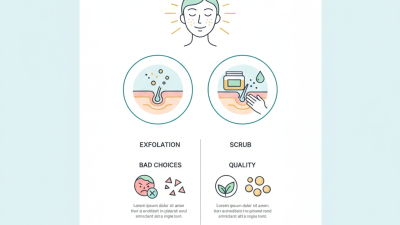
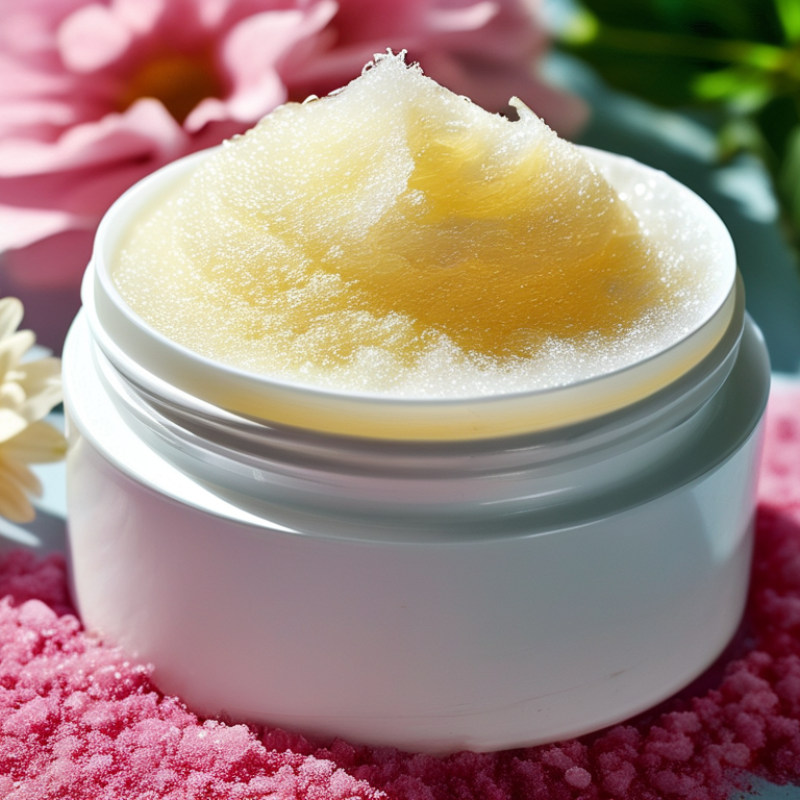
A skin scrub is a treatment designed to exfoliate the skin. It involves physical or chemical exfoliants that remove dead skin cells. This process promotes cell renewal, revealing a brighter and smoother complexion. Many scrubs contain ingredients like sugar, salt, or coffee grounds. These components physically slough off dead cells, while chemical agents like alpha-hydroxy acids help dissolve them.
Using a skin scrub can improve skin texture over time. Regular scrubbing can lead to softer, more radiant skin. However, overuse can lead to irritation. It's essential to know your skin's tolerance. This approach to skin care can also help with acne. By preventing the buildup of dead skin cells, scrubs may reduce breakouts.
The technique requires care and attention. It’s vital to avoid aggressive scrubbing. Gentle application ensures you reap the benefits without damaging the skin. Consider factors like skin type and sensitivity. Finding the right balance enhances results and aids in maintaining a healthy complexion.
Benefits of Using a Skin Scrub
This chart represents the various benefits of using a skin scrub, rated on a scale from 1 to 10 based on common consumer feedback. The benefits include exfoliation, improved circulation, unclogged pores, brighter skin, and smoother texture.
Key Ingredients Commonly Found in Skin Scrubs
When selecting a skin scrub, understanding its key ingredients is essential for maximizing benefits. Exfoliants, a common item in scrubs, can vary widely. Popular options include sugar, salt, and ground seeds. These components help remove dead skin cells and promote cell turnover, leading to smoother skin. A report by the American Academy of Dermatology notes that regular exfoliation can reduce the appearance of fine lines by up to 30%.
Another vital ingredient is alpha hydroxy acids (AHAs), derived from fruits. AHAs help dissolve the bonds between dead skin cells. According to a study published in the Journal of Cosmetic Dermatology, AHAs offer significant anti-aging properties, with surveys indicating that nearly 70% of users see improvement in skin texture.
Natural oils like jojoba or coconut oil commonly feature in scrubs for hydration. These oils help maintain moisture levels post-exfoliation. However, some scrubs can be abrasive if used too frequently. Overuse might lead to irritation or redness. It’s crucial to find a balance to avoid stripping the skin of its natural oils. Users should listen to their skin and adjust their routines accordingly for the best results.
Benefits of Regular Use of Skin Scrubs for Skin Health
Regular use of skin scrubs can significantly enhance skin health. Exfoliating removes dead skin cells, revealing fresh, radiant skin underneath. This process can improve texture, making the skin feel softer. It also unclogs pores, reducing the risk of breakouts. Many people overlook the importance of consistent skin care. Skipping scrubs can lead to dull-looking skin over time.
To get the best results, choose scrubs with natural ingredients. Look for options that suit your skin type. If you have sensitive skin, beware of harsh exfoliants. This can cause irritation, leading to redness or discomfort. Aim to scrub gently, focusing on areas that need extra care. Scrubs should be used once or twice a week, not daily. Over-exfoliating can do more harm than good.
Here are some tips for effective scrubbing: Always hydrate your skin afterward. Moisturizer helps lock in hydration. Experiment with different scrubbing techniques to find what works best for you. Keep your skin's needs in mind. At times, your skin might need a break from scrubs. Listen to it; find balance in your routine.
How to Choose the Right Skin Scrub for Your Skin Type
Choosing the right skin scrub requires understanding your skin type. Oily skin may benefit from a scrub with salicylic acid. This ingredient helps to control excess sebum and clear pores. For dry skin, opt for a gentle scrub with moisturizing properties. Look for hydrating elements like aloe vera or shea butter in the formula. These ingredients can help soothe and nourish while exfoliating.
Sensitive skin requires extra care. A mild, fragrance-free scrub is essential to avoid irritation. Consider scrubs with fine exfoliating particles that won't damage your skin. Products containing calming ingredients like chamomile or calendula can be beneficial. Always test a small area before applying the scrub to your entire face. This practice helps to prevent unexpected reactions.
It’s crucial to pay attention to your skin's condition over time. Skin can change due to factors like weather, stress, or diet. Regularly reassessing your skin type can guide you in choosing the most effective scrub. If a scrub causes redness or irritation, it might be time to reevaluate. Listening to your skin is key to maintaining its health and vibrancy.
Proper Techniques and Tips for Using a Skin Scrub Effectively
Using a skin scrub can revitalize your complexion. However, technique is key to achieving the best results. Start by choosing a scrub suited for your skin type. If you have sensitive skin, opt for products with gentle exfoliants. Scrubs with larger granules can be harsh. The aim is to buff away dead skin without causing irritation.
Before applying, cleanse your skin thoroughly. Wet your face and take a small amount of scrub in your hands. Gently massage it onto your skin in circular motions. Focus on areas prone to dryness or flakiness. Limit scrubbing to about 30 seconds to avoid over-exfoliating. Rinse with lukewarm water, then follow up with a soothing moisturizer.
Using a scrub too often can lead to problems. Excessive exfoliation may strip your skin of natural oils, leading to dryness or breakouts. Listen to your skin; it may need a break. It’s about finding a balance that works for you. Experiment with frequency but stay attuned to any signs of discomfort.