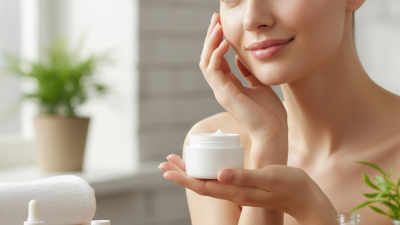
10 Best Facial Care Creams for All Skin Types
Choosing a Facial Care Cream can feel surprisingly difficult. Shelves are filled with rich balms, lightweight gels, barrier creams, and brightening formulas. Each promises smoother, softer, healthier-looking skin. Yet skin is personal, changeable, and sometimes unpredictable.
Dermatologist Dr. Zoe Diana Draelos has emphasized, “The best skin-care product is the one you will use consistently.” That practical idea guides this review. A cream should feel comfortable on the face, suit your skin’s needs, and fit naturally into your daily routine. Dry skin may prefer ceramides, glycerin, or shea butter. Oily skin often feels better with lighter, non-comedogenic textures. Sensitive skin may need fewer ingredients and no added fragrance.
Texture matters. So does patience.
This guide examines 10 Facial Care Cream options for different skin types, climates, budgets, and routines. We consider hydration, ingredient quality, finish, irritation risk, and everyday usability. We also look beyond attractive packaging and dramatic claims. A product that works beautifully for one person may feel heavy, sting, or cause congestion for another.
No ranking can replace professional medical advice. Skin conditions may require a dermatologist’s assessment, especially when redness, itching, or persistent breakouts continue. Patch testing is sensible, although it is not perfect. Even careful recommendations have limits. Your skin may react differently tomorrow than it does today. That uncertainty deserves honesty, not exaggerated promises.

Understanding Facial Care Creams and Skin Type Compatibility
The best facial care cream depends on compatibility, not popularity.
Dry skin often needs humectants, such as glycerin, plus richer occlusives that reduce water loss. Oily skin usually prefers lightweight, non-comedogenic formulas. Combination skin may need different textures on different areas. Sensitive skin benefits from short ingredient lists and fragrance-free products. Cosmetics Europe’s 2024 market report valued Europe’s cosmetics market at €104 billion in 2023. That scale shows strong demand, but more choices can create confusion.
Read the formula before trusting its claims.
Ceramides may support the skin barrier, while niacinamide can help improve uneven tone and excess oil. However, even useful ingredients can irritate compromised skin. Apply a small amount near the jawline for several days before using a new cream widely.
The American Academy of Dermatology recommends moisturizing after washing, while skin remains slightly damp. I have sometimes applied too much cream, expecting faster results. It only felt heavy, and my skin looked dull. More product is not always better.
Tips:
Match texture to your climate, too. A thick cream may feel comfortable in dry winter air but congest pores during humid weather. Avoid changing several products at once. Otherwise, identifying the cause of irritation becomes difficult. Persistent burning, swelling, or rash deserves professional assessment.
Key Ingredients and Their Skin Benefits
10 Best Facial Care Creams for All Skin Types
The most useful facial creams support the skin barrier without creating heaviness. Ceramides help reduce moisture loss and reinforce weakened skin. Glycerin and hyaluronic acid attract water, leaving tight skin softer and more comfortable. Squalane offers lightweight nourishment, while panthenol can calm dryness and mild irritation. Niacinamide may balance excess oil and improve the appearance of uneven texture. However, ingredient lists do not guarantee identical results. Skin reacts differently.
For oily or combination skin, choose a gel-cream with humectants and a low-oil finish. Dry skin often benefits from ceramides, shea butter, or fatty acids. Sensitive skin may prefer short formulas without fragrance or strong essential oils. Mature skin can consider peptides, antioxidants, and consistent moisturizing. My professional caution is simple: “all skin types” is an imperfect label. A rich cream may feel excellent in winter but congest pores during humid weather. Texture matters.
Tips: Apply cream to slightly damp skin after cleansing. Use a pea-sized amount for the face and neck. Patch-test new products near the jawline for several days. If stinging, swelling, or persistent redness appears, stop using it and seek qualified medical advice. Store creams away from direct sunlight and heat. Less is often enough. Consider your climate, shaving habits, and current treatments before adding another active ingredient.
How to Evaluate the Ten Featured Facial Care Creams
Evaluating the ten featured facial care creams requires more than reading attractive claims.
I examine the ingredient list, texture, and intended skin type. Humectants such as glycerin can support hydration, while ceramides may help reinforce the skin barrier. I also check whether the formula contains potential irritants, including heavy fragrance or drying alcohols. A cream should spread evenly without leaving a greasy film. Small details matter. I test a pea-sized amount on the jawline and observe it for 24 hours. Redness, itching, or tightness means the product deserves caution, even when its packaging looks convincing.
I compare each cream under practical conditions.
A lightweight formula may suit humid mornings, while a richer texture can feel better during dry, cold weather. I record how the skin feels after application, again after four hours, and after cleansing. The best evaluation also considers evidence. Clear ingredient labeling and realistic claims increase reliability, while dramatic promises require stronger proof. My notes are not perfectly consistent; sleep, stress, and weather can change my skin. That limitation matters. I avoid judging a product from one use alone and allow several days when no irritation appears. People with persistent sensitivity should seek advice from a qualified dermatologist rather than relying on online reviews.
Application Guidelines for Different Skin Needs
10 Best Facial Care Creams for All Skin Types
Application Guidelines for Different Skin Needs
A cream works best when matched to skin behavior, not marketing language. A 2022 review in Contact Dermatitis reported that self-perceived sensitive skin affects roughly 50–60% of women and 30–40% of men. For sensitive skin, choose a fragrance-free formula with fewer active ingredients. Apply a small amount to clean, slightly damp skin. Patch-test it behind the ear for several days.
Dry skin needs water and a protective seal. Use a richer cream after cleansing, especially around the cheeks, mouth, and nose. The American Academy of Dermatology recommends moisturizing immediately after bathing, while skin remains damp. Oily or acne-prone skin usually benefits from a lightweight, non-comedogenic lotion. Use a thin layer. More product is not more care.
Combination skin needs targeted application. Place richer cream on dry zones and less on the forehead or nose. For redness, avoid scrubbing and introduce one new product at a time. During the day, finish with broad-spectrum SPF 30 or higher, consistent with AAD guidance. I still sometimes apply too much cream at night. That habit makes my face feel heavy, not healthier. Watch for stinging, persistent redness, or new bumps, and stop when your skin objects.
10 Best Facial Care Creams for All Skin Types
Application Guidelines for Different Skin Needs
How to use this chart: Basic moisturizers, barrier creams, lightweight lotions, and fragrance-free creams are commonly applied twice daily. Active treatment creams are often introduced once daily, usually in the evening, unless a dermatologist or product label advises otherwise. Sunscreen should be applied every morning and reapplied during prolonged outdoor exposure.