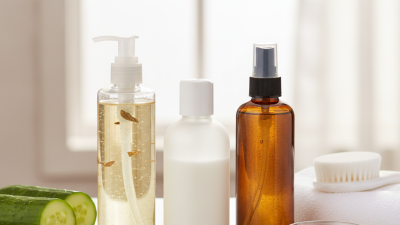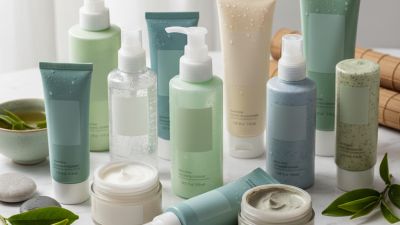
Choosing the best Facial Skin Cleanser begins with a simple question: what does your skin need today?
The global facial cleanser market continues to expand. Grand View Research valued it at approximately USD 14 billion in 2023 and expects steady growth through 2030. Meanwhile, Mintel reports that consumers increasingly prefer gentle formulas with recognizable ingredients and clear benefits. These figures show demand, not a universal answer. Market popularity cannot replace personal skin observation.
“Cleansing should remove dirt, oil, and makeup without disrupting the skin barrier,” explains dermatologist Dr. Joshua Zeichner, Director of Cosmetic and Clinical Research at Mount Sinai Hospital. His point matters at the bathroom sink. A cleanser that leaves your cheeks tight may be too aggressive. A creamy, fragrance-free formula may suit dry or sensitive skin better. A lightweight gel can feel more comfortable on oily areas.
Still, “all skin types” is an imperfect promise. Combination skin can change between seasons. Acne-prone skin may react to scrubbing, even when the product claims to be clarifying. A product label may sound scientific, yet the formula can remain unsuitable for your face.
This guide compares cleansing textures, surfactants, fragrance, barrier support, and dermatologist-backed evidence. It also considers practical details, including water temperature and washing frequency. The best Facial Skin Cleanser should clean gently, rinse easily, and leave no uncomfortable tightness behind. Your skin’s response remains the most honest review.
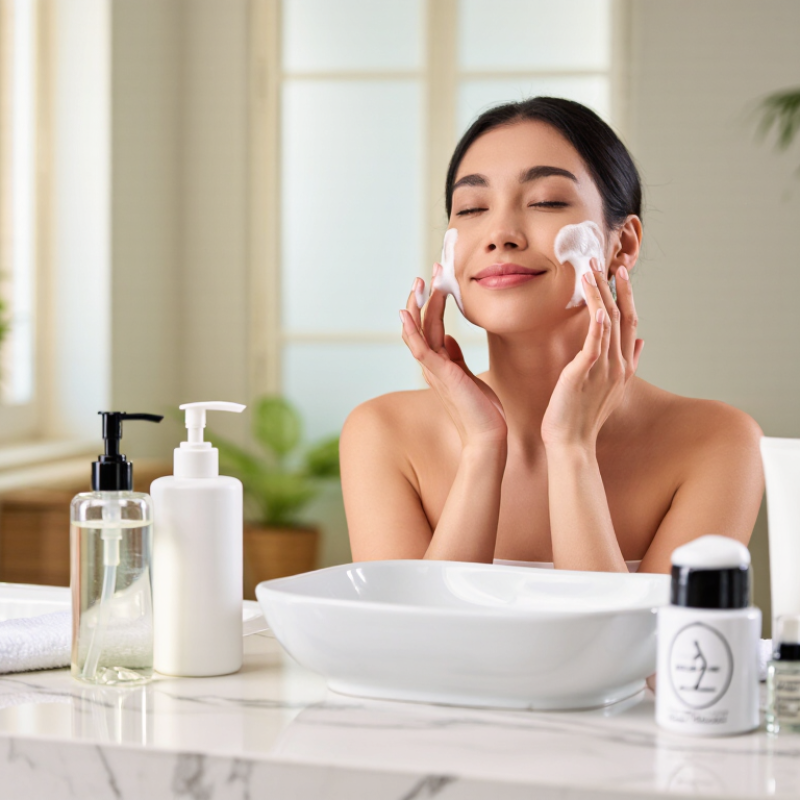
A cleanser suitable for all skin types should remove sweat, sunscreen, and daily grime without leaving the face tight or greasy. The phrase “all skin types” is useful, but imperfect. Skin varies with climate, age, medication, hormones, and stress.
A gentle, fragrance-free formula is usually a safer starting point. It should rinse clean with lukewarm water and avoid a harsh, squeaky feeling. Mild cleansing agents can lift oil while preserving the skin’s protective barrier. Cream or lotion textures may comfort dry skin, while a light gel can feel better on oilier areas. However, texture alone does not prove suitability.
Look at your skin after cleansing. Does it sting, flush, itch, or feel stretched within five minutes? That feedback matters. People with sensitive or reactive skin should test a small area before regular use. Wash for about 20 to 30 seconds, then pat dry with a clean towel. Avoid scrubbing, especially around the nose and cheeks.
A cleanser cannot solve every skin concern. Acne-prone skin may need separate, evidence-based treatment. Very dry skin may require a richer moisturizer afterward. I have found that using less product often works better than chasing a dramatic foaming effect. Still, personal results differ, and even a gentle formula may not suit everyone perfectly.

The best facial cleanser is not one universal product. It is the formula that removes sunscreen, oil, and daily buildup without leaving your skin tight. Texture matters. A lightweight gel often suits oily or combination skin, especially when the T-zone feels shiny by midday. Choose gentle foaming agents, but avoid formulas that leave a squeaky finish. That sensation can signal excessive cleansing.
Cream and lotion cleansers can help dry, sensitive, or mature skin. They usually contain more emollient ingredients and create less friction during washing. Apply them to damp skin with clean fingertips, then rinse with lukewarm water. Very hot water can worsen dryness and redness. My own routine was not perfect; I once cleansed too often after exercise and caused uncomfortable tightness. Less was better.
Normal skin can use a gel, cream, or low-foam cleanser, depending on climate and seasonal changes. Micellar formulas may work well for quick morning cleansing, but they should not replace thorough evening washing after makeup or water-resistant sunscreen. Fragrance-free options are often safer for reactive skin, although “natural” does not always mean gentle. Check the ingredient list and patch-test new products near the jawline. Persistent burning, swelling, or scaling deserves advice from a qualified dermatologist. A cleanser should leave the face comfortable, not polished or stripped.
The best cleanser removes sunscreen, sweat, and surface oil without creating tightness. In a practical bathroom test, skin should feel clean, not squeaky. Mild surfactants, including amino-acid or glucoside-based cleansers, may reduce that stripped feeling. However, ingredient names do not guarantee comfort. Lukewarm water and brief contact can matter just as much as the formula.
Hydration depends on what remains after rinsing. Glycerin and panthenol help attract water, while ceramides and fatty components support the skin barrier. Fragrance-free options may suit sensitive skin, although individual reactions vary. Oily skin still needs barrier support. Over-cleansing can worsen dryness and make oiliness feel more noticeable. It is an easy mistake to confuse foam with effectiveness.
For comfort, check your skin ten minutes after cleansing. Burning, redness, or persistent tightness suggests a poor match. Patch-test along the jawline for several days. A cleanser cannot correct every skin concern. It mainly prepares the surface for the next step. Simple formulas often work well, but “simple” is not automatically better. Seasonal dryness, hard water, shaving, and medication can change your response. If irritation continues, consult a qualified dermatologist.
What Is the Best Facial Skin Cleanser for All Skin Types?
The best facial cleanser depends on your skin’s current condition, not just its label. Testing it safely before regular use can prevent an uncomfortable surprise. I apply a small amount to clean, dry skin behind my ear or on my inner forearm. The area should remain undisturbed for 24 to 48 hours. Avoid testing after shaving, sun exposure, or vigorous exercise.
Watch for redness, itching, swelling, burning, or tiny bumps. A mild, brief tingling feeling is not always harmless. If discomfort develops, rinse with lukewarm water and stop using the cleanser. A dermatologist may recommend medical care when swelling, blistering, or persistent irritation appears. Never test a new product near the eyes or on damaged skin.
This method is cautious, not perfect. Skin can react differently on the face, especially around the nose and mouth. I once treated a forearm test as proof of safety, which was too confident. After a clear patch test, use the cleanser on one small facial area first. Keep the routine simple for several days. Do not introduce multiple new products at once. Choose a gentle formula without a strong fragrance when your skin feels dry, tight, or reactive. Some trial and error remains unavoidable.
| Evaluation Dimension | What to Look For | Suitable Standard for Most Skin Types | How to Test Safely | Warning Signs |
|---|---|---|---|---|
| Cleanser Type | Whether the product is a rinse-off gel, cream, lotion, foam, balm, or oil cleanser. | A gentle, fragrance-free gel, lotion, or cream cleanser is generally the easiest starting point for combination, normal, dry, and sensitive skin. | Choose a small area of skin and use the product according to its directions before applying it to the entire face. | A strong tingling sensation, persistent burning, or immediate redness may indicate irritation. |
| Fragrance and Essential Oils | Added parfum, fragrance compounds, or concentrated essential oils. | Fragrance-free formulas are usually a lower-risk choice for sensitive or eczema-prone skin. | Check the ingredient list and patch test before regular use, especially if the skin has reacted to fragranced products before. | Itching, swelling, hives, or worsening redness may indicate contact sensitivity. |
| Surfactant Mildness | The cleansing agents that remove oil, sunscreen, makeup, and debris. | A cleanser that removes surface residue without leaving tightness, flaking, or a squeaky feeling is preferable. | After rinsing, observe the skin for at least 10–15 minutes without immediately applying other products. | Tightness, stinging, roughness, or increased dryness can suggest over-cleansing or a formula that is too strong. |
| Skin Type Compatibility | How the cleanser performs on dry, oily, combination, normal, or sensitive skin. | The best general option balances cleansing with comfort rather than leaving the skin extremely matte or heavily coated. | Test on the jawline or behind the ear first, then use on one side of the face for several days if no reaction occurs. | Persistent dryness, increased oiliness, new bumps, or repeated irritation suggests poor compatibility. |
| Post-Wash Comfort | The skin’s condition immediately after rinsing and drying. | Skin should feel clean, comfortable, and flexible, without a tight or greasy film. | Pat dry with a clean towel and check the skin immediately and again after 30 minutes. | A tight or burning sensation that lasts more than a few minutes is a reason to stop and reassess. |
| Patch-Test Location | Where a small amount of cleanser is applied before facial use. | The inner forearm, behind the ear, or along the jawline can be used for preliminary testing. | Apply a small amount to clean skin, rinse if it is a wash-off product, and observe for delayed irritation over 24–48 hours. | Do not continue if swelling, blistering, hives, severe itching, or significant redness develops. |
| Frequency of Use | How often the cleanser is used during the introduction period. | Start once daily or every other day if the skin is dry or sensitive; increase only if the skin remains comfortable. | Introduce one new facial product at a time so any reaction is easier to identify. | Using a new cleanser multiple times daily may make irritation harder to distinguish from over-cleansing. |
| Water Temperature | The temperature of the water used to rinse the face. | Lukewarm water is generally more comfortable and less drying than very hot water. | Rinse thoroughly without scrubbing or using abrasive tools. | Very hot water, vigorous rubbing, or rough cloths can aggravate dryness and sensitivity. |
| Exfoliating Ingredients | Ingredients such as alpha hydroxy acids, beta hydroxy acids, or exfoliating particles. | For a first cleanser intended for broad skin-type use, a non-exfoliating formula is usually the simplest option. | If an exfoliating cleanser is chosen, test it less frequently and avoid introducing other exfoliating products at the same time. | Peeling, burning, pronounced redness, or increased sensitivity indicates that use should be reduced or stopped. |
| Barrier Support | Whether the cleansing routine preserves the skin barrier and reduces unnecessary moisture loss. | A mild cleanser followed by a suitable moisturizer can help limit the dryness associated with washing. | After cleansing, apply a simple moisturizer if needed and monitor comfort over the next several hours. | Repeated flaking, cracking, rough patches, or stinging from normally mild products may indicate barrier disruption. |
| Makeup and Sunscreen Removal | How effectively the cleanser removes daily surface products. | The cleanser should remove ordinary residue without requiring aggressive rubbing; heavier products may need a separate first step. | Check the hairline, nose, and jawline after rinsing, while avoiding repeated washing to achieve complete removal. | Scrubbing repeatedly can cause irritation even when the cleanser itself is mild. |
| When to Stop | Symptoms that require discontinuing the product. | Stop use when a reaction is persistent, worsening, or clearly linked to the cleanser. | Rinse the product off, avoid reapplying it, and seek medical advice for severe or persistent symptoms. | Facial swelling, breathing difficulty, widespread hives, blistering, or severe pain requires prompt medical attention. |
What Is the Best Facial Skin Cleanser for All Skin Types?
Using and Reassessing the Cleanser in a Daily Skincare Routine
A good cleanser should remove sweat, sunscreen, and daily dust without leaving your face tight. Creamy, fragrance-free formulas often suit sensitive or dry skin. Gel textures may feel better on oily skin, especially after exercise. However, skin needs can change with weather, stress, medication, and age. I have noticed that a cleanser that worked in winter sometimes feels too heavy in humid weather. That was easy to miss.
Use lukewarm water and massage gently for about thirty seconds. Hot water can worsen dryness, while aggressive rubbing may increase irritation. Cleanse at night, then reassess your skin after several days. Morning cleansing depends on your needs. Some people need only water, while others wake with noticeable oil. A dermatologist can help when persistent redness, burning, or breakouts continue.
Tips: Check your skin ten minutes after washing. Tightness suggests the formula may be too drying. A slippery film may indicate poor rinsing or excessive richness. Reduce cleansing frequency after a dry, uncomfortable week. Do not change several products at once. That makes reactions difficult to identify. Reassessment is not failure; it is part of building a routine that matches your skin today.