Choosing a global Lip Lotion manufacturer requires more than comparing glossy catalogs and attractive prices. Buyers need evidence that a supplier can deliver consistent texture, safe ingredients, reliable documentation, and stable production. A lotion that feels smooth in Shanghai may separate during transport to Dubai or freeze during storage in Northern Europe. Small details matter.
Cosmetic chemist Perry Romanowski has stated, “A cosmetic product must be safe, stable, and effective for its intended use.” That principle guides this selection of the 10 Best Lip Lotion Manufacturers for Global Buyers. Each manufacturer should be examined through practical questions: Can it provide ingredient specifications, microbiological testing, stability data, and batch traceability? Does it support private labeling, low minimum order quantities, and flexible packaging? More importantly, does its formula suit real consumer needs, such as dryness, fragrance sensitivity, or frequent daily use?
The review also considers manufacturing experience, quality systems, export capability, and communication speed. A responsive sales team is useful, but technical transparency matters more. Ask for samples. Test the applicator. Leave the product in a warm warehouse and inspect it later. It may reveal problems that a brochure hides.
No ranking can fit every buyer perfectly. A premium brand may prefer custom formulas, while a new retailer may need smaller batches and controlled costs. Some suppliers look excellent on paper but provide limited after-sales support. That weakness deserves attention. This guide offers a practical starting point, not a final verdict. Always verify current certifications, claims, lead times, and regulatory documents before signing a purchase agreement.
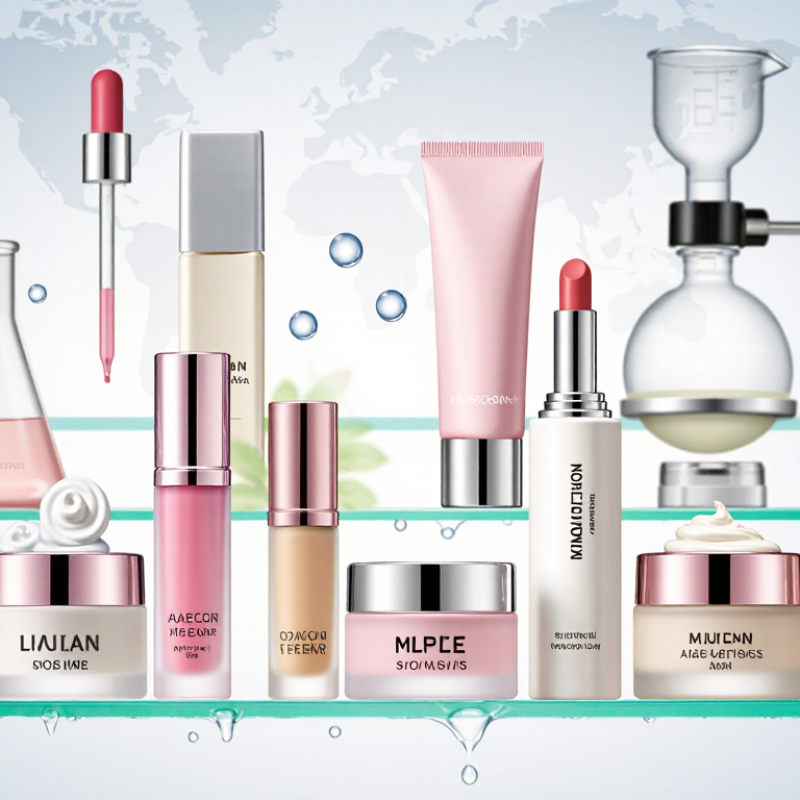
Lip lotion is a lightweight lip-care formula designed to soften, moisturize, and protect dry lips. It commonly combines humectants, emollients, and occlusive ingredients. The texture should spread smoothly without leaving a heavy waxy film. Small details matter, such as a clean nozzle, leak-resistant cap, and comfortable application.
Market evidence explains the growing attention. Grand View Research projects the global lip-care products market to expand at a 5.2% compound annual growth rate from 2023 to 2030. McKinsey also expects the broader beauty market to approach $590 billion by 2028. These figures do not guarantee success for every lip lotion. That assumption can fail. Product performance still depends on formula stability, packaging compatibility, and consumer testing.
Manufacturer selection matters because global buyers need more than an attractive sample. Experienced facilities should provide batch records, ingredient specifications, stability data, and microbial test results. They should also operate with documented cosmetic good manufacturing practices, such as those described in ISO 22716. Buyers should examine how the lotion performs after heat exposure, repeated opening, and extended storage. A formula that feels elegant in a showroom may separate inside a warm shipping container. Claims about hydration or protection also need reliable evidence and market-appropriate review. During supplier audits, I would inspect filling accuracy, cleaning procedures, traceability, and complaint handling. I would not rely only on certificates. Real production evidence is more revealing.

Selecting a lip lotion manufacturer for global distribution requires more than comparing unit prices. Ask for current GMP certification, ingredient specifications, batch records, and independent microbiological test results. A credible supplier should explain its filling, sealing, and cleaning controls in plain language. Request samples from different production lots. One perfect sample proves little.
Evaluate formula stability under heat, cold, and repeated opening. A lotion may look smooth at 25°C, then separate inside a hot shipping container. Request accelerated stability data, preservative challenge results, and packaging compatibility reports. Check whether the tube, cap, and label tolerate humidity and long transport. Small details matter. Also review the INCI list and product claims for each destination market. Rules differ across regions, and translation errors can create costly relabeling.
Before signing, audit the manufacturer’s traceability system. Can it identify raw-material lots, operators, test results, and shipment records within hours? Confirm minimum order quantities, lead times, change-control procedures, and recall communication. A practical video audit can reveal crowded storage areas or unclear quarantine labels. However, remote checks are limited. I would not treat polished documents as proof of consistent performance. Run a controlled pilot order, inspect every carton, and compare delivered results with agreed specifications. A supplier that welcomes corrective feedback is usually easier to manage over time.
| No. | Evaluation Dimension | What a Strong Manufacturer Should Demonstrate | Evidence Global Buyers Should Request | Suggested Weight | Distribution Relevance |
|---|---|---|---|---|---|
| 1 | Cosmetic Manufacturing Compliance | Operates under documented cosmetic quality procedures and follows applicable regulations in the manufacturing market and destination countries. | Manufacturing license, quality manual, regulatory registration details, audit reports, and corrective-action records. | 15% | Reduces customs, regulatory, and market-entry risk. |
| 2 | Product Safety and Testing | Uses controlled formulas and conducts appropriate microbiological, stability, compatibility, and safety testing for lip-care products. | Recent test reports, stability data, microbial specifications, raw-material safety documents, and packaging compatibility results. | 15% | Supports safe sales across different climates and regulatory regions. |
| 3 | Formula Development Capability | Can develop or adjust moisturizing, barrier-supporting, fragrance-free, tinted, vegan, or other lip lotion formulations according to market requirements. | Technical data sheets, sample-development process, ingredient options, formulation ownership terms, and revision history. | 12% | Enables localized products and differentiated private-label ranges. |
| 4 | Ingredient Traceability | Maintains supplier qualification, batch records, allergen information, and traceability from incoming materials to finished goods. | Ingredient lists, certificates of analysis, supplier declarations, batch-traceability samples, and recall procedures. | 10% | Improves recall readiness and retailer compliance. |
| 5 | Production Capacity and Scalability | Has sufficient filling, assembly, and quality-control capacity to move from pilot quantities to recurring commercial orders. | Monthly capacity ranges, production lead times, equipment list, utilization plan, and capacity-allocation policy. | 10% | Helps prevent stockouts during international launches. |
| 6 | Packaging and Customization | Provides suitable tubes, jars, sticks, applicators, labels, cartons, and decoration options that protect the formula during transport. | Packaging specifications, material declarations, artwork guidelines, compatibility testing, minimum order quantities, and sample approvals. | 10% | Supports retail presentation and country-specific labeling. |
| 7 | Quality Control and Batch Consistency | Uses written specifications for appearance, odor, texture, fill weight, viscosity, packaging function, and release approval. | Quality-control checklist, sample batch records, retention-sample policy, deviation reports, and finished-product certificates of analysis. | 10% | Maintains consistent consumer experience across repeat shipments. |
| 8 | Export Documentation and Logistics | Can prepare accurate commercial invoices, packing lists, product specifications, shipping documents, and other export paperwork. | Sample export documents, Incoterm options, carton dimensions, palletization details, HS-code support, and logistics contacts. | 8% | Reduces delays, documentation errors, and landed-cost uncertainty. |
| 9 | Minimum Order Quantity and Commercial Terms | Offers transparent minimum order quantities, payment terms, sample policies, tooling charges, pricing validity, and reorder conditions. | Formal quotation, cost breakdown, sample invoice, payment schedule, lead-time commitment, and change-control terms. | 5% | Helps buyers manage cash flow and test new markets. |
| 10 | Communication and After-Sales Support | Provides clear technical communication, project updates, complaint handling, corrective actions, and support across time zones. | Response-time standards, project timeline, escalation procedure, complaint form, warranty terms, and referenceable quality records. | 5% | Improves continuity when products are sold through multiple markets. |
| Total Evaluation Weight | 100% | Use verified evidence before selection. | |||
Scoring method: Rate each dimension from 1 to 5, multiply the score by the suggested weight, and compare only manufacturers that provide verifiable documentation and production samples.
The leading ten lip lotion manufacturers serve global buyers through more than basic filling and packaging. Their strongest capability is formulation control. Experienced technical teams balance oils, waxes, humectants, and flavor systems for smooth application and lasting comfort. They also test texture changes under heat, cold, and repeated opening. Small differences matter.
Reliable manufacturers usually operate with documented quality systems and controlled production rooms. They verify raw materials, monitor batch consistency, and retain samples for later review. Independent laboratory testing may assess microbiological safety, stability, heavy metals, and packaging compatibility. Documentation should include ingredient specifications, certificates of analysis, production records, and export support. Clear evidence is more useful than attractive claims.
Global buyers also need flexible development services. Leading suppliers can adjust fragrance, color, finish, packaging size, and labeling files for different markets. They may support pilot batches before larger orders, although minimum quantities and development fees vary widely. Supply-chain planning covers component sourcing, lead times, carton protection, and shipment scheduling. Sustainable packaging options are increasingly available, but recycled content can affect appearance, cost, and barrier performance. That trade-off deserves honest testing.
Not every supplier performs equally. A polished sample can hide weak scale-up controls. Buyers should compare factory audits, stability data, response speed, and corrective-action records. Ask difficult questions early. That is where reliability becomes visible.
10 Best Lip Lotion Manufacturers for Global Buyers?
International buyers should judge lip lotion manufacturers through documented compliance, not glossy samples. Under the U.S. Modernization of Cosmetics Regulation Act, facilities must register, renew every two years, and list marketed products. Ask for registration evidence, ingredient specifications, batch records, and adverse-event procedures. ISO 22716 offers recognized good manufacturing practice guidance for cosmetic production, including hygiene, testing, storage, and traceability.
Quality becomes visible in small details. Request stability data for heat, cold, light, and repeated opening. A tube that separates at 40°C may fail during a tropical shipment. Check microbial limits, allergen declarations, heavy-metal controls, and packaging compatibility. The European Commission’s Regulation (EC) No 1223/2009 also expects a safety assessment and responsible-person documentation for products sold in the European Union. Requirements vary by market. That is easy to underestimate.
Packaging needs equal scrutiny. UNEP’s 2023 Turning off the Tap report estimates that global plastic pollution could be reduced by 80% by 2040 through reuse, recycling, and material redesign. Buyers can request mono-material tubes, recycled-content evidence, carton dimensions, and drop-test results. Packaging claims still need proof. “Eco” is not enough. I would also inspect factory samples personally, because photographs hide uneven seals, weak caps, and difficult dispensing. One weakness remains common: suppliers may provide impressive certificates, but incomplete batch-level evidence. That gap deserves careful questioning.
This buyer-focused chart summarizes the main compliance areas to verify when evaluating international lip lotion manufacturers. The checklist is based on widely used cosmetic regulations and standards, including EU Cosmetic Regulation 1223/2009, U.S. MoCRA requirements, ISO 22716 Good Manufacturing Practices, INCI labeling conventions, and international packaging and safety expectations.
Higher values indicate a greater number of core verification points for global buyers. Manufacturers should be assessed through documentation, product testing, facility audits, label review, stability data, packaging compatibility, and market-specific regulatory support.
Global buyers comparing lip lotion manufacturers need more than attractive samples. Market scope matters. Grand View Research valued the global lip care products market at about USD 4.5 billion in 2023 and projects steady growth through 2030. However, reports define “lip care” differently. That is easy to overlook.
Start with a supplier scorecard. Check formula ownership, minimum order quantity, production capacity, and documented lead times. Request recent certificates of analysis, stability results, microbiological testing, and packaging compatibility records.
A reliable manufacturer should explain ingredient function clearly. Vague answers deserve a pause. Not every attractive quotation is economical.
Compliance evidence should match each destination market. Ask for a documented quality system, batch traceability, allergen information, and manufacturing records aligned with ISO 22716 principles. Independent factory audits can verify conditions beyond a polished presentation. Euromonitor’s consumer research continues to show strong interest in convenient, multifunctional beauty products, so evaluate texture, application, portability, and claim support together. Samples should be tested after heat, cold, and transport simulation. Real shipments are less forgiving. Buyers should also compare payment terms, corrective-action procedures, and business-continuity plans. A supplier may pass an audit yet struggle with sudden volume changes. That possibility should be discussed openly. Product decisions are never perfectly tidy.