Leave Your Message
Request a Quote

China Top 10 Eye Cream Manufacturers for Global Buyers?

Global buyers assessing China’s Eye Cream manufacturers need more than attractive packaging and competitive quotations. They need evidence of formulation capability, production consistency, and export experience. Demand for skincare provides useful context. Cosmetics Europe’s 2024 Market Performance report puts European skincare retail sales at €27.7 billion in 2023, the largest category in its cosmetics market. That figure is not specific to eye cream, but it signals the commercial weight of skincare. Small details matter.

This overview of China’s top 10 Eye Cream manufacturers is intended as a practical starting point, not a certification or ranking of product quality. Buyers should compare each supplier’s manufacturing scope, quality-management documentation, sample process, and ability to provide stability and safety information. Ask how the formula feels after application, how it performs under makeup, and whether packaging protects the product during transit. A smooth sample is encouraging. It is not proof of long-term consistency.

Professional sourcing also means checking claims carefully. Request documents relevant to the intended market, and confirm that product descriptions can be supported by appropriate evidence. The right partner may be a large factory, or a smaller specialist with clearer communication. There is no single best fit. Supplier profiles can change, and public information may be incomplete; direct verification remains essential before placing an order.
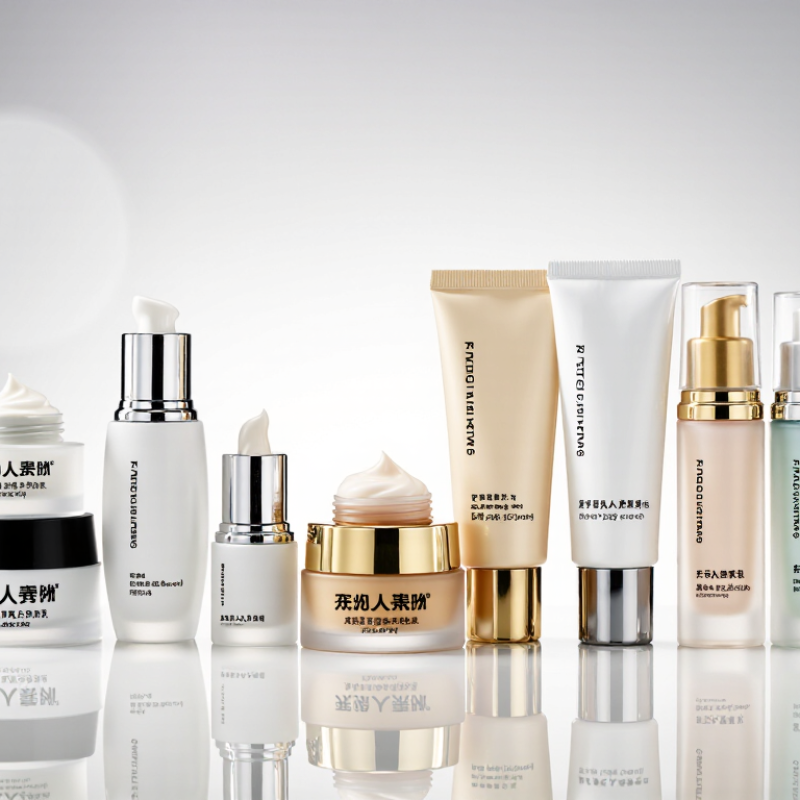
China Top 10 Eye Cream Manufacturers for Global Buyers?

Understanding China’s Eye Cream Manufacturing Industry

China’s eye-cream manufacturing industry sits within a much larger cosmetics sector. The National Bureau of Statistics recorded cosmetics retail sales of 414.2 billion yuan in 2023, up 5.1% year on year. The 2024 figure reached 435.5 billion yuan, up 2.8%. These numbers describe the overall cosmetics market, not eye creams specifically. That distinction matters when buyers assess demand.

Eye creams often use compact, controlled-dose packaging and formulas designed for delicate skin around the eyes. Manufacturing checks may include ingredient weighing, emulsion stability testing, packaging compatibility, and batch traceability. Ask suppliers how they document these steps, and request relevant test records rather than relying on product photos. Small details matter. A neat filling line is useful, but it cannot replace clear quality procedures.

China’s Cosmetics Supervision and Administration Regulation, administered by the National Medical Products Administration, took effect in 2021 and established requirements for cosmetics registration, filing, and safety assessment. For global buyers, factory capability and destination-market requirements should be evaluated separately. Public statistics rarely isolate eye-cream production, so comparisons between suppliers can be imperfect. That gap deserves scrutiny, especially when a supplier’s capacity claims are not supported by product-specific records.
Criteria for Evaluating Manufacturers for Global Buyers

China Top 10 Eye Cream Manufacturers for Global Buyers?

Criteria for Evaluating Manufacturers for Global Buyers

Choosing an eye cream manufacturer takes more than comparing prices or reviewing a product catalogue. Ask how the factory controls ingredient sourcing, production batches, and finished-product inspections. Request current quality documents, ingredient specifications, stability results, and sample batch records. Check that the documents match the product you plan to order. Small details matter.

Evaluate whether the formula and packaging suit your target market. A pump may help limit exposure to air, but it still needs compatibility testing with the formula. Ask how the manufacturer assesses product safety and supports claims; avoid relying on marketing language alone. Requirements differ between markets, so confirm which records and label details your destination requires. A supplier’s export experience can help, but it does not replace your own checks.

Communication is part of quality. Compare response times, minimum order quantities, production lead times, and procedures for handling defects or formula changes. Request samples from a representative production run when possible, then inspect texture, scent, dispensing, and packaging consistency. A tidy sample is not enough. Ask how rejected batches are documented and what happens when a delivery misses agreed specifications. Some buyers overlook follow-up support; I would not. A clear written process is more useful than a confident promise.

China Top 10 Eye Cream Manufacturers for Global Buyers

Suggested criteria for evaluating manufacturers

These suggested weights are a screening framework, not survey results or ratings of specific manufacturers. Verify documentation against each destination market’s requirements—for example, EU cosmetics rules, U.S. MoCRA obligations, and applicable cosmetic GMP guidance.

Profiles of Ten Chinese Eye Cream Manufacturers

A useful review of ten Chinese eye cream manufacturers should compare capabilities, not imply an unverified ranking. The profiles might include a formulation-led producer, a sensitive-skin-focused team, and a botanical-ingredient specialist. Others may concentrate on peptide formulas, lightweight gel-creams, or airless packaging. The remaining profiles could highlight large-scale OEM production, flexible order volumes, export documentation, and quality-control systems. These are distinct buyer considerations, not claims about particular companies. Names alone reveal little.

Tips: Request a sample, ingredient specifications, and recent batch-testing records. Ask how formula changes affect cost and lead time. Check whether packaging protects the formula from repeated exposure to air. Small details matter.

A manufacturer’s profile should explain its process clearly: how it evaluates raw materials, checks fill weights, and handles customer feedback. Ask for evidence rather than relying on polished product photos. A brochure may blur the difference between in-house expertise and outsourced services. That distinction is easy to miss. Compare written specifications, sample consistency, and response times before shortlisting suppliers. Not every factory will suit every project, and a low minimum order may come with fewer customization options. That trade-off deserves a closer look.

Product Development, Quality Control, and Regulatory Compliance

When comparing Chinese eye cream manufacturers, look beyond sample texture and price. Product development should begin with a clear brief: target skin feel, packaging, intended market, and acceptable ingredients. Ask how the formula is tested for stability and whether it remains consistent in its final container. A cream can feel elegant in a jar yet separate or dry around a pump. Details matter.

Quality control should cover incoming materials, in-process checks, and finished batches. Request written specifications for appearance, odor, viscosity, fill weight, and microbiological testing. Ask how the manufacturer records batch numbers and handles a failed result. Do not rely on a polished sample alone. Real production can differ, and that deserves honest discussion.

Regulatory requirements vary by destination market. Confirm that the manufacturer can provide ingredient lists, safety documents, test records, and label information suitable for your review. Claims such as “reduces wrinkles” need careful substantiation; wording is not just a design choice. Tips: Share your target markets early, request current documents, and have qualified local specialists review them. One point to reconsider: faster launch timelines may leave too little room for stability testing.

China Top 10 Eye Cream Manufacturers for Global Buyers? - Product Development, Quality Control, and Regulatory Compliance

Buyer-focused comparison of ten capabilities to verify when sourcing in China. This is an evaluation framework, not a verified ranking of named manufacturers.

No. Capability Area What Buyers Should Check Useful Evidence or Test Why It Matters
1 Eye-area formulation development Experience developing leave-on products for the delicate skin around the eyes, including cream, gel-cream, and fragrance-free options. Review the proposed formula brief, ingredient list, development history, and rationale for the intended eye-area use. Helps align texture, use conditions, and ingredient selection with the product’s intended market and users.
2 Ingredient and claims review Ability to screen ingredients and assess whether proposed cosmetic claims are appropriate for each destination market. Request an ingredient review, claim-substantiation plan, and copies of supporting test summaries for performance claims. Cosmetic claims should be supportable and must not imply drug or medical effects where those are regulated separately.
3 Cosmetic GMP practices Documented controls for personnel hygiene, premises, equipment, production, sanitation, and batch documentation. Review applicable GMP documentation and audit records. ISO 22716 provides guidelines for cosmetic Good Manufacturing Practices. Consistent production controls help reduce contamination and batch-to-batch variation.
4 Raw-material control Supplier qualification, incoming-material checks, traceability, and controls for changes to raw materials. Check specifications, certificates of analysis, supplier records, and lot-traceability procedures for relevant materials. Raw-material quality and traceability are essential to investigate deviations and maintain product consistency.
5 Microbiological quality Risk-based microbiological controls for water, bulk product, finished product, and the manufacturing environment. Review microbiological specifications and test reports; ask whether preservative efficacy testing is appropriate for the formula and packaging. Water-containing creams can support microbial growth if preservation and manufacturing controls are inadequate.
6 Stability and compatibility testing Testing that evaluates product appearance, odor, texture, pH where relevant, and packaging compatibility over time. Request the stability protocol, available results, storage conditions, and packaging compatibility records for the proposed product. Testing helps assess whether the formula and pack remain suitable under defined storage conditions.
7 Finished-product release Defined release specifications, sampling procedures, review of test results, and documented approval before shipment. Ask for a sample batch record and a finished-product certificate of analysis showing the tested parameters and results. Documented release checks help ensure each batch meets agreed specifications before it leaves the facility.
8 EU market documentation Support for the documentation needed by the EU Responsible Person before a cosmetic product is placed on the market. Confirm arrangements for a Cosmetic Product Safety Report and Product Information File. EU requirements are set out in Regulation (EC) No 1223/2009. EU cosmetics require appropriate safety assessment and product documentation; the manufacturer should clarify its role and deliverables.
9 U.S. regulatory readiness Ability to provide product and facility information needed by the responsible parties for U.S. compliance. Discuss MoCRA-related facility registration and product listing responsibilities, safety substantiation, and adverse-event recordkeeping. Applicable exemptions may depend on the business and product. U.S. obligations depend on the product and responsible parties; buyers should verify current requirements for their circumstances.
10 China market and export coordination Clear understanding of the product’s classification, applicable filing or registration pathway, label needs, and export documentation. Request a written market-by-market responsibility matrix. In China, ordinary and special cosmetics follow different NMPA pathways; confirm the applicable route for the product. Classification and destination-market rules affect documentation, labeling, and who must complete regulatory submissions.

How to Source and Partner with a Chinese Eye Cream Manufacturer

Selecting a Chinese eye cream manufacturer requires more than comparing unit prices. McKinsey’s 2023 beauty-market analysis projected global beauty sales could reach about $580 billion by 2027, with roughly 6% annual growth. Cosmetics Europe reported €96 billion in European cosmetics and personal-care retail sales in 2023. These figures signal opportunity, not guaranteed demand for your product. Request the factory’s quality certificates, production records, stability-test results, and packaging compatibility data. Ask who owns the formula and how changes are approved.

Check whether the manufacturer can document ingredient specifications, batch traceability, and microbial testing. ISO 22716 provides guidance for cosmetic good manufacturing practices, but a certificate alone cannot confirm that a particular production line meets your needs. Review a recent audit, inspect the filling area, and compare samples from separate batches. A smooth sample may conceal inconsistent pump output or fragrance drift. Recheck it. Confirm target-market requirements with a qualified regulatory specialist before approving labels or claims; requirements differ across markets.

Tips: Send a written brief with texture, pack size, target cost, and test criteria. Request a pilot batch before placing a large order. Keep approval samples sealed, dated, and linked to batch records. If a supplier resists sharing basic quality documents, pause and ask why.