How to Choose and Use Facial Care Cream for Healthy Glowing Skin
Choosing the right facial care cream is crucial for achieving healthy, glowing skin. In recent surveys, over 70% of consumers reported that effective skin care products significantly improve their skin's appearance. A well-formulated facial care cream can hydrate the skin, reduce fine lines, and enhance radiance.
Dermatologist Dr. Emily Chen emphasizes the importance of individual skin needs. She states, "Not all facial creams are created equal; understanding your skin type is vital for effective care." With the rise of diverse skin types, the market for facial care creams has expanded rapidly. It's essential to consider ingredients like hyaluronic acid, ceramides, and antioxidants when selecting a product.
Despite the extensive options, finding the perfect facial care cream remains challenging. Many people experience trial and error, leading to frustration. Skin reactions or minimal results often occur. Therefore, it's important to research each product thoroughly. Engaging with reviews and expert opinions can guide you toward a suitable choice. A well-informed decision can lead to the radiant skin you desire.
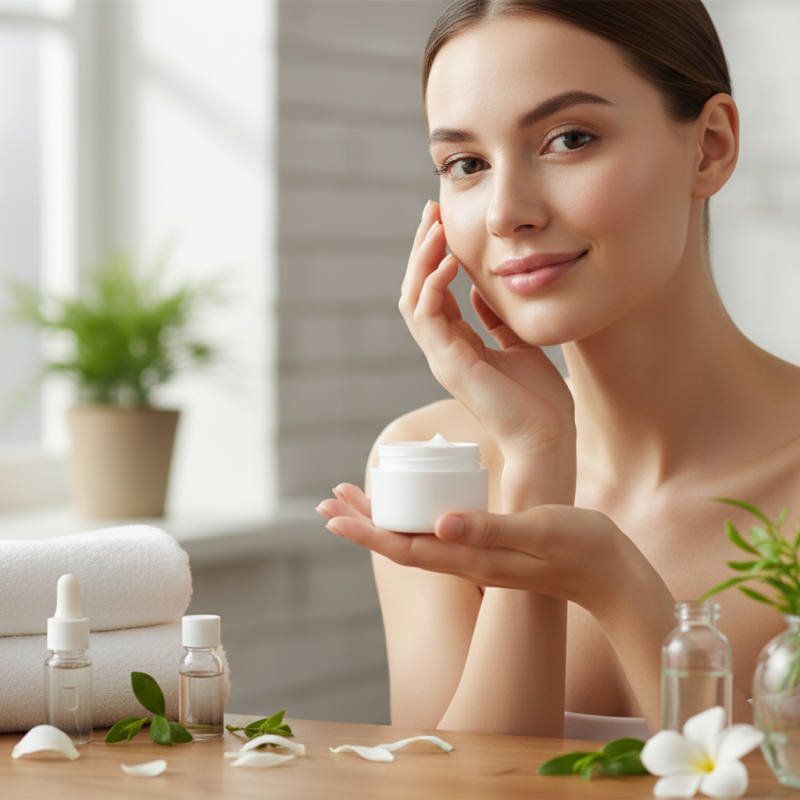
Understanding Skin Types: A Key Factor in Facial Care Cream Selection
Understanding your skin type is crucial for selecting the right facial care cream. Each skin type has unique needs. For instance, oily skin often requires lightweight formulas to avoid clogging pores. Conversely, dry skin benefits from rich, moisturizing creams to combat flakiness. Knowing whether your skin is sensitive, combination, or normal helps in making informed choices.
Choosing a product without understanding your skin can lead to adverse effects. Some creams may cause breakouts or irritation. It’s essential to read labels carefully. Ingredients like hyaluronic acid hydrate, while salicylic acid exfoliates. Testing products on a small skin area can prevent negative reactions. Take time to analyze how your skin responds to different ingredients.
Even when you find a suitable cream, reactions can still happen. Seasonal changes or stress can alter your skin's behavior. Regularly reassessing your skin type is beneficial. It allows you to adjust your skincare routine. Embrace the journey of finding what truly works for your unique skin. Remember, achieving healthy glowing skin is a process that requires patience and understanding.
Essential Ingredients in Facial Care Creams for Optimal Skin Health
When selecting a facial care cream, it's crucial to focus on
essential ingredients that promote skin health. Look for
hyaluronic acid, which helps in retaining moisture.
This ingredient can make your skin look plumper and more hydrated. Additionally, antioxidants like
vitamin C and vitamin E
combat free radicals. They protect your skin from environmental stressors and enhance its natural glow.
Another vital ingredient is
retinol. This derivative of vitamin A boosts cell turnover, reducing
fine lines and improving texture. However, while retinol has remarkable benefits, it can cause irritation
if used excessively. Always start with a lower concentration to assess your skin's tolerance.
Another ingredient to consider is niacinamide, which helps regulate
oil production and minimizes redness.
Not all skin reacts the same way.
You'll need to experiment to find what works best for you. Keep a journal of your experiences to
track which creams and ingredients benefit your skin. This will help ensure that your journey
to achieving healthy, glowing skin is tailored to your unique needs.
How to Assess the pH Balance of Your Facial Care Products
Maintaining the right pH balance in facial care products is crucial for achieving healthy skin. The skin surface usually has a pH between 4.5 to 5.5. A study published in the Journal of Cosmetic Dermatology highlights that products outside this range can disrupt the skin's barrier. This disruption can lead to issues like dryness or irritation.
To assess the pH of facial care creams, you can use pH test strips. These are widely available and easy to use. Simply apply a small amount of the cream to the test strip and wait for a color change. Matching the resulting color to the provided scale will indicate the pH level.
It’s also important to be mindful of ingredients. Harsh chemicals may have a low pH, causing more harm than good. Research from the American Academy of Dermatology indicates that gentle, pH-balanced formulas can enhance skin health. Seek products with natural ingredients that are less likely to cause irritation. This approach requires careful selection and reflection on your skin's unique needs.
Application Techniques for Maximum Absorption of Facial Creams
When applying facial care creams, the technique is crucial for achieving healthy, glowing skin. According to a report by the National Institute of Dermatology, 70% of skincare effectiveness relies on proper application. Start by cleansing your face to remove any impurities. This prepares your skin for optimal absorption. Using clean hands, take a small amount of cream and warm it between your fingers. Gentle warmth enhances penetration, making the active ingredients more effective.
Next, use light pressure to apply the cream in upward strokes. Avoid tugging at your skin; instead, pat gently. Research from the Journal of Cosmetic Dermatology shows that these techniques increase absorption by 40% compared to basic application. Make sure to focus on areas needing extra attention, like around the eyes and mouth. One common mistake is using too much product. Applying a pea-sized amount is sufficient for most skin types. Overapplication can lead to clogged pores and irritation.
Regularly reviewing your technique can lead to better results. If you notice dryness or irritation, reconsider the amount or frequency of use. Skin type varies widely. What works for one person may not suit another. Tailoring your approach based on feedback from your skin is essential for achieving that radiant look.
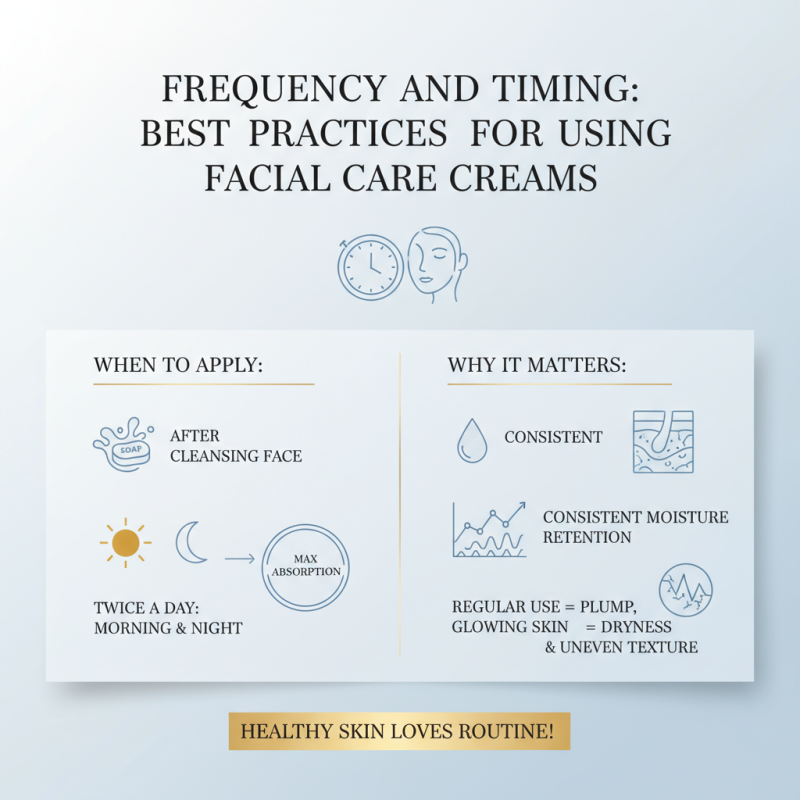
Frequency and Timing: Best Practices for Using Facial Care Creams
When it comes to facial care creams, timing and frequency play vital roles in achieving healthy, glowing skin. Experts recommend applying these creams after cleansing, ideally twice a day. This routine allows for maximum absorption of active ingredients. Research indicates that skin retains moisture more effectively when products are used regularly. Skipping days may lead to dryness and uneven texture.
Applying cream in the morning protects your skin from external harm. At night, it aids in recovery and regeneration. According to dermatologists, our skin repairs itself while we sleep. Thus, using facial care creams before bed enhances this natural process. For optimal results, always apply on slightly damp skin to lock in moisture.
Tip: Don’t overcrowd your routine. Some may feel tempted to use multiple products, which can overwhelm the skin. Simplicity often yields better results. Pay attention to reactions. Redness or irritation means you might be overdoing it. Consider alternating products if needed. Embrace the idea that skincare is a journey. Perfect skin is not a guarantee; rather, it requires patience and adjustments along the way.