How to Choose the Best Face Masks for Your Skin Type?
When selecting the best face masks for your skin type, expertise is crucial. Renowned dermatologist Dr. Emily Johnson states, "The right face mask can transform your skin, but it must align with your unique needs." Face masks can hydrate, exfoliate, or detoxify. Understanding your skin’s requirements is the key to unlocking their full potential.
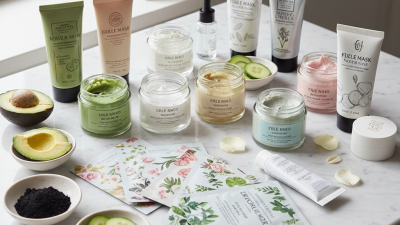
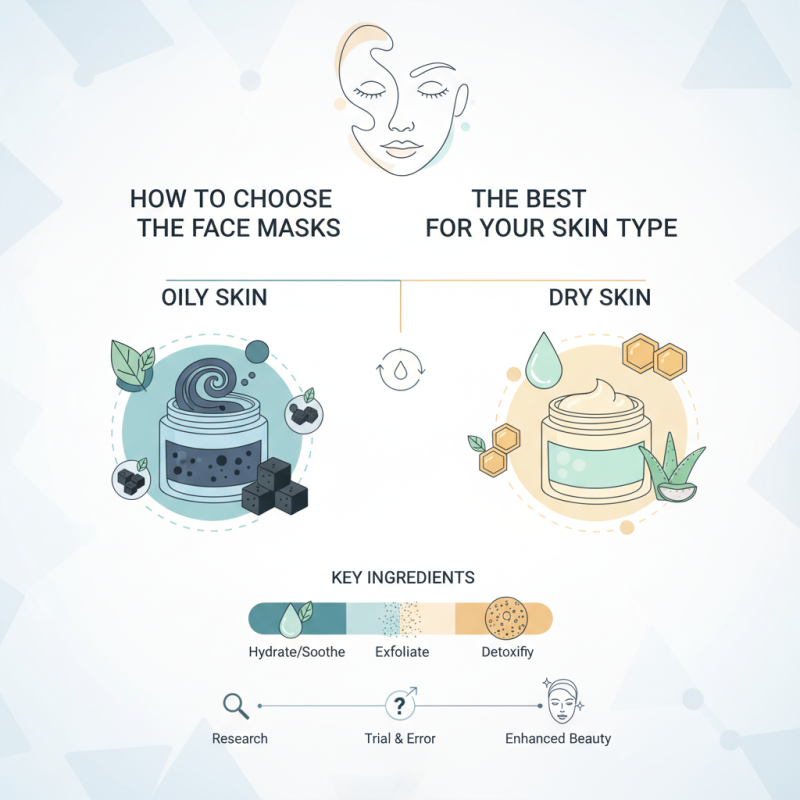
Different skin types react uniquely to various ingredients. For instance, oily skin might benefit from clay masks, while dry skin often thrives with creamier options. Ingredients play a vital role. Natural elements like honey and aloe vera can soothe, while acids and charcoal tackle blemishes. An ideal mask addresses current concerns without causing irritation.
Choosing a face mask is not always straightforward. Many people experiment until they find a match, leading to trial and error. This journey requires patience and persistence. Reflecting on past choices can help identify what truly works. Ultimately, the goal is to enhance your skin's natural beauty through informed decisions regarding face masks.
Understanding Different Skin Types and Their Needs
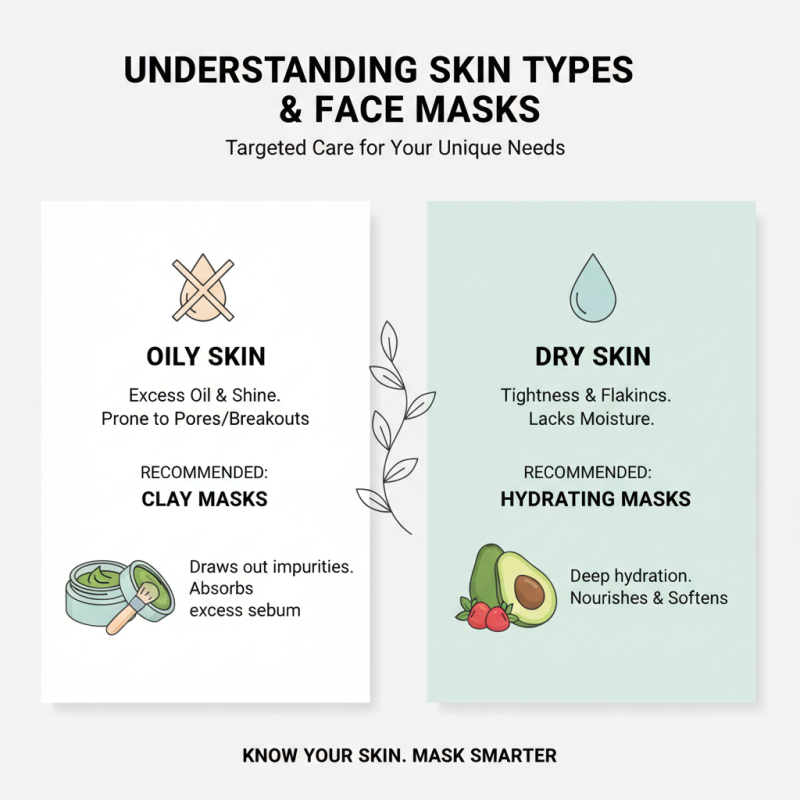
Understanding your skin type is crucial for choosing the right face mask. Each skin type has unique needs. Oily skin may benefit from clay masks that draw out excess oil. Dry skin, on the other hand, typically demands hydrating masks filled with nourishing ingredients. Recognizing these differences will help target specific concerns effectively.
For combination skin, it can feel tricky. A mask that balances oil and hydration is key. Look for ingredients that suit both skin types. Sensitive skin needs gentle formulas, often free from harsh chemicals. Experimenting with different masks may reveal unexpected reactions. Observing your skin's response is essential. Everyone's skin evolves with time and external factors, making adjustments necessary.
Common Ingredients in Face Masks and Their Benefits
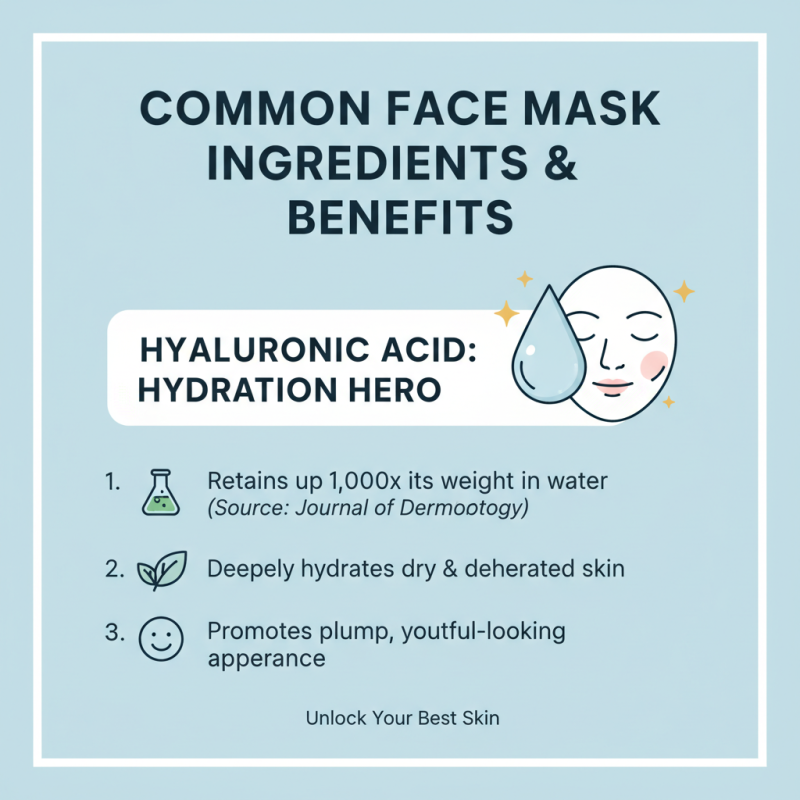
When selecting face masks, understanding common ingredients is crucial for effectiveness. Many masks contain hyaluronic acid, known for its hydrating properties. According to a study published by the Journal of Dermatology, hyaluronic acid can retain up to 1,000 times its weight in water. This makes it excellent for dry or dehydrated skin types. Its ability to lock in moisture helps to create a plump and youthful appearance.
Clay masks often include ingredients like kaolin and bentonite. These clays are praised for their oil-absorbing qualities. A survey from the American Academy of Dermatology indicated that clay masks can reduce excess sebum production by up to 30% in oily skin types. However, overusing these masks can lead to dryness or irritation, necessitating a careful approach to application frequency.
Another popular ingredient is aloe vera, revered for its soothing and anti-inflammatory effects. A clinical trial showed that aloe can improve skin hydration and elasticity substantially. While it benefits most skin types, some individuals may experience sensitivity. Always patch-test new products to avoid undesirable reactions. Understanding these ingredients allows for informed choices that cater to individual skin needs, promoting a healthier complexion overall.
How to Select Masks Based on Skin Concerns
Choosing face masks tailored to your skin concerns is essential for effective skincare. If you have dry skin, look for masks with hydrating ingredients like hyaluronic acid or glycerin. These ingredients help lock in moisture and restore your skin's barrier. Clay masks, on the other hand, can be beneficial for oily skin. They absorb excess oil and unclog pores.
For sensitive skin, opt for soothing masks containing aloe vera or chamomile. Avoid harsh chemicals that may trigger irritation. If acne is your primary concern, masks with salicylic acid or tea tree oil can help manage breakouts. Remember, not every mask works for everyone. Patch testing is essential to see how your skin reacts.
Reflecting on your skin’s needs regularly can lead to better choices. Your skin may fluctuate based on seasons and stress levels. This variability requires routine adjustments to your mask selection. Tracking these changes can help you find the right balance for your unique skin type. Be mindful that what works today might not work tomorrow. Stay observative and flexible in your approach.
How to Choose the Best Face Masks for Your Skin Type?
| Skin Type |
Mask Type |
Key Ingredients |
Skin Concerns Addressed |
| Oily |
Clay Mask |
Kaolin, Charcoal |
Excess Oil, Pores |
| Dry |
Hydrating Sheet Mask |
Hyaluronic Acid, Aloe Vera |
Dehydration, Flakiness |
| Combination |
Charcoal Peel-off Mask |
Charcoal, Witch Hazel |
Clogged Pores, T-zone Oiliness |
| Sensitive |
Calming Gel Mask |
Cucumber, Chamomile |
Redness, Irritation |
| Aging |
Anti-Aging Sheet Mask |
Retinol, Peptides |
Fine Lines, Elasticity |
Application Techniques for Maximum Effectiveness
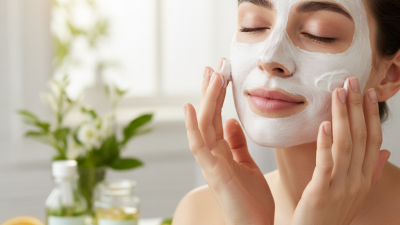
When applying face masks, the technique is as important as the product itself. To enhance penetration, cleansing the skin thoroughly before application is crucial. A study by the American Academy of Dermatology highlighted that 80% of participants experienced better results from masks when applied to clean skin. Gently steaming the face beforehand can further open pores, allowing deeper absorption.
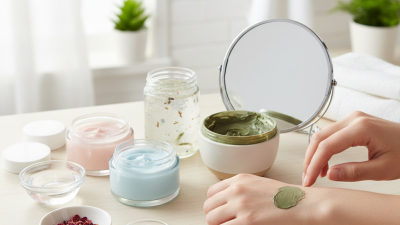
Distribution is equally important. Using clean fingers or a spatula ensures hygiene. Apply a thin, even layer, avoiding the eye area for safety. Research indicates that over-application can lead to irritation. Take your time, and don’t rush this step; quality matters more than quantity. Allow the mask to sit for the recommended time, as this maximizes the active ingredients' benefits.
Rinsing properly afterwards is vital. Warm water helps in removing residues without stripping moisture. The way you remove the mask can impact your skin's health. A study showed that 70% of users felt softer skin when rinsed gently with a soft cloth. Always follow up with a moisturizer to lock in hydration, addressing that crucial post-mask dryness some users report. Reflecting on these methods can lead to improved results tailored to individual skin needs.
Safety Tips and Patch Testing for Face Masks
When selecting face masks, patch testing is crucial. Many people experience skin sensitivities. A report by the American Academy of Dermatology states that nearly 80% of those with sensitive skin encounter reactions. Patch testing helps identify potential irritants. Apply a small amount of the product to a discreet area for 24 hours. If no redness or swelling occurs, the mask may be safe for your skin.
Understanding ingredient safety is also vital. Skin irritation can stem from preservatives or fragrances. The Cosmetic Ingredient Review reports that nearly 40% of cosmetic ingredients lack sufficient safety data. Pay attention to products that include common allergens, such as essential oils. Choose fragrance-free or hypoallergenic masks, especially if you have sensitive skin.
Many users neglect these steps and suffer irritations. It's important to reflect on potential risks. For example, even natural ingredients can trigger reactions. Always proceed with caution. Prioritize informed choices to protect your skin. Each step taken increases your confidence in selecting the right face mask for your needs.
Choosing the Best Face Masks for Your Skin Type