Choosing the right Eye Cream can be daunting. With so many options, it's important to understand your skin type and concerns. According to skincare expert Dr. Emily Carter, "The right Eye Cream can make all the difference in your skincare routine."
Many people overlook the importance of specific ingredients. An Eye Cream designed for dry skin will differ significantly from one meant for puffiness or dark circles. Consider your unique needs carefully. Look for formulations that target your specific issues. In the crowded Eye Cream market, personalized choices often lead to the most effective results.
While it can be easy to get lost in marketing jargon, your skin deserves better. Many products promise miraculous results yet fail to deliver. This discrepancy can lead to frustration. Take time to evaluate what your skin truly needs, rather than getting enticed by trends or flashy packaging. Reflecting on these elements can lead to a more satisfying Eye Cream experience.
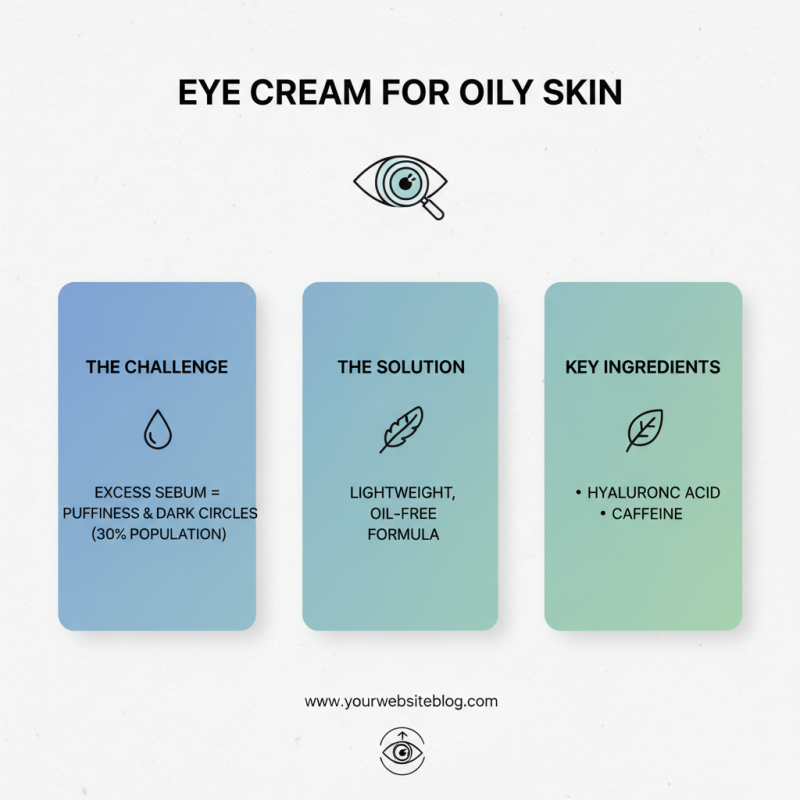
When choosing an eye cream, understanding your skin type is crucial. Oily skin often produces excess sebum, which may lead to puffiness and dark circles. A lightweight, oil-free formula can help in this case. Studies show that about 30% of individuals have oily skin, making oil-free ingredients a priority. Look for creams with hyaluronic acid and caffeine to address these concerns effectively.
Dry skin requires hydration. Look for creams rich in antioxidants and emollients. Ingredients like shea butter and ceramides help restore moisture. Approximately 20% of the population suffers from dry skin. Many ignore signs of dryness, leading to premature aging. If you find your skin feels tight or flaky, reevaluate your current skincare routine.
Combination skin can be tricky. Often, the area around the eyes may be drier than your cheeks. A balanced eye cream that hydrates without clogging pores is ideal. Sensitive skin needs gentle formulations. Avoid fragrances and harsh chemicals. According to recent data, nearly 50% of people report sensitivity. Use patch tests when trying new products, ensuring safety and comfort.
Tips: Always check ingredients carefully. Less is often more. Regularly assess how your skin responds, adjusting products accordingly. Don't hesitate to consult dermatologists for personalized advice.

When it comes to eye care, puffiness, dark circles, and wrinkles are common concerns. Puffiness often results from lack of sleep or allergies. It can leave you looking tired. A light gel formula might be soothing. However, make sure to check for ingredients that target your specific concerns.
Dark circles are another frequent issue. They can arise from genetics, fatigue, or even dehydration. Many people expect instant results, but that’s not always realistic. A cream rich in vitamins can help brighten the area, but don’t expect miracles overnight. Consistency is key here.
Wrinkles may feel inevitable as you age. They can appear from repetitive facial movements or sun exposure. Some products claim to reduce their appearance, but results can vary. Look for creams that contain peptides or hyaluronic acid. These ingredients can support skin elasticity. Remember, it’s important to manage expectations and understand your skin's unique needs. Finding the right product takes time and patience.
| Skin Type | Common Concerns | Recommended Ingredients | Texture |
|---|---|---|---|
| Dry Skin | Dark Circles, Wrinkles | Hyaluronic Acid, Peptides | Creamy |
| Oily Skin | Puffiness, Dark Circles | Glycerin, Caffeine | Gel |
| Sensitive Skin | Puffiness, Wrinkles | Chamomile, Aloe Vera | Lightweight Lotion |
| Combination Skin | Dark Circles, Puffiness | Vitamin C, Retinol | Emulsion |
Choosing the right eye cream can transform your skincare routine. Specific ingredients cater to various skin types and concerns. If you have dry skin, look for creams containing hyaluronic acid. This powerful hydrator attracts moisture and can plump the skin around your eyes. According to a study by Dermatology Times, 70% of users report improved hydration with products featuring this ingredient.
For those combating puffiness, caffeine is a key ingredient to seek out. It constricts blood vessels, reducing swelling and dark circles. Research from the Journal of Cosmetic Dermatology shows that caffeine can visibly decrease the appearance of puffiness after just a few applications.
Sensitive skin types should prioritize calming agents. Ingredients like chamomile and aloe vera can soothe irritation. They work effectively to diminish redness and inflammation. A patch test is advisable before applying any new product, especially for sensitive skin.
Tips: Always read ingredient labels. Sometimes, a product may look promising but may contain irritating preservatives. A simple trial can save you from discomfort. Regular use yields the best results, but expect an adjustment period as your skin adapts. Be patient, and stay observant of how your skin reacts.
Choosing the right eye cream can be overwhelming. There are many formulations on the market. You must consider your skin's specific needs. Before committing, conducting a patch test is essential. This small step can save you from potential irritation.
Apply a small amount of cream to your wrist or behind your ear. Wait 24 to 48 hours. Check for redness or irritation. If all is well, you’re likely safe to use it on your under-eye area. It's a good habit to test new products, especially if your skin is sensitive.
Understanding your skin type also matters. If you have dry skin, look for a cream with hydrating ingredients. For puffy eyes, seek brightening formulas. Be mindful; not all products will work for everyone. You might need to try a few before finding the perfect match. Embrace the journey and learn from any mishaps along the way.
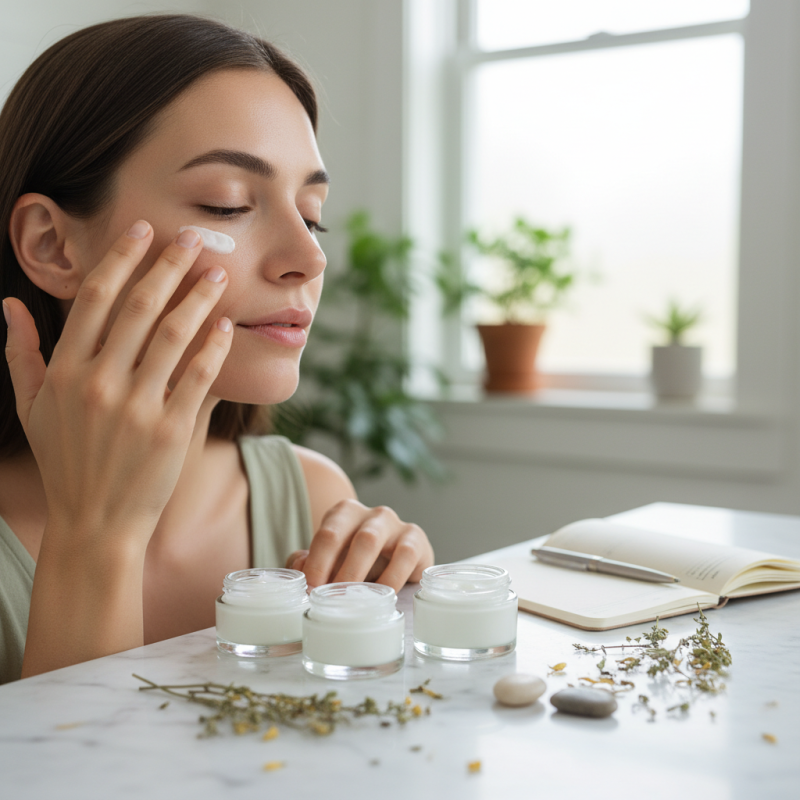
Choosing the right eye cream involves more than just looking at ingredients—how you apply it matters greatly. Studies show that proper application can enhance absorption and effectiveness. Start by using your ring finger, as it applies the least pressure. Gently tap the cream around the orbital bone, avoiding harsh rubbing motions.
For maximum benefits, consider applying eye cream at night. The skin's repair mechanism works overtime while we sleep. Research indicates that nighttime application can significantly improve hydration levels. Some users claim to see better results after just a few weeks of nightly use. It’s crucial to stick with a routine for visible effects.
Remember that applying too much product can be counterproductive. A pea-sized amount is often sufficient. Overloading can lead to irritation or milia. If you experience any discomfort, reassess the amount you’re using. Always allow time for the product to absorb before applying makeup. Waiting a few minutes can prevent interference and enhance overall results.