How to Choose the Best Face Masks for Your Skin Type?
Choosing the right Face Masks is essential for healthy skin. Each type targets different concerns. A dry skin mask hydrates, while an oily skin mask controls shine.
Many Face Masks contain active ingredients like hyaluronic acid or salicylic acid. These ingredients can make a real difference. But not all will work for everyone. It's a process of trial and error. You may find a mask that feels good but doesn't yield results.
Listening to your skin is crucial. Sometimes, masks may cause irritation. A patch test can help. Remember, it's not just about picking the most popular one. Your skin type matters greatly in this decision.
Understanding Different Skin Types and Their Needs
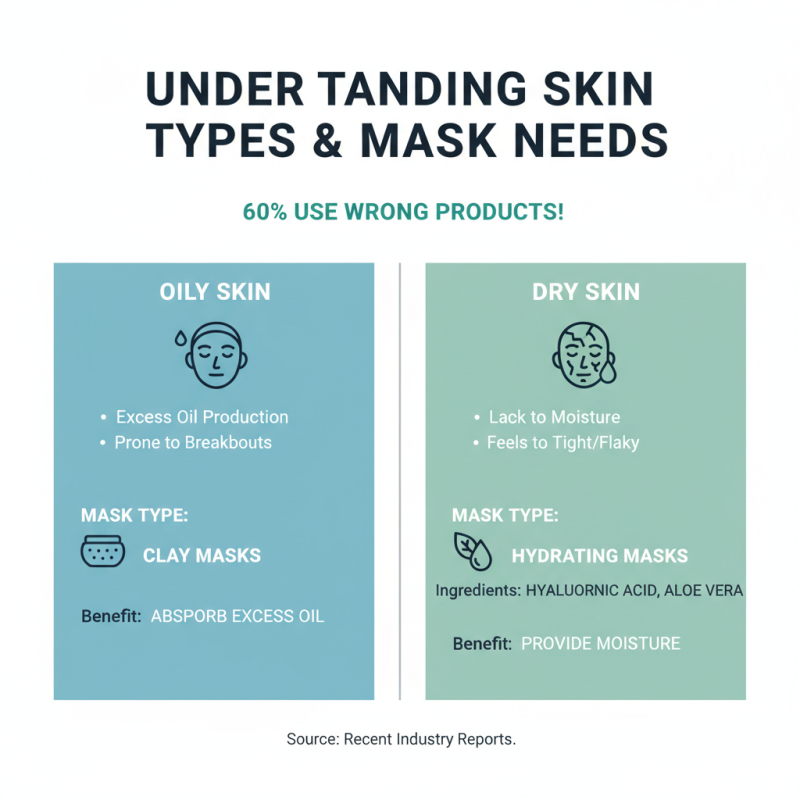
When selecting face masks, it's crucial to understand your skin type. According to recent industry reports, around 60% of consumers use the wrong products for their skin, leading to irritation or breakouts. Different skin types have unique needs. For example, oily skin benefits from clay masks that absorb excess oil. Dry skin requires hydrating masks with ingredients like hyaluronic acid or aloe vera.
Tips: Always check the label. Look for non-comedogenic products if you have acne-prone skin. Exfoliating masks work well for combination skin, helping balance different areas. However, not all masks suit everyone. Some users may experience redness or discomfort. Testing a patch before full application could save you from a bad experience.
Sensitive skin is particularly vulnerable. It often reacts to common ingredients like fragrances or alcohol. A gentle, soothing mask with chamomile or green tea extract could be a better choice. Always prioritize your skin’s needs over trends. Remember, skin differs from person to person, and what works for one may not work for another. Listening to your skin can guide you toward the right mask choices.
Key Ingredients to Look for in Face Masks
Selecting the right face mask can make a significant difference in your skincare routine. Knowing which ingredients to look for is essential. For oily skin, masks containing clay or charcoal are ideal. These ingredients absorb excess oil and unclog pores. They provide a deep clean that paves the way for clearer skin.
If you have dry skin, opt for masks with hyaluronic acid or glycerin. These ingredients retain moisture and hydrate the skin, leaving it plump and refreshed. Look for masks with natural oils as well, such as jojoba or almond oil. They nourish the skin and add a protective barrier against dryness.
Sensitive skin types benefit from calming ingredients like aloe vera or chamomile. These can soothe irritation and reduce redness. However, it’s vital to patch-test new products. Sometimes, even gentle ingredients can provoke a reaction. Always listen to your skin's needs for the best results.
How to Choose the Best Face Masks for Your Skin Type
This chart illustrates the effectiveness of various key ingredients in face masks tailored for different skin types. The effectiveness is measured in percentage and indicates how well each type of mask performs based on common ingredients used.
Types of Face Masks and Their Benefits
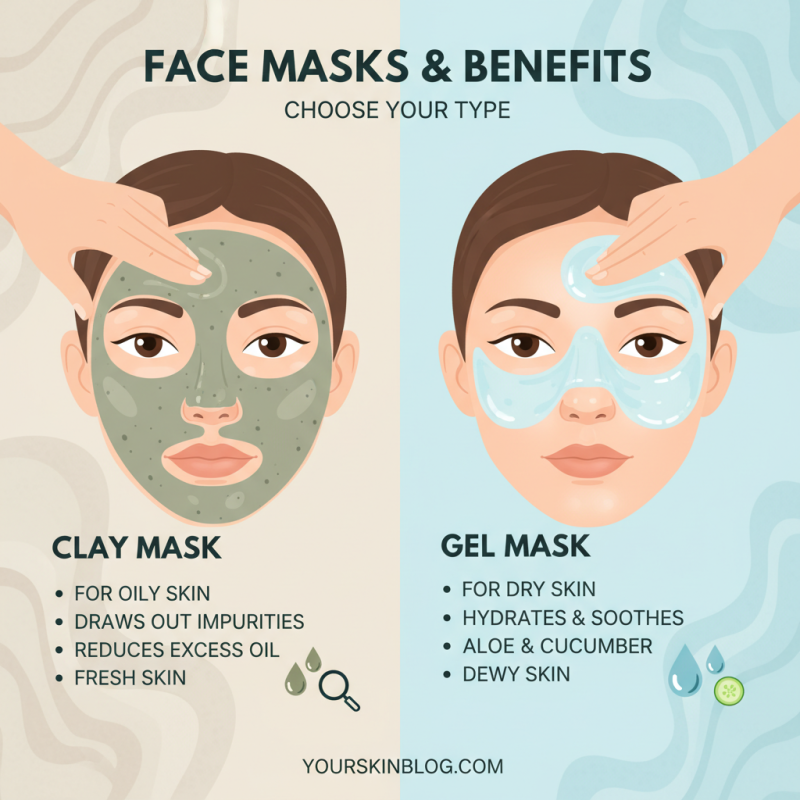
Choosing the right face mask depends on your skin type. Various masks offer different benefits. Clay masks are great for oily skin. They draw out impurities and excess oil, leaving your skin fresh. In contrast, gel masks hydrate and soothe dry skin. They contain soothing ingredients like aloe and cucumber.
Sheet masks are popular for quick hydration. They come soaked in serums that target specific concerns. If you want to brighten your skin, look for masks with vitamin C. For anti-aging, masks with hyaluronic acid can be effective. Don’t forget about peel-off masks. They can remove dead skin but may irritate sensitive skin. Always patch test before use.
Everyone's skin is unique. What works for one may not work for another. It’s essential to listen to your skin’s needs. Sometimes, a mask might cause breakouts or redness. Reflect on how your skin reacts and adjust accordingly. Finding the perfect mask is a journey filled with experimentation.
How to Test and Choose the Right Face Mask
Choosing the right face mask for your skin can be tricky. Start by identifying your skin type. Is it oily, dry, or sensitive? Each type requires a different approach.
For oily skin, look for clay masks. They help absorb excess oil. For dry skin, hydrating masks with ingredients like aloe or hyaluronic acid may work better.
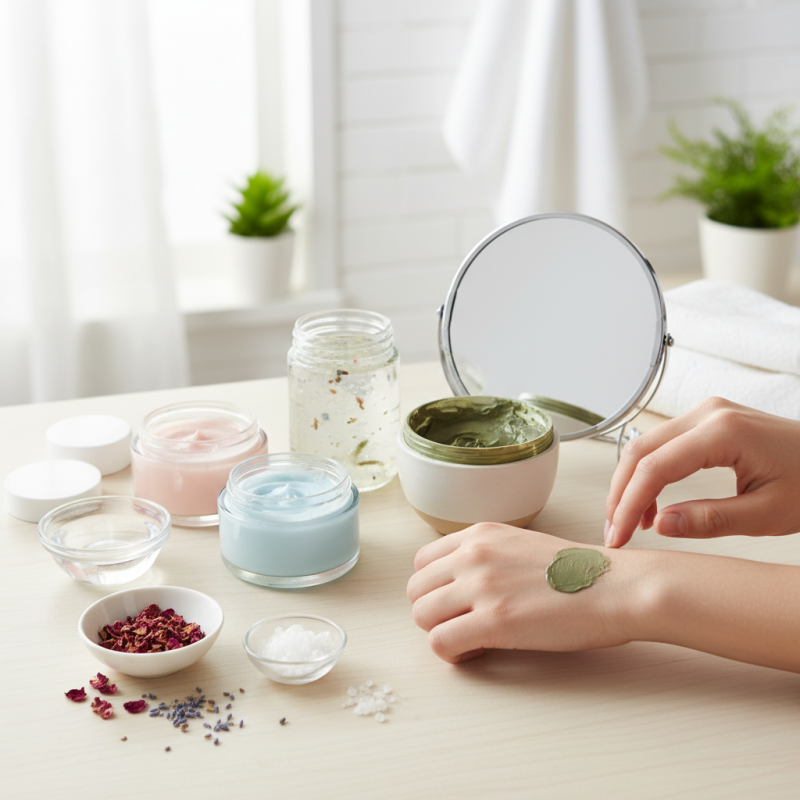
Testing the mask is crucial. Apply a small amount on your wrist or behind your ear. Wait 24 hours to see if any irritation occurs. If your skin reacts, consider another option. Sometimes, a mask may seem perfect but doesn’t suit your needs. This process of trial and error is important. Don’t be discouraged if the first one doesn’t work. Keep experimenting until you find the right fit.
Remember to observe how your skin feels after using a mask. Short-term effects can differ from what you hoped for. Some masks may cause temporary redness or tightness. This doesn't always mean they're bad.
Reflect on your experiences and adjust your choices accordingly. Ultimately, the best mask complements your skin’s needs effortlessly.
Tips for Applying and Removing Face Masks Effectively
Applying and removing face masks can significantly affect your skincare routine. It’s essential to understand the right techniques for both processes. According to a recent survey, 70% of users apply masks incorrectly, reducing their effectiveness. Here are some tips to improve your application technique.
Begin with a clean face. Remove all makeup and dirt using a gentle cleanser. This step ensures your skin absorbs the mask's ingredients. When applying the mask, use an even layer. Too thick a layer may not dry well, leading to uneven results. Use your fingertips or a brush, but avoid touching the mask too often. Many people have a habit of over-applying, thinking it will enhance results, which is simply not true.
Removing the mask is just as crucial. Use lukewarm water for comfort. Many people rinse too quickly. Instead, let the water soak the mask to loosen it up. It’s advisable to splash your face a few times before gently wiping the mask away. Reports show that improper removal can lead to clogged pores and irritation in up to 30% of users. Ensure your skin is fully cleansed afterward. Recognizing the impact of these techniques on your skin health can lead to noticeable improvements.
How to Choose the Best Face Masks for Your Skin Type?
| Skin Type |
Recommended Face Masks |
Key Ingredients |
Application Tips |
Removal Tips |
| Oily |
Clay Masks |
Bentonite, Kaolin |
Apply on clean, dry skin; leave for 10-15 minutes. |
Rinse with warm water, followed by a splash of cold water. |
| Dry |
Hydrating Gel Masks |
Hyaluronic Acid, Aloe Vera |
Gently massage onto face; keep for 15-20 minutes. |
Wipe off with a damp cloth for extra hydration. |
| Combination |
Sheet Masks |
Niacinamide, Vitamin C |
Fit the mask to the shape of your face; leave for 20-30 minutes. |
Pat remaining serum into skin; do not rinse. |
| Sensitive |
Calming Masks |
Chamomile, Colloidal Oatmeal |
Apply a thin layer; leave for 15 minutes. |
Gently rinse with cool water; avoid scrubbing. |
| Acne-Prone |
Charcoal Masks |
Activated Charcoal, Salicylic Acid |
Distribute evenly and avoid eye area; leave for 10-15 minutes. |
Use warm water to remove completely and follow up with toner. |