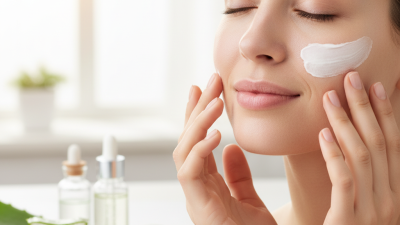
What is Emollient Cream and How Does it Benefit Your Skin?
In the realm of skincare, "Emollient Cream" stands out as a critical component for maintaining skin health. According to a recent report by the Journal of Dermatological Science, up to 50% of adults experience some form of dry skin. Experts emphasize the importance of moisturizing products. Dr. Emily Roberts, a renowned dermatologist, states, "Emollient Cream plays a vital role in barrier repair and hydration." This underscores the necessity of these creams for those suffering from skin conditions.
Emollient Creams are not just for dry skin; they provide essential benefits for all skin types. They contain lipids that create a protective layer on the skin. Research shows that regular use can improve the skin's moisture content by up to 40%. This finding is vital, especially for individuals with conditions like eczema or psoriasis. However, not all emollient products are created equal. Some may lack the necessary ingredients to be truly effective.
While Emollient Cream can significantly enhance skin hydration, it is essential to choose the right formulation. Many users may inadvertently select creams that irritate their skin instead of soothing it. Experts suggest patch testing new products. Even the best emollients may fail if they are not compatible with an individual's unique skin type. Understanding these nuances is crucial for effective skincare.

Definition and Composition of Emollient Cream
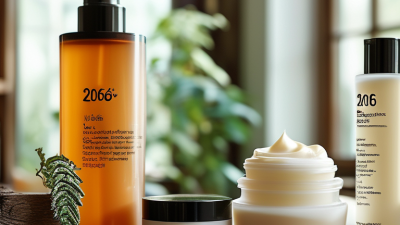
Emollient cream is a special skincare product designed to hydrate and nourish the skin. Its primary goal is to create a protective barrier on the skin’s surface. This barrier helps to retain moisture, preventing dryness and irritation. The composition of emollient cream typically includes a blend of oils, water, and emulsifiers. These ingredients work together to soften and smooth the skin.
Many of the oils used in emollient creams are natural. For example, plant-based oils provide essential fatty acids. These acids are crucial for skin barrier function. Emulsifiers allow the combination of oil and water, creating a smooth texture. This texture enhances the application experience, making it easy and pleasant to use.
While emollient creams can be beneficial, they may not suit everyone. Some individuals might experience breakouts or irritation. It's important to patch-test any new product. Consult a dermatologist if you're unsure about which product to use. Awareness of your skin type is key to finding the right emollient cream. Understanding the composition will guide informed choices for healthy skin.
How Emollient Cream Works to Hydrate the Skin
Emollient cream plays a crucial role in skin hydration. It forms a protective barrier on the skin's surface to lock in moisture. This barrier helps prevent water loss, which is essential for maintaining skin elasticity and softness. Many people notice improvements in skin texture and comfort after regular use.
These creams often contain various hydrating ingredients, such as fatty acids and oils. These components mimic the natural oils in the skin, making them effective. However, results can vary based on individual skin types and conditions. Some may experience a greasy feeling, which can be off-putting for certain users.
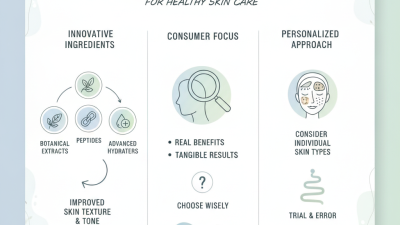
While many find emollients beneficial, it’s essential to choose the right product. Not all emollients are suitable for every skin type. Testing small patches on the skin before applying openly is a good habit. This trial-and-error approach helps users find what truly works for their skin. Understanding personal needs is critical for effective hydration.
Key Benefits of Using Emollient Cream Regularly
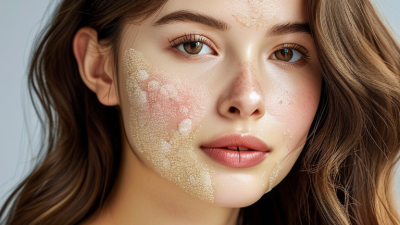
Emollient creams are essential for maintaining skin health. They play a vital role in hydration. Regular use helps to repair and restore the skin barrier. Dry, flaky skin can be uncomfortable. It often leads to itching and irritation. Emollient creams reduce these symptoms effectively.
One significant benefit is increased moisture retention. These creams create a protective layer. This barrier prevents water loss. As a result, skin feels softer and more supple. Many people notice improvement in skin texture within days. They can enhance skin elasticity too. The consistency of these creams can feel luxurious and soothing.
However, not all emollient creams work the same for everyone. Some may find the texture too thick or greasy. Others might experience mild reactions. It’s essential to patch-test products. Everyone's skin is unique, and what works for one may not work for another. Finding the right emollient cream can require some trial and error.
Types of Emollient Cream and Their Specific Uses
Emollient creams are essential for maintaining healthy skin, offering various types tailored for specific needs. One popular type is petrolatum-based emollients, known for their occlusive properties. They create a barrier that locks in moisture, making them ideal for very dry skin conditions. According to the National Eczema Association, using petrolatum can reduce water loss from the skin by up to 98%, highlighting its effectiveness.
Another type is humectant emollients, such as glycerin and hyaluronic acid. These ingredients draw moisture from the environment into the skin. A study published in the Journal of Dermatology found that humectants can significantly improve skin hydration levels. This makes them suitable for those exposed to dehydrating environments, like air conditioning. However, they may sometimes lead to a sticky feeling, which not everyone prefers.
Creams with natural emollients, like shea butter and cocoa butter, are also worth noting. They provide nourishment and can improve skin elasticity. While these creams may offer a pleasant texture, they may not be as hydrating as their synthetic counterparts. Balancing the needs of your skin with the right type of emollient cream is essential. Individual experiences can vary, prompting ongoing evaluations of what works best for you.
What is Emollient Cream and How Does it Benefit Your Skin?
| Type of Emollient Cream |
Key Ingredients |
Specific Uses |
Benefits |
| Creamy Emollient |
Glycerin, Jojoba Oil |
Dry skin, Eczema |
Deep hydration, skin barrier protection |
| Ointment Emollient |
Petrolatum, Lanolin |
Very dry or damaged skin |
Seals moisture, prevents transepidermal water loss |
| Lotion Emollient |
Aloe Vera, Almond Oil |
Normal to slightly dry skin |
Lightweight hydration, soothing effect |
| Gel Emollient |
Hyaluronic Acid, Silicones |
Oily or acne-prone skin |
Hydration without greasiness, pore refinement |
Tips for Choosing the Right Emollient Cream for Your Skin Needs
Choosing the right emollient cream for your skin needs can feel overwhelming. The first step is to understand your skin type. Is it dry, oily, or sensitive? Dry skin often benefits from thicker creams. Look for ingredients like shea butter or glycerin for deep hydration. For oily skin, lighter formulations with non-comedogenic properties might be more suitable.
Consider the specific issues you want to address. If you suffer from eczema or psoriasis, seek creams that offer soothing properties. Key ingredients like ceramides or aloe vera can help calm inflammation. Reading labels is crucial. Avoid products with strong fragrances or harsh chemicals, as these can irritate sensitive skin.
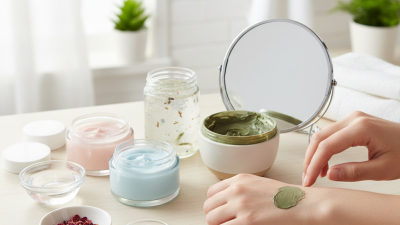
Don't forget about patch testing. Even the best products can cause reactions. Apply a small amount before committing to regular use. Regularly reassess your skin's condition and adapt your choices accordingly. Skin needs can change with seasons or age, so flexibility is essential.
Emollient Cream Benefits for Skin