What is Eye Cream and How Does It Benefit Your Skin?
Eye cream is a vital addition to many skincare routines. With delicate skin around the eyes, this product addresses specific concerns. It helps to combat dark circles, puffiness, and fine lines. Many face the challenge of finding the right product. Not every eye cream delivers on its promises.
Considerations include ingredients and formulation. Eye creams often contain peptides, antioxidants, and hydrating agents. These components can significantly improve skin texture. However, results can vary from person to person. Some may experience irritation or no visible change. It's essential to read reviews and consult professionals before making a choice.
Understanding what eye cream offers is crucial. It not only hydrates but also nourishes and protects the skin. While many claim dramatic transformations, results are not guaranteed. Individuals must approach their skincare with realistic expectations. Using eye cream is a step towards healthier skin, but it requires patience and consistency.
What is Eye Cream?
Eye cream is a specialized skincare product designed to target the unique concerns of the delicate skin around the eyes. This area, much thinner than the rest of the face, is prone to signs of aging, such as fine lines and dark circles. According to a 2021 market report by Grand View Research, the global eye cream market is projected to reach $3.9 billion by 2025, reflecting its growing importance in skincare routines.
The ingredients in eye creams often include peptides, hyaluronic acid, and antioxidants, which provide hydration and help improve skin elasticity. A study published in the Journal of Cosmetic Dermatology found that individuals using eye creams with retinol showed a 25% improvement in fine lines after eight weeks. However, not all products are equally effective. Some may contain irritants that could worsen sensitivity. It’s crucial to choose formulas that are fragrance-free and hypoallergenic.
Tips: Apply eye cream gently with your ring finger to avoid extra pressure. Use a small amount, as a pea-sized dose is usually sufficient. Avoid using too close to the lash line to prevent irritation. Pay attention to your skin’s response. If redness or discomfort occurs, re-evaluate your choice. Not all skin reacts the same way, and the perfect product for you may require some trial and error.
Key Ingredients in Eye Creams and Their Functions
Eye creams are specially formulated to target the delicate skin around the eyes. These products often contain key ingredients that can improve the appearance of fine lines, dark circles, and puffiness. Understanding these ingredients can help you choose the right eye cream for your needs.
One common ingredient is hyaluronic acid, known for its hydrating properties. It draws moisture into the skin, making it plump and reducing the appearance of fine lines. Peptides are also popular; they support collagen production and enhance skin elasticity. Caffeine is used for its ability to constrict blood vessels, effectively reducing puffiness.
When selecting an eye cream, look for formulations with antioxidants like vitamin C. These help protect the skin from environmental damage. Always patch-test new products, especially near the eyes.
Tips: Use your ring finger to apply eye cream. This finger exerts the least pressure. Be mindful that too much product can overwhelm the area. Consider your skin type and concerns when choosing an eye cream. Regular use will lead to better results.
Benefits of Using Eye Cream for Your Skin
Eye cream is a specialized skincare product designed to target the delicate area around the eyes. This area is often prone to dryness, puffiness, and wrinkles. Regular use of eye cream can hydrate, smooth, and brighten, providing a noticeable difference in your appearance.
The benefits of using eye cream are substantial. Firstly, it hydrates the skin, preventing dryness and flakiness. Ingredients like hyaluronic acid are excellent for moisture retention. Additionally, many products contain antioxidants, which help to combat oxidative stress. This can reduce dark circles and promote a more youthful look.
Tips: When applying eye cream, use your ring finger for a gentle touch. Tap, don’t rub. A small amount is usually enough. Be cautious with the ingredients; some may not suit sensitive skin. Regular use, even in small amounts, can make a big difference over time.
How to Properly Apply Eye Cream for Best Results
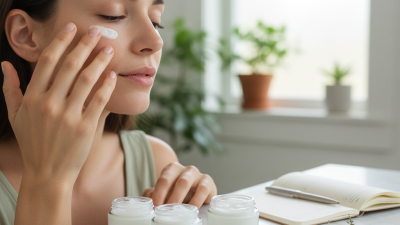
Applying eye cream can be simple yet effective if done correctly. To start, ensure your skin is freshly cleansed. This removes dirt and allows better absorption of the cream. Use your ring finger to apply a small amount of product. This finger applies the least pressure, making it perfect for the delicate eye area.
Gently dab the cream along the orbital bone, avoiding direct contact with the eyes. This area needs moisture, but applying too close can cause irritation. Make small, circular motions while applying. This technique boosts circulation and can reduce puffiness. Remember, less is more; over-application can lead to product buildup.
Tips: Keep your eye cream in the refrigerator for a cooling effect. This can reduce swelling and give a refreshing sensation. Also, don’t rush the application. Take your time to enjoy the process, allowing your skin to absorb the product fully. If you find your eye area feels greasy or irritated afterward, you might be using too much. Adjust the amount according to your skin’s needs.
Choosing the Right Eye Cream for Your Skin Type
Choosing the right eye cream for your skin type can be a game changer. The delicate skin around the eyes requires special attention. Different ingredients serve different needs. Your skin type plays a crucial role in this selection process.
For dry skin, look for eye creams that contain hyaluronic acid. This ingredient helps retain moisture. Creams with peptides can boost collagen production, reducing fine lines. Oily skin types might benefit from lightweight gels that won't clog pores. They typically absorb quickly, leaving a fresh feel.
**Tips:** Test a small amount before full application. Watch for any irritation. If redness or itching occurs, discontinue use. Another suggestion is to check the texture. A richer cream may feel luxurious but can be too heavy for some skin types. Always choose based on what feels right for you. Your needs may change over time, so revisit your choices regularly.