What is Facial Care Cream and How Does It Benefit Your Skin?
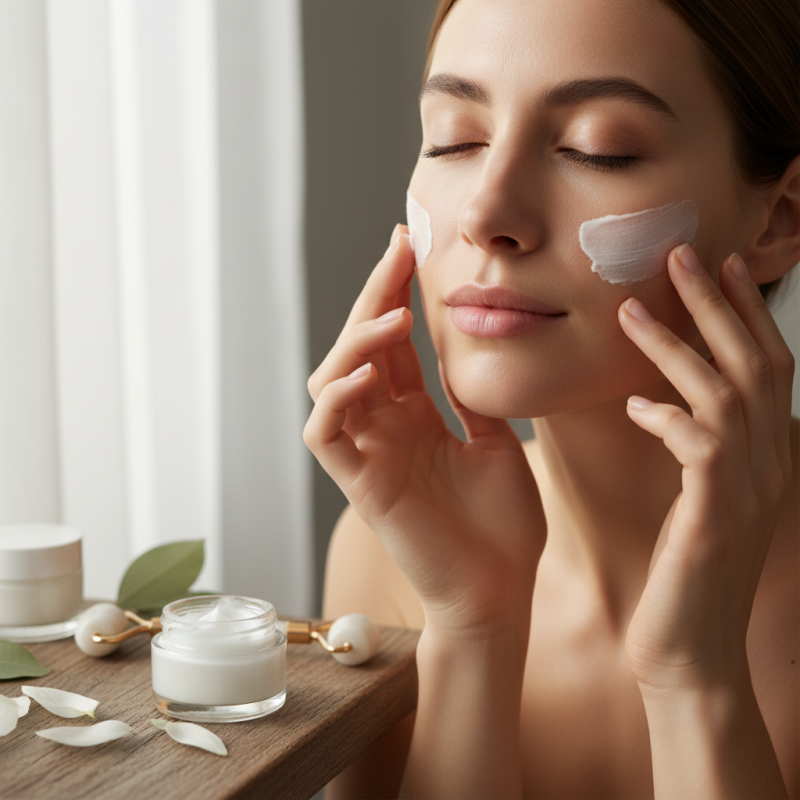
Facial Care Cream is becoming a popular choice for skincare enthusiasts. Many people use it daily. This cream offers various benefits that can significantly enhance skin health. From moisturizing to providing essential nutrients, Facial Care Cream is versatile.
When applied regularly, it helps maintain skin elasticity and hydration. However, not all Facial Care Creams are created equal. Some may contain harmful ingredients or irritants. It is essential to choose carefully.
Investing in a quality Facial Care Cream can yield positive results, but it requires diligence. Successful skincare goes beyond mere application. Listening to your skin’s needs is crucial, as what works for one may not work for another. Make informed choices, and always reflect on how your skin responds.
What is Facial Care Cream?
Facial care cream is a topical product designed to nourish and protect the skin. It typically contains a blend of hydrating agents, vitamins, and antioxidants. According to a report by Statista, the global facial cream market is projected to reach $18 billion by 2025. This indicates a growing interest in skincare routines across different demographics.
Many creams claim to deliver various benefits. For instance, a study shows that creams containing vitamin C can improve skin tone and texture. However, the effectiveness of these products can vary greatly. Not all ingredients work for every skin type. Some people may experience irritation or allergic reactions, which can deter them from consistent use.
Moreover, the rush to achieve flawless skin can lead to overusing products. This may cause unnecessary stress and may even harm the skin barrier. A survey highlighted that 50% of participants feel overwhelmed by the number of products available. Educating oneself about ingredients is crucial. Not every cream will suit your needs, and trial and error is often part of the journey.
Key Ingredients Found in Facial Care Creams
Facial care creams often contain key ingredients that nourish and protect the skin. One common ingredient is hyaluronic acid. It attracts moisture, keeping your skin hydrated. Many people notice a plumper appearance after using products with this acid. Another essential ingredient is retinol. It aids in cell turnover and reduces fine lines. Over time, retinol can improve overall skin texture.
Antioxidants like vitamin C play a crucial role too. They help combat free radicals that cause premature aging. Daily use can result in a brighter complexion. However, some individuals may experience irritation with high concentrations. It’s important to test products and adjust usage accordingly.
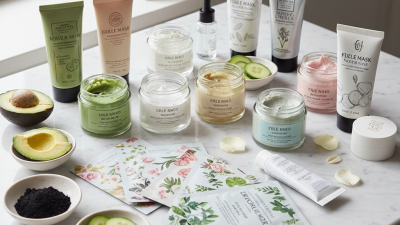
Many creams also incorporate botanical extracts. Green tea and aloe vera are popular choices. They offer anti-inflammatory benefits, soothing redness and irritation. You might feel relief from stress-related breakouts when these extracts are included. Still, it's wise to research ingredients. Not every formulation suits every skin type, and patch testing is always recommended.
Benefits of Using Facial Care Cream for Your Skin
Facial care cream is a pivotal part of skincare routines. It hydrates and nourishes the skin effectively. Many people overlook the importance of these creams. They often expect instant results without consistency. However, commitment to a regular application can make a significant difference.
Using facial care cream helps to improve skin texture. It interacts with natural oils, promoting a healthy glow. Additionally, it can combat dryness and flakiness, which many struggle with. But, not every cream suits every skin type. Sometimes, irritation or breakouts arise from unsuitable products. Users must be vigilant and observe how their skin reacts.
Moreover, facial creams often contain active ingredients targeting various concerns. Some may offer anti-aging benefits, while others focus on hydration. It’s important to choose creams wisely, as not every ingredient works for everyone. Listening to your skin is crucial. Regularly assess how your skin feels and responds to these products. Embracing this journey can lead to better skin health and more informed choices.
What is Facial Care Cream and How Does It Benefit Your Skin?
| Feature |
Description |
Benefits |
| Hydration |
Contains moisturizing ingredients to improve skin moisture level. |
Keeps skin supple and reduces the appearance of dryness. |
| Anti-aging |
Formulated with antioxidants and peptides to combat wrinkles. |
Promotes youthful skin and reduces fine lines. |
| Nourishment |
Enriched with vitamins and natural extracts for skin nourishment. |
Enhances overall skin health and radiance. |
| Soothing Properties |
Includes calming ingredients like aloe vera and chamomile. |
Reduces irritation and redness, ideal for sensitive skin. |
| Protection |
Provides barrier against environmental stressors and pollution. |
Helps maintain skin integrity and prevents damage. |
Different Types of Facial Care Creams Available
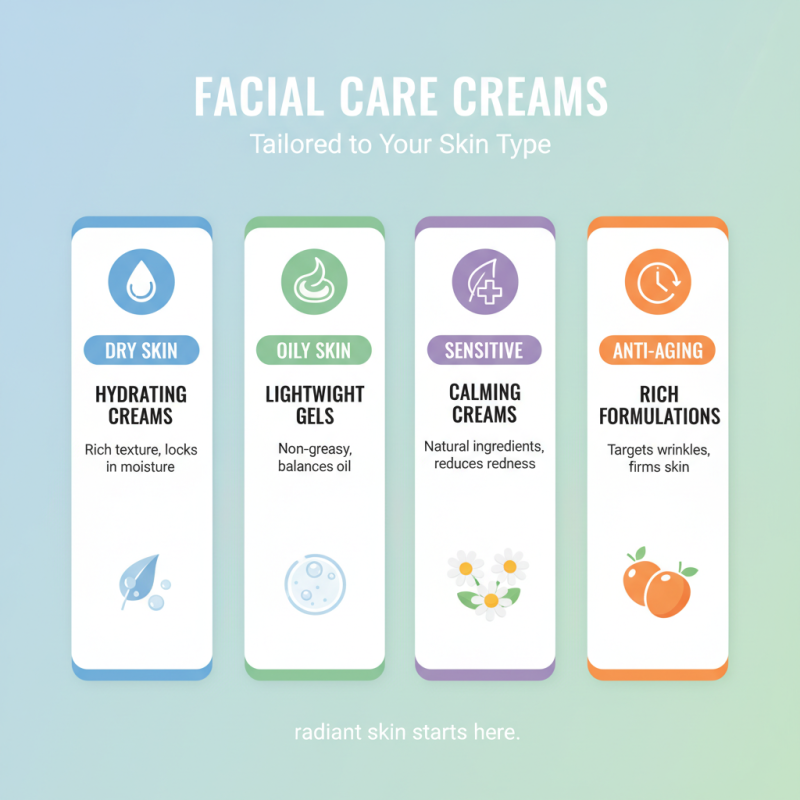
When it comes to facial care creams, various types cater to different skin needs. Hydrating creams are perfect for dry skin, while oily skin benefits from lightweight gels. For sensitive skin, calming creams with natural ingredients work wonders. Anti-aging creams, with their rich formulations, target wrinkles and fine lines efficiently.
Tips: Always read ingredient lists. A cream that works well for someone else might not suit you. Patch test new products to avoid irritation.
Another interesting option is sunscreen-infused creams. They offer protection from UV rays, an essential step in any skincare routine. Exfoliating creams, on the other hand, help remove dead skin, revealing a brighter complexion. However, over-exfoliating may lead to irritation and sensitivity.
Tips: Use exfoliating creams sparingly. Your skin needs time to recover. Remember, not every cream will yield instant results. Patience is key in skincare.
How to Choose the Right Facial Care Cream for Your Skin Type
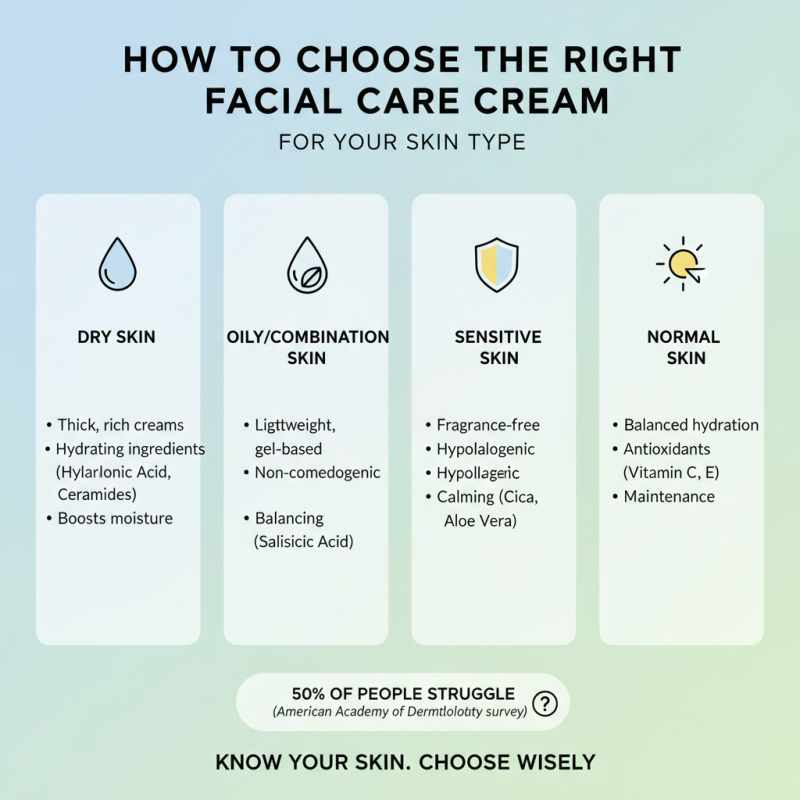
Choosing the right facial care cream can be challenging. Different skin types require specific formulations. According to a survey by the American Academy of Dermatology, 50% of people struggle to find suitable products. This highlights the need for careful consideration.
For oily skin, lightweight gels are ideal. They hydrate without adding excess oil. A study from the Journal of Dermatological Science noted that 67% of those with oily skin prefer such formulations. In contrast, dry skin benefits from creams rich in hydrators like hyaluronic acid. These create a barrier, locking in moisture. However, individuals with combination skin can feel lost. They might need to layer products, which can be overwhelming.
Understanding your skin's needs isn't always straightforward. Many people ignore how factors like diet or climate impact their skin. Skin can also change over time, requiring adjustments in product choice. A report by the World Health Organization states that skincare is a dynamic process. Regular reflection on your choices is crucial for achieving healthier skin.