10 Facial Skin Cleanser Buying Tips for Global Buyers
Choosing the right Facial Skin Cleanser requires more than comparing prices or attractive packaging. Global buyers must examine formula quality, supplier reliability, consumer needs, and market requirements. A product that performs well in a humid Asian city may feel too drying in a cold European climate. Skin varies. Details matter.
This guide presents 10 practical buying tips for international sourcing teams, retailers, distributors, and private-label brands. It considers cleansing performance, skin compatibility, ingredient transparency, packaging stability, shelf life, and production consistency. Buyers should review the complete INCI list, product specifications, safety documentation, and quality-control records before placing an order. A reliable supplier should also explain testing methods, batch control, and storage conditions clearly.
Regulatory expectations differ between markets, so product claims require careful review. Terms such as “hypoallergenic,” “natural,” or “dermatologist tested” should have suitable evidence. Responsible sourcing also includes checking factory practices and communication standards. No checklist is perfect. Supplier promises can sound convincing, yet small details may remain unclear. Requesting samples helps reveal texture, fragrance strength, foam level, rinsing feel, and pump performance. I have found that practical testing often exposes issues that documents miss. Buyers should record these observations and compare them against customer expectations. This introduction sets the direction for evaluating Facial Skin Cleanser products with greater confidence, realism, and professional judgment.
Define Your Skin Type and Cleansing Needs
Before choosing a facial cleanser, identify how your skin behaves throughout the day.
Does it feel tight after washing, become shiny by noon, or react with redness? These details are more useful than a label alone. Dry or sensitive skin often benefits from a gentle, low-foam formula. Oily skin may prefer a lightweight cleanser that rinses clean without leaving a squeaky feeling. Combination skin can need a balanced option. Tightness is a clue, not a diagnosis.
Tips:
Check your skin after cleansing and again a few hours later. Note any stinging, flaking, or excess shine. Choose fragrance-free options if fragrance tends to bother you. Keep the routine simple. Changing several products at once makes reactions harder to trace.
Your cleansing needs also depend on what you wear and where you live.
Sunscreen, makeup, sweat, and dusty conditions may call for a more thorough evening cleanse, while a mild morning rinse may be enough. For global buyers, compare ingredient lists and directions, not just claims such as “deep clean.” A product that feels comfortable in a humid climate may feel drying in colder, drier weather. Test a small amount first when practical. Skin can be unpredictable, and even a sensible choice may need reconsidering.
Compare Cleanser Formulas, Ingredients, and Skin Benefits
Compare cleanser formulas by how they feel and rinse, not by marketing terms alone. Gel cleansers often suit oily skin, while cream formulas can feel more comfortable on dry or sensitive skin. Foaming products may remove surface oil effectively, but a tight feeling after washing can signal excessive dryness. Oil cleansers can loosen sunscreen and makeup; check whether the formula rinses cleanly. Texture matters.
Then inspect ingredients against the intended skin benefit. Glycerin and other humectants help attract water, while mild surfactants cleanse with less irritation for many users. Fragrance and certain exfoliating acids may not suit reactive skin, so avoid broad promises that one formula works for everyone. Even familiar ingredients can behave differently in a finished product. The label is only part of the picture.
For global purchasing, request a full ingredient list, usage directions, and stability or safety testing relevant to the target market. Compare samples on damp skin, then note how they feel after rinsing and several hours later. A cleanser that performs well in a cool showroom may feel different in a humid climate. Small details count. Supplier claims deserve verification, and packaging compatibility should be checked too. I would not judge a formula from one test alone.
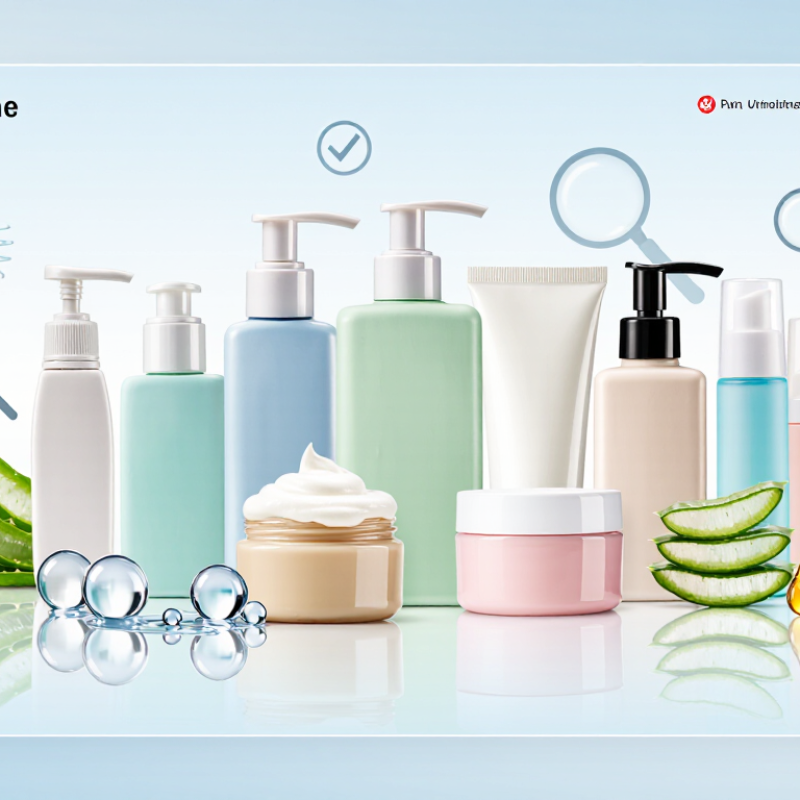
How to Read the Chart
Facial cleansers formulated near the skin’s natural acidic range, approximately pH 4.5–6.5, are generally considered more compatible with the skin barrier. Syndet, micellar, gel, and cream cleansers commonly use mild surfactants such as glucosides, amino-acid surfactants, or betaines. Oil cleansers mainly dissolve oil-based impurities, while soap-based formulas are typically more alkaline and may feel more drying for sensitive or dry skin.
The ranges shown are typical formulation ranges and may vary according to ingredients, preservatives, water quality, and final product design.
Check Product Safety, Quality Standards, and Certifications
10 Facial Skin Cleanser Buying Tips for Global Buyers
When evaluating a facial cleanser, product safety should come before appearance or fragrance. Request the complete ingredient list, allergen information, batch number, shelf life, and storage instructions. Check whether the formula has passed microbiological, stability, and skin irritation testing. A clear label builds trust, especially when products cross borders.
Buying tips: Ask suppliers for current safety reports and manufacturing records. Review whether production follows recognized cosmetic good manufacturing practices, such as ISO 22716. Confirm the certificate’s issuing body, validity period, factory address, and covered product category. Do not accept a certificate image without verification. Certification supports credibility, but it does not replace independent quality checks.
Inspect the cleanser’s packaging closely. The cap should close firmly, with no leakage, broken seal, or unusual odor. Compare samples from different batches when possible. A product may look consistent while its texture changes after transport or heat exposure. Claims like “gentle” or “suitable for sensitive skin” need supporting evidence, not attractive wording alone. I have learned that paperwork can appear complete yet still leave small gaps. That is worth questioning. Ask who tested the product, when testing occurred, and whether results match the current formula. Reliable suppliers answer clearly and provide traceable documents.
Assess Packaging, Shelf Life, and Global Shipping Requirements
Global buyers should assess a facial cleanser beyond its formula. Packaging must protect the product from leakage, contamination, heat, and repeated handling. Choose a secure pump, sealed cap, or tamper-evident closure. Check the container after drop, vibration, and pressure testing. Clear labeling should include ingredients, net quantity, batch number, usage directions, and responsible-party details. Requirements differ between markets, so local verification remains essential.
Shelf life needs evidence, not assumptions. Request stability data covering heat, cold, light, and microbial protection. Confirm the expiry date or period-after-opening symbol suits each destination. The World Bank’s What a Waste 2.0 report projects municipal waste could reach 3.4 billion tonnes annually by 2050. Smaller packs, concentrated formulas, and recyclable materials may reduce shipping weight and packaging waste. However, recycling claims can change by country. That part needs careful review.
Tips: Test packaging with the actual cleanser. Some pumps clog after formula thickens. Use cartons with internal protection and moisture-resistant labels. Record temperature limits during ocean or air transport. Ask suppliers for batch traceability and transport test records. I would not trust attractive packaging alone. A low-cost bottle may create leakage claims, customs delays, or damaged cartons. UN Environment Programme’s 2023 Turning off the Tap report says plastic pollution could fall by 80% by 2040 with major system changes. Packaging choices matter.
Evaluate Suppliers, Costs, and Order Terms Before Buying
Global facial cleanser sourcing requires more than a low unit price. McKinsey’s 2023 beauty market analysis projects the global beauty industry could reach about US$590 billion by 2028. That growth increases supplier competition, but it also creates quality risks. Request product specifications, ingredient documentation, microbiological test results, stability data, and packaging compatibility records. A clean factory and clear answers matter.
Tip: Calculate landed cost, not only FOB price. Include samples, tooling, freight, insurance, customs duties, testing, and possible reformulation. Grand View Research’s 2024 skincare market report identifies continued premiumization and product innovation. However, a premium formula may lose value if its packaging leaks during a long sea shipment. Ask suppliers for three quotations with identical specifications. Compare cost per usable unit.
Tip: Review order terms line by line. Confirm MOQ, sample fees, production lead time, payment stages, inspection rights, and defect handling. A 30% deposit can look standard, but cash flow may become difficult for a small buyer. Request a pilot order before a large commitment. Check whether the contract defines acceptable fill volume, pump performance, labeling accuracy, and delivery tolerance. Incoterms must be written clearly. Verbal promises fade quickly. Euromonitor International’s beauty consumer research repeatedly highlights value and trust, yet buyers sometimes judge suppliers only by catalog photos. I have found that one overlooked detail, such as carton strength, can create the largest cost.