2026 How to Choose Face Mask Cream for Global Buyers?
In 2026, global buyers need more than attractive packaging when selecting Face Mask Cream. They need evidence, consistency, and a clear understanding of the product’s intended use. A creamy texture may look premium, yet it can feel heavy on humid skin or separate during transport. Small details matter.
This guide examines practical criteria for international sourcing. Buyers should review the full INCI ingredient list, product claims, safety documentation, stability data, and microbial testing. Request recent certificates of analysis and verify whether testing matches the supplied batch. Supplier experience also matters. Ask about manufacturing standards, quality controls, traceability, and response procedures for complaints. A factory may provide impressive samples but struggle with repeat production. Test both.
Regional preferences can change the buying decision. Lightweight formulas may suit tropical markets, while richer textures may perform better in dry climates. Fragrance sensitivity, vegan expectations, recyclable packaging, and language requirements also deserve attention. Confirm labeling rules, restricted ingredients, import documents, and responsible claims in each target market. Regulations differ, and assumptions can create costly delays. A small pilot order is often wiser than a large commitment. Compare texture after opening, application comfort, drying time, removal, and skin feel over several weeks. Results may vary across users. That is normal. No single Face Mask Cream fits every market, skin type, or retail channel. Reliable decisions come from documented testing, transparent communication, and a willingness to question attractive promises. Great products still need honest limits.

What Is Face Mask Cream and How Does It Work?
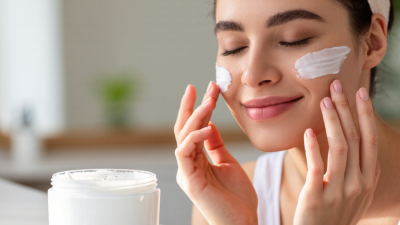
Face mask cream is a concentrated skincare product applied to the face for a limited period. It may be rinsed off or left on, depending on its formula. Unlike a thin daily lotion, it often feels richer and stays on the skin longer. Humectants attract water, while emollients soften rough areas and occlusives help reduce moisture loss. Some formulas also use clay, botanical extracts, or gentle exfoliating agents. The ingredient list matters more than attractive packaging.
How does it work? After application, the cream forms a temporary layer across the skin surface. This layer can slow water evaporation and help the skin feel smoother. A clay-based formula may absorb excess surface oil, while a moisturizing formula may support dry, tight-feeling skin. It is not magic. Results depend on the ingredients, contact time, and the user’s skin condition. Patch testing matters. Buyers should check the full ingredient list, usage instructions, fragrance level, and preservation system before placing an order.
For global purchasing, climate and transport deserve practical attention. A cream designed for a cool warehouse may soften during shipment through a hot region. Airless packaging can reduce repeated finger contact, but it may raise cost. In product evaluations, I have found that texture, odor, and rinsing behavior strongly affect repeat use. However, personal testing is never perfect. Skin reactions differ, and one impressive sample proves little. Request stability records, batch details, safety documentation, and clear labeling from suppliers before comparing prices.
Which Skin Types and Concerns Should Buyers Consider?
Choosing a face mask cream begins with skin type, not attractive packaging.
Dry skin needs comfort. Buyers should look for humectants, emollients, and a creamy texture that reduces tightness after cleansing. Oily or combination skin may prefer lightweight formulas with a non-greasy finish. However, “oil-free” does not automatically mean suitable for every oily user. Some lightweight products can still feel irritating.
Sensitive skin requires closer screening.
Buyers should check fragrance, essential oils, strong exfoliating acids, and high levels of drying alcohol. A short ingredient list can help, but it is not a complete safety guarantee.
Patch testing remains practical, especially for products containing botanical extracts or active ingredients. Apply a small amount near the jawline and observe the area for 24 hours.
Small details matter.
Skin concerns also change the buying decision.
Dullness may call for gentle brightening ingredients, while rough texture may benefit from carefully measured exfoliation. Mature-looking skin often needs hydration and barrier support rather than aggressive claims. Acne-prone users should consider pore-clogging potential, although ingredient reactions vary between individuals.
Climate matters too. A rich cream may suit cold, dry regions but feel uncomfortable in tropical humidity.
Buyers should request full ingredient disclosure, usage guidance, stability information, and testing records from suppliers. A common mistake is trusting marketing language too quickly. Even careful screening can miss real-world differences between users.
What Packaging, Shelf Life, and Certifications Are Required?
2026 How to Choose Face Mask Cream for Global Buyers?
What Packaging, Shelf Life, and Certifications Are Required?
For global buyers, packaging should protect the cream from air, light, moisture, and contamination. Airless pumps often suit active formulas because they reduce repeated exposure. Wide-mouth jars may be practical, but users should apply the product with clean spatulas. Choose materials after compatibility testing. Some creams soften plastic or affect printed labels. A tamper-evident seal also improves buyer confidence. Small details matter.
Shelf life must come from stability testing, not a convenient estimate. Testing should examine heat, cold, light, odor, color, texture, and microbial quality. Record the manufacturing date, batch number, expiry date, and period-after-opening symbol when required. Storage instructions should be realistic, such as “keep below 30°C” rather than vague advice. I would not promise one shelf life for every country. Transport conditions and local rules can change the result.
Tips: Request the stability report, packaging compatibility data, ingredient list, and batch records before ordering. Check whether ISO 22716-based cosmetic manufacturing controls are available. Certifications may differ by destination, so verify them with qualified local specialists. Also ask for samples after extended storage. A formula can look perfect on day one and disappoint later. That possibility deserves attention.
2026 How to Choose Face Mask Cream for Global Buyers?
Packaging, Shelf Life, and Certification Readiness Checklist
This chart summarizes practical compliance checkpoints for exporting face mask creams. EU cosmetic rules are used as a reference baseline; requirements vary by destination market. Certifications such as ISO 22716, organic, and vegan certification are often buyer-requested but are not universally mandatory.
Buyer takeaway: Confirm INCI labeling, net content, batch coding, warnings, stability evidence, durability or PAO labeling, product safety documentation, and destination-market notification before shipment.
How Can Global Buyers Compare Suppliers, Costs, and Compliance?
Global buyers choosing face mask cream should compare suppliers through evidence, not glossy samples.
Grand View Research estimated the global face mask market at over USD 4 billion in 2023, with continued growth expected through 2030. This growth attracts capable factories and careless intermediaries. Request an ISO 22716-based manufacturing system, recent microbial results, stability data, ingredient specifications, and batch traceability records. A clean sample proves little.
Cost comparison must use landed cost. Include formula, packaging, testing, freight, duties, inspection, and possible reformulation expenses. The lowest quotation often excludes critical details. Compare identical specifications: net weight, active ingredients, jar or tube material, filling tolerance, minimum order quantity, and lead time.
A 50,000-unit offer may appear cheaper, yet slow inventory can damage cash flow. Keep a small pilot order.
Compliance depends on the destination market.
In the European Union, buyers should verify a safety assessment, product information file, responsible-party arrangements, compliant claims, and required notification. For the United States, cosmetic labeling, ingredient declaration, adverse-event procedures, and facility obligations require careful review under current federal rules. ISO 22716 is useful, but it is not market authorization. The OECD’s Test Guidelines also provide recognized methods for safety evaluation, although they do not replace local requirements.
Ask for signed documents, test dates, laboratory accreditation, and corrective-action records. Some suppliers provide beautiful files. The files may still be incomplete. A third-party factory audit and independent batch testing can reveal that uncomfortable gap.