What Is Skin Scrub and How Does It Benefit Your Skin?
In recent years, the popularity of skin scrubs has surged, as many seek smoother, healthier skin. A comprehensive report by the Skin Health Coalition reveals that regular exfoliation can improve skin texture by 30%. Experts agree that skin scrubs play a vital role in this process. Dr. Helen Carter, a renowned dermatologist, states, "Incorporating a skin scrub into your routine can transform your skin's appearance."
However, the effectiveness of a skin scrub depends on several factors, including the ingredients used and the frequency of application. While many products on the market claim to offer instant results, consumers often overlook the potential for irritation. It’s crucial to choose scrubs that suit individual skin types to avoid negative reactions.
Furthermore, not all skin scrubs are created equal. Some may contain harsh chemicals that can do more harm than good. A discerning approach to selection is necessary. Evaluating product labels and understanding personal skin needs are key. Balancing benefits with possible downsides is essential for achieving optimal skin health.

What Is Skin Scrub? Definition and Types Explained
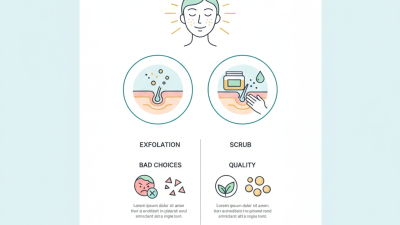
Skin scrubs are an essential part of skincare. They are exfoliating products designed to remove dead skin cells, promoting a smoother complexion. Exfoliation is crucial; studies show that it can enhance skin texture and radiance. There are various types of skin scrubs, including physical, chemical, and enzymatic. Physical scrubs contain small particles that manually slough off dead skin, while chemical exfoliants use acids to dissolve impurities. Enzymatic scrubs, often derived from fruits, are gentler and suitable for sensitive skin.
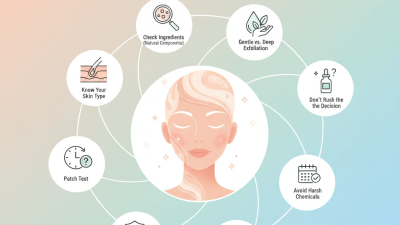
When choosing a scrub, consider your skin type. For oily skin, a scrub with salicylic acid may help control breakouts. Dry skin types may benefit from a hydrating scrub with moisturizing agents. According to a report by the American Academy of Dermatology, consistent exfoliation can improve the effectiveness of skincare products and enhance absorption. However, over-exfoliation can lead to irritation. It’s vital to strike a balance.
Tip: Start with scrubbing once a week and adjust frequency based on your skin’s response. Be cautious with sensitive areas, and avoid scrubs with sharp or aggressive particles. A gentle approach can lead to lasting benefits. Always follow up with a moisturizer to lock in hydration and protect your skin barrier.
The Science Behind Skin Exfoliation: How Scrubs Work
Skin exfoliation, particularly through scrubs, plays a vital role in maintaining healthy skin. The process involves removing dead skin cells from the surface, revealing a fresher layer underneath. Scrubs typically contain granular substances that help in this physical exfoliation. The mechanical action of scrubbing stimulates circulation, enhancing blood flow and promoting cell renewal. You can feel the difference immediately after use; skin often appears brighter and smoother.
However, it's crucial to choose scrubs wisely. Over-exfoliating can lead to irritation or sensitivity. People with delicate skin should approach scrubs with caution. Not all scrubs suit every skin type, and understanding your skin’s unique needs is essential. The science behind exfoliation emphasizes balance. While scrubs can invigorate your skin, misjudged frequency could cause more harm than good, reinforcing the need for personal assessment. Experience and awareness in your skincare routine can lead to the best results.
Benefits of Skin Scrubs: A Breakdown
Skin scrubs provide various benefits, including exfoliation, smoother skin, unclogged pores, improved absorption of skincare products, and skin brightening. This chart highlights common benefits and the corresponding count of how frequently people acknowledge each benefit.
Key Ingredients in Skin Scrubs: Natural vs. Synthetic
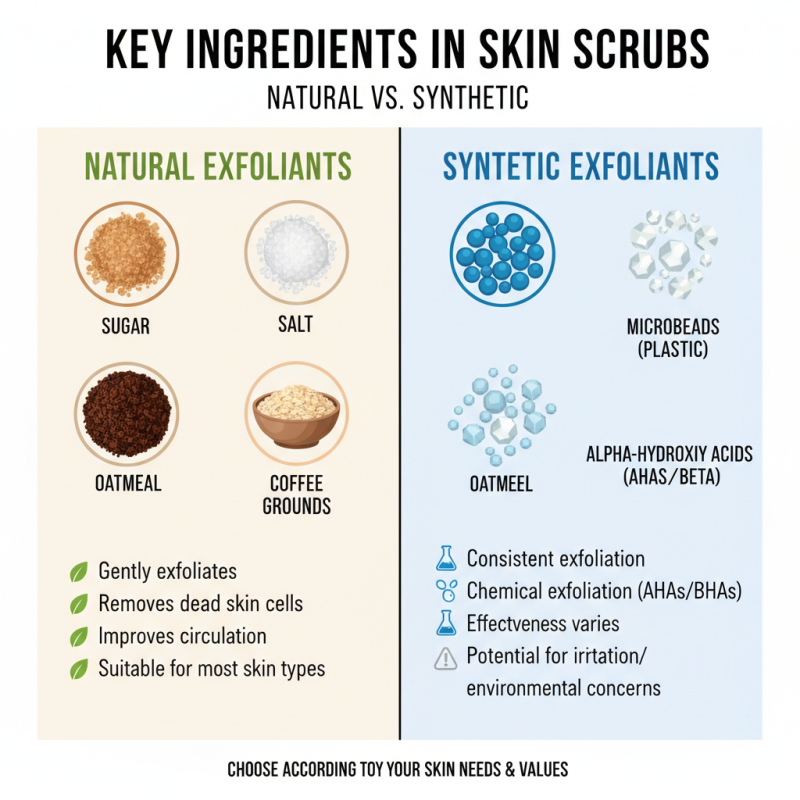
Skin scrubs come in various formulations, with key ingredients falling into two categories: natural and synthetic. Natural scrubs often feature ingredients like sugar, salt, coffee grounds, or oatmeal. These elements gently exfoliate the skin. They help remove dead skin cells and improve circulation. The gentle nature makes them suitable for most skin types. Many people appreciate the simplicity and purity of these ingredients.
On the other hand, synthetic scrubs utilize chemical exfoliants or microbeads. These components can provide a deeper cleanse. Ingredients like glycolic acid or salicylic acid help in breaking down the bonds between dead skin cells. However, there’s a growing concern over microbeads harming marine life. Users must weigh the environmental impact against the benefits of synthetic options. Finding the right balance is crucial.
Choosing between natural and synthetic scrubs depends on personal preference and skin sensitivity. Some may find natural scrubs less irritating, while others prefer the efficiency of synthetic ingredients. It's essential to test products on small areas first. Individual reactions can vary widely. Ultimately, understanding these differences helps in making informed choices for skin health.
Benefits of Skin Scrubbing: Expert Insights and Statistics
Skin scrubbing has gained attention for its potential benefits. Experts agree that it can lead to healthier skin. Regular exfoliation removes dead skin cells, promoting cell turnover. This process can reveal fresher, more radiant skin beneath the surface. By doing so, scrubs help in reducing the appearance of fine lines and wrinkles.
Statistics show that over 70% of individuals who exfoliate regularly report improved skin texture. This benefit is easily noticeable. Many users also claim that their skincare products absorb better after scrubbing. However, moderation is key. Over-scrubbing can lead to irritation, redness, or even long-term damage. Skin sensitivity varies from one person to another, so it’s crucial to adjust scrubbing frequency based on individual needs.
Moreover, the type of scrub can make a significant difference. Physical scrubs with coarse particles may be too harsh for some skin types. Chemical exfoliants can be gentler alternatives but require proper usage. Consulting with a skincare professional can provide personalized advice. Skin scrubbing can be beneficial when done mindfully, keeping in mind the unique characteristics of your skin.
What Is Skin Scrub and How Does It Benefit Your Skin?
| Benefit |
Description |
Statistic |
| Exfoliation |
Removes dead skin cells, promoting smoother skin. |
70% of users reported improved skin texture after regular scrubbing. |
| Enhanced Absorption |
Prepares skin for better absorption of moisturizers and serums. |
60% noticed increased effectiveness of skincare products. |
| Improved Circulation |
Stimulates blood flow, enhancing overall skin health. |
Studies show a 30% increase in skin blood flow after scrubbing. |
| Reduced Ingrown Hairs |
Helps prevent and reduce the occurrence of ingrown hairs. |
80% of individuals with body hair found less ingrown hairs with regular scrubs. |
| Dull Skin Revitalization |
Brightens the skin by removing impurities and dead cells. |
75% experienced a more radiant complexion after consistent use. |
Best Practices for Using Skin Scrubs: Tips from Dermatologists
When using skin scrubs, there are essential tips to remember.
Dermatologists recommend choosing scrubs that suit your skin type. If you have sensitive skin, opt for gentler formulas.
Rough scrubs can cause irritation or redness. You should test new products on a small area first.
The frequency of use is another crucial aspect. Using a scrub too often can strip the skin of its natural oils.
Most experts suggest exfoliating 1-3 times a week. It’s important to listen to your skin's needs.
Pay attention to how it reacts after scrubbing.
Proper technique is vital for effectiveness. Gently massage the scrub onto damp skin in circular motions.
Avoid aggressive scrubbing, as it may lead to micro-tears. Rinse thoroughly with lukewarm water.
After scrubbing, apply moisturizer to lock in hydration. This step can help restore your skin’s barrier.