Global beauty is expanding, but buyers still need to distinguish durable demand from passing trends. McKinsey’s 2023 beauty-market analysis projected the sector could reach about $580 billion by 2027, with annual growth near 6%. This broad forecast does not measure face masks alone. Still, it signals a competitive market where product fit matters. Face Mask Cream formats—from rinse-off clay creams to overnight treatments—serve different routines, price points, and customer expectations.
For global buyers, the label is only the start. Compare texture, intended use, ingredient transparency, packaging, shelf-life documentation, and supplier quality controls. A thick cream may suit a jar, while a lighter formula can work better in a tube or single-use sachet. Details matter. Claims should be clear and supported by appropriate evidence, not inflated promises. Regional preferences also vary; a fragrance loved in one market may put off shoppers elsewhere.
This Top 10 guide offers a practical way to compare product types and sourcing priorities. It draws on established market analysis, while recognizing that broad beauty forecasts cannot predict the success of any one mask. That is an important limitation. Product performance depends on formulation, testing, and how people actually use it. A sample can feel luxurious in a buyer meeting, then prove awkward in a real routine. The strongest choice is not always the most novel one. It is the option whose formula, evidence, and supply details stand up to close review.
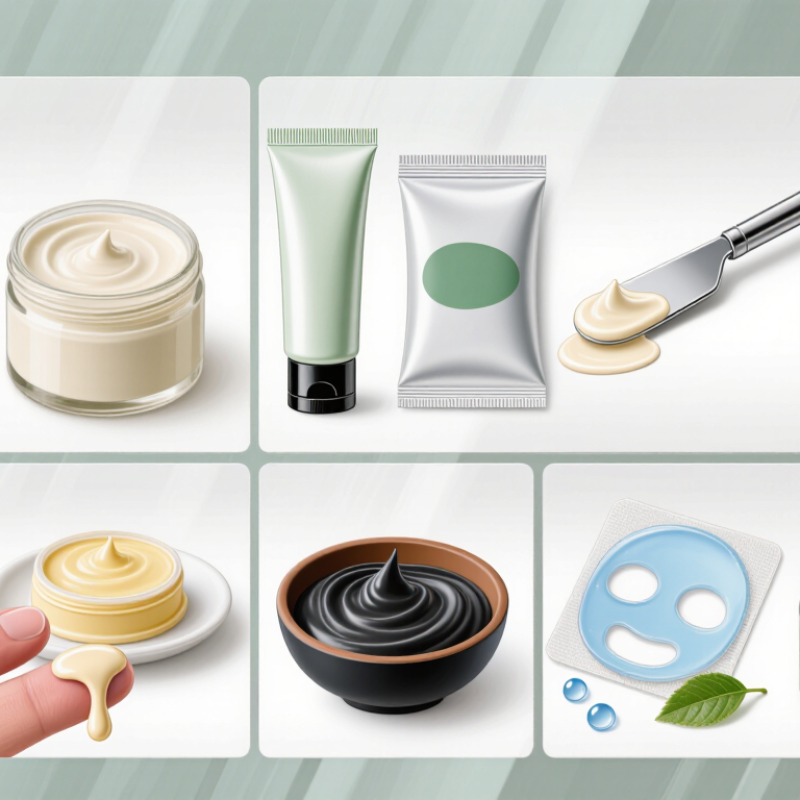
Cream face masks are easier to compare when buyers separate texture, intended benefit, and skin fit. The label “cream” alone says little: a dense, waxy base behaves differently from a cool gel. Here are ten practical types, though categories can overlap.
Rich cream masks use emollients for dry-feeling skin;
gel-cream masks feel lighter for people who dislike a heavy finish.
Clay-cream masks absorb surface oil,
while charcoal-cream versions are marketed for oily, congested-feeling skin.
Sleeping masks form a leave-on layer overnight; check directions, since not every formula is designed for that use.
Soothing oat or panthenol creams target temporary tightness.
Barrier-support masks focus on humectants and skin-conditioning lipids.
Brightening masks may use vitamin C derivatives or niacinamide to address uneven-looking tone.
Enzyme masks offer surface smoothing,
while acid-exfoliating creams use ingredients such as lactic acid.
Gentle matters.
Skin fit is not guaranteed by a type name. Fragrance, ingredient concentration, and the rest of a routine can change how a mask feels. Patch-test a small area, especially with exfoliating formulas, and follow the stated wear time. A clay mask may feel too drying on cheeks, even when the T-zone is oily. That mismatch is common. Buyers comparing suppliers should request full ingredient lists, directions, and relevant safety and stability documentation. I would not rank these types universally; one person’s comfortable cream can feel too heavy to another.
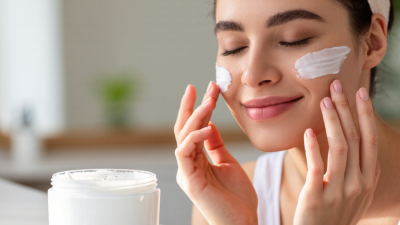
Cream masks can support a comfortable, less tight feeling when skin is dry. Hydrating formulas often use humectants, such as glycerin, to help attract water. Nourishing versions may feel richer, with emollients that soften rough patches and reduce moisture loss. Texture matters: a light gel-cream can suit humid weather, while a denser cream may feel better in a dry room. These are practical preferences, not guarantees. Skin can react differently, even to familiar ingredients.
Tips: Apply a thin, even layer to clean skin. Keep it away from the eyes, and follow the label’s timing. Try a small patch first, especially with sensitive skin. A patch test helps, but it cannot predict every reaction.
Overnight cream masks are designed to stay on longer, so check that the instructions allow this use. A pillowcase can collect residue; applying less may help. In my experience, too much product can feel sticky rather than soothing. If burning, persistent redness, or discomfort occurs, rinse it off and stop using it. Avoid layering several new products at once, since that makes reactions harder to trace. A simple routine is sometimes the more useful choice.
Moisture Care: Hydrating, Nourishing, and Overnight Cream Masks
Bars show indicative midpoint wear times based on common product-use directions: rinse-off masks are generally worn briefly, while sleeping masks are left on overnight. Directions vary by product; always follow the label. This is not a performance ranking.
Cream masks are not one-size-fits-all; climate, skin feel, and ingredient tolerance all matter.
For oily areas, clay masks can absorb some surface oil and leave a temporarily less shiny finish. They may feel tight if left on until completely dry. Rinse when the directions advise.
Exfoliating masks use ingredients such as gentle acids or enzymes to loosen dead surface cells. Start with occasional use, especially if skin is sensitive, and avoid pairing a new exfoliating mask with other strong exfoliants on the same evening. Less can be more.
Brightening masks often contain ingredients such as niacinamide or vitamin C derivatives to support a more even-looking tone. Results vary, and persistent discoloration may need professional advice rather than repeated masking.
“Detox” is often a product description, not a medical claim: a mask cannot remove toxins from the body. Some formulas can lift surface residue or excess oil, but harsh cleansing may leave skin dry or irritated.
For global buyers, clear ingredient lists and directions help shoppers compare products across markets. Packaging should explain intended skin types, use time, and basic cautions. A patch test is sensible, though it cannot predict every reaction. Labels can be confusing, and even a well-designed mask may not suit everyone.
Soothing cream masks suit skin that feels tight after cleansing or dry indoor air. Look for humectants such as glycerin, plus familiar calming ingredients like panthenol or colloidal oatmeal. A cushiony texture can reduce that “pulled” feeling while the mask is on. It is comfort care, not a cure for persistent irritation. Patch-test new formulas, especially if skin is reactive. Small details matter: fragrance, rinse-off directions, and how easily the mask spreads.
Firming masks usually rely on hydration to make fine lines look temporarily softer; they should not promise lasting lifting. Vitamin-rich versions may feature vitamin C derivatives or vitamin E, but formula stability and packaging affect performance. Opaque, well-sealed jars or tubes can help limit light and air exposure. There is a larger market behind these choices: Cosmetics Europe’s 2024 market report valued Europe’s cosmetics and personal-care market at €96 billion in 2023, with skincare the leading category at about 28%. That is not mask-specific data, but it signals sustained interest in skin care. Global buyers should still check ingredient lists, usage directions, and climate suitability. A rich cream may feel lovely in a cool, dry season and too heavy in humid heat. The distinction is not always obvious. Test it.
| Cream Mask Type | Typical Ingredients | Primary Care Focus | Commonly Suited To | Formulation & Use Considerations |
|---|---|---|---|---|
| Soothing Cream Mask | Colloidal oatmeal, panthenol, allantoin | Helps comfort skin that feels dry or temporarily irritated | Sensitive or dry-feeling skin | Fragrance-free options may suit fragrance-sensitive users. Patch testing is advisable for reactive skin. |
| Barrier-Support Cream Mask | Ceramides, glycerin, squalane | Supports moisture retention and the skin barrier | Dry or tight-feeling skin | Rich emollient textures may feel heavy on some skin types; follow the product’s rinse-off or leave-on directions. |
| Hydrating Cream Mask | Hyaluronic acid, glycerin, betaine | Provides humectant hydration to improve the feel of dryness | Dehydrated or normal-to-dry skin | Hydration is temporary and does not replace daily moisturizer. Humectant blends are often paired with emollients. |
| Firming-Feel Cream Mask | Peptides, glycerin, emollients | Leaves skin feeling smoother and temporarily more supple | Mature or dry-feeling skin | Cosmetic “firming” effects are generally temporary; results depend on the full formulation and regular skin-care routine. |
| Vitamin C Cream Mask | Ascorbic acid or vitamin C derivatives, humectants | Helps improve the appearance of dullness and uneven-looking tone | Dull-looking or uneven-looking skin | Vitamin C forms differ in stability and formulation needs. Use sunscreen during daytime skin-care routines. |
| Vitamin E Cream Mask | Tocopherol, plant oils, emollients | Provides emollient care and helps reduce the feel of dryness | Dry or rough-feeling skin | Oil-rich textures may not be preferred by users seeking lightweight products; check the complete ingredient list for sensitivities. |
| Niacinamide Cream Mask | Niacinamide, glycerin, panthenol | Supports a more balanced-looking complexion and moisturized feel | Normal, combination, or uneven-looking skin | Skin tolerance varies with concentration and the overall formula. Introduce new products gradually if skin is reactive. |
| Peptide Cream Mask | Peptide ingredients, humectants, emollients | Conditions skin and supports a smoother-looking appearance | Dry or mature-looking skin | Peptide types and supporting ingredients vary. Avoid assuming that all peptide formulas have the same performance. |
| Botanical Soothing Cream Mask | Aloe vera, centella asiatica, botanical extracts | Offers a comforting skin-care experience and moisturized feel | Users seeking botanical-focused formulas | Plant-derived ingredients can still cause sensitivities. Review allergen information and consider a patch test. |
| Overnight Cream Mask | Glycerin, ceramides, squalane or other emollients | Provides overnight moisture and helps reduce the feeling of dryness | Dry or dehydrated-feeling skin | Designed to be used according to label directions; a richer texture may transfer to bedding or feel occlusive for some users. |
Note: Ingredient lists and cosmetic effects vary by product and market. Buyers should check local regulations, labeling requirements, allergen disclosures, and product-specific directions before purchase.
For clay, gel, cream, and overnight masks, the INCI list deserves a line-by-line check. Ingredients above 1% generally appear in descending order; ingredients at 1% or less may follow in any order. Colorants have separate listing rules. A formula sheet and finished label should match, including fragrance components and preservatives. Small details matter. A label can look tidy and still misstate the formula.
For products placed on the EU market, Regulation (EC) No 1223/2009 requires a designated Responsible Person, a Product Information File, a safety assessment, and notification through the Cosmetic Products Notification Portal. These are not interchangeable documents. Keep versioned records for each mask formula and packaging revision. Cosmetics Europe reported European cosmetics and personal care retail sales of €96 billion in 2023; that scale makes consistent compliance checks commercially important, not just administrative.
For US sales, MoCRA, enacted in 2022, introduced FDA facility-registration and product-listing requirements, with periodic updates, plus serious adverse-event reporting within 15 business days. Confirm who owns each filing before shipment. ISO 22716:2007 provides cosmetic GMP guidance covering production, control, storage, and shipment. It supports disciplined manufacturing records, but does not replace market-specific legal duties. One honest limitation: a checklist cannot prove a batch was made correctly; batch records and supplier evidence still need review. (Sources: Cosmetics Europe, 2024; EU Regulation 1223/2009; FDA MoCRA guidance; ISO 22716:2007.)