Leave Your Message
Request a Quote

Top 10 Types of Lip Sheet Masks for Global Buyers

Global buyers are no longer choosing lip care by appearance alone. They examine texture, ingredients, packaging, and supplier reliability. This guide introduces the top 10 types of Lip Sheet Mask products for different markets, skin concerns, and purchasing goals. Each type offers a distinct experience, from cooling hydrogel patches to nourishing bio-cellulose designs.

In product evaluations, I look closely at moisture retention, adhesion, comfort, and removal. A mask should stay in place while buyers speak, travel, or prepare for an event. It should also leave lips soft, not excessively sticky. Common ingredient themes include hyaluronic acid, ceramides, botanical extracts, peptides, and gentle exfoliating agents. However, ingredient quality matters more than fashionable wording. Suppliers should provide clear INCI lists, safety documentation, stability information, and suitable packaging details. Small details matter.

A ranking can never be perfectly universal. Climate, consumer habits, price expectations, and local cosmetic requirements vary widely. A rich formula may suit dry winter conditions but feel heavy in humid regions. Fragrance can attract some customers and concern others. I have also found that attractive claims sometimes hide weak performance. Buyers should compare tested results with marketing language. They should verify whether “natural,” “vegan,” or “dermatologically tested” claims are properly supported. This overview helps importers, retailers, and private-label brands assess each Lip Sheet Mask type with greater confidence. The goal is not simply to find a popular product. It is to identify a dependable option for a specific market, customer, and use occasion.
Top 10 Types of Lip Sheet Masks for Global Buyers

What Lip Sheet Masks Are and How They Work

Top 10 Types of Lip Sheet Masks for Global Buyers

What Lip Sheet Masks Are and How They Work

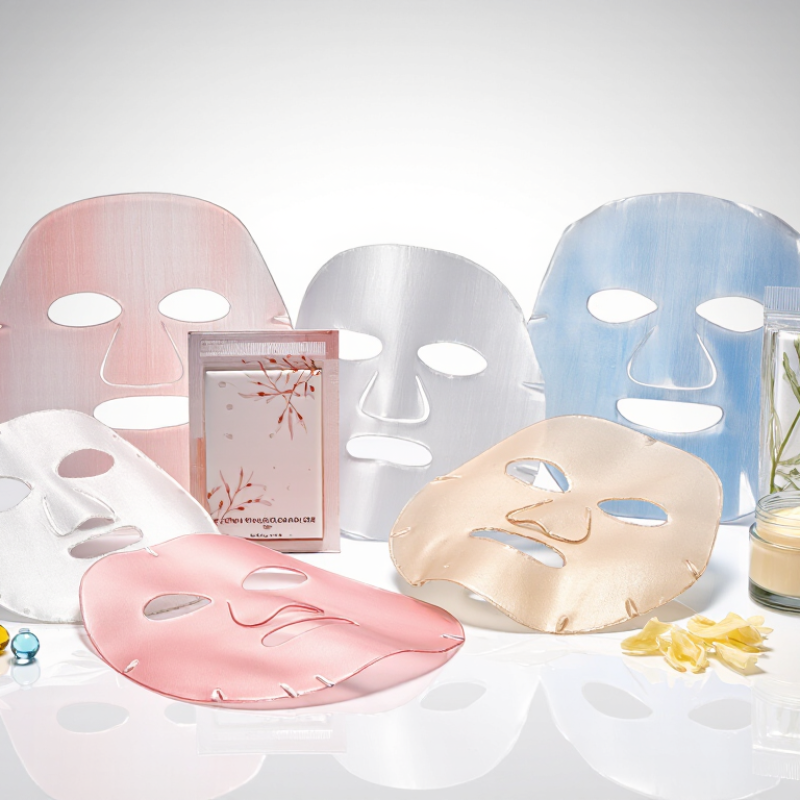
Lip sheet masks are thin, serum-soaked patches shaped to cover the lips and nearby skin. Most use hydrogel, bio-cellulose, or soft cotton-like materials. The sheet holds moisture against the surface, creating a short-term occlusive effect. This can reduce water loss while humectants, such as glycerin, attract moisture.

The process is simple. Clean, dry lips receive the mask for about 10 to 20 minutes. Users then remove it and gently press the remaining serum into the skin. Ingredients such as hyaluronic acid, panthenol, and plant-derived oils may improve softness. However, absorption is limited. A mask cannot repair deep cracks overnight.

Industry data supports growing interest in lip care. Fortune Business Insights valued the global lip care products market at approximately USD 4.57 billion in 2024, with continued growth projected through 2032. Grand View Research also identifies moisturizing and protective products as important market segments. These reports cover lip care broadly, not sheet masks alone, so buyers should avoid overstating category-specific demand.

Material choice matters. Hydrogel feels cool and flexible, while bio-cellulose may fit uneven lip contours more closely. Fragrance can improve the experience, but sensitive users may prefer simpler formulas. In practice, results depend on skin condition, climate, and application time. Some claims sound impressive. The evidence may be thinner.

The Top 10 Lip Sheet Mask Types by Formula and Function

Top 10 Types of Lip Sheet Masks for Global Buyers
The Top 10 Lip Sheet Mask Types by Formula and Function

Lip sheet masks differ by formula, material, and intended use. Buyers should review ingredient safety, packaging stability, and local cosmetic requirements. Hydrating masks often use humectants that soften dry lips. Peptide masks target a smoother appearance and improved surface feel. Collagen-inspired formulas offer temporary plumping through moisture retention. Hyaluronic acid masks create a fresh, cushioned finish. They may feel slippery during use.

Nourishing masks usually contain plant oils, shea butter, or ceramides. These formulas suit lips exposed to cold air and frequent washing. Exfoliating masks may use mild fruit acids or enzymes to loosen surface flakes. They need careful testing because sensitive lips can react quickly. Soothing masks often include panthenol, allantoin, or oat-derived ingredients. Brightening masks focus on uneven tone and usually require gentle, non-irritating formulas. Results vary widely.

Overnight masks provide a thicker barrier and longer contact time. Cooling masks can reduce the sensation of heat after outdoor exposure. This makes ten practical types: hydrating, peptide, collagen-inspired, hyaluronic acid, nourishing, exfoliating, soothing, brightening, overnight, and cooling. Material choice also matters. Hydrogel feels flexible, while bio-cellulose may cling more closely. During sampling, check scent, serum volume, adhesion, and removal comfort. I would not trust appearance alone. A beautiful mask can still dry too quickly, leak during shipping, or irritate real users. Small pilot tests across climates reveal more than a polished specification sheet.

Key Ingredients, Materials, and Skin Benefits to Compare

Top 10 Types of Lip Sheet Masks for Global Buyers

For global buyers, ten lip sheet mask types can look similar in a product catalog. Their materials and ingredients often create the real difference. Hydrogel masks feel cool and flexible, while cotton masks offer a familiar, soft texture. Bio-cellulose materials fit closely around the lip line but may cost more. Microfiber sheets usually hold serum well and suit efficient mass production.

Hyaluronic acid supports a plump, hydrated feeling. Ceramides help maintain the skin barrier’s comfortable feel. Collagen formulas can improve temporary smoothness, but buyers should avoid exaggerated lifting claims. Peptides may support a refined appearance when used consistently. Aloe, glycerin, and panthenol are practical choices for dry-feeling lips. Exfoliating acids need careful testing, especially for sensitive users.

I compare masks by serum weight, sheet adhesion, scent, and removal experience. A sample that looks attractive may dry quickly after opening. Check the ingredient list, stability records, microbial testing, and packaging seal before placing large orders. I also inspect the inner pouch after heat and cold exposure. The result is not always perfect. Some thick sheets feel luxurious but leave too much liquid around the mouth. Others fit neatly but tear during application. Buyers should test different climates, because humidity can change drying time, comfort, and shelf performance.

Top 10 Types of Lip Sheet Masks for Global Buyers - Key Ingredients, Materials, and Skin Benefits to Compare

No. Lip Sheet Mask Type Typical Sheet Material Key Ingredients to Compare Primary Skin Benefits Best Suited For Typical Wear Time Buyer Comparison Points
1 Hydrating Hyaluronic Acid Mask Hydrogel, cotton, or cellulose sheet Hyaluronic acid, glycerin, betaine, panthenol Helps attract and retain water, reducing the feeling of dryness and tightness Dry, dehydrated, or normal lips 10–20 minutes Check serum loading, fit, slip resistance, and whether the formula leaves a sticky residue
2 Ceramide Barrier-Support Mask Bio-cellulose, nonwoven fabric, or hydrogel Ceramides, cholesterol, fatty acids, squalane, panthenol Supports the skin barrier and helps reduce moisture loss Dry, rough, or barrier-stressed lips 10–15 minutes Compare lipid system, fragrance level, allergen labeling, and compatibility with sensitive skin
3 Soothing Aloe and Panthenol Mask Cotton, rayon, cellulose, or bio-cellulose Aloe vera, panthenol, allantoin, beta-glucan Provides a cooling, moisturizing, and soothing feel Lips feeling dry or temporarily irritated by environmental exposure 10–15 minutes Review botanical concentration, preservative system, and suitability for reactive skin
4 Peptide Firming and Smoothing Mask Hydrogel or thick cellulose sheet Peptides, amino acids, hyaluronic acid, adenosine Temporarily smooths the appearance of fine dryness lines and improves moisture levels Mature or visibly dry lip areas 10–20 minutes Compare peptide type and concentration claims; avoid unsupported permanent lifting claims
5 Vitamin E Nourishing Mask Hydrogel, cotton, or oil-infused cellulose Tocopherol, plant oils, shea butter, squalane Softens rough-feeling lips and provides emollient moisture Very dry or flaky-feeling lips 10–15 minutes Assess richness, comedogenicity considerations around the mouth, scent, and post-use comfort
6 Exfoliating PHA Lip Mask Thin cellulose or nonwoven sheet Gluconolactone, lactobionic acid, urea, humectants Helps loosen surface buildup while adding moisture; generally milder than many AHAs Dull or rough-feeling lips without active irritation 5–10 minutes Compare acid percentage, pH, usage frequency, warning statements, and patch-test guidance
7 Brightening Antioxidant Mask Bio-cellulose, hydrogel, or cellulose sheet Stable vitamin C derivatives, licorice extract, niacinamide, vitamin E Helps improve the look of uneven tone and provides antioxidant support Dull-looking lips; not intended for cracked or compromised skin 10–15 minutes Check active stability, packaging protection from light and air, and realistic cosmetic claims
8 Overnight Occlusive Lip Mask Thick hydrogel or gel-coated fabric sheet Petrolatum, mineral oil, shea butter, ceramides, hyaluronic acid Creates an occlusive layer that helps reduce overnight moisture loss Persistently dry lips requiring intensive moisturization 20 minutes to overnight, according to instructions Compare adhesion, sleeping comfort, transfer resistance, removal ease, and occlusive texture
9 Cooling Mint or Caffeine Mask Hydrogel or cellulose sheet Caffeine, menthol, peppermint-derived ingredients, glycerin Provides a refreshing sensory effect and temporary hydration Consumers seeking a cooling pre-makeup experience 5–10 minutes Evaluate cooling intensity, essential-oil content, irritation potential, and fragrance allergen disclosure
10 Natural Fiber and Biodegradable Sheet Mask Lyocell, bamboo-derived cellulose, cupro, or other plant-based cellulose Aloe vera, glycerin, panthenol, hyaluronic acid, botanical extracts Delivers standard moisturizing or soothing benefits with a sustainability-focused material story Eco-conscious consumers and sensitive-skin positioning 10–15 minutes Verify fiber source, biodegradability conditions, packaging materials, certifications, and disposal instructions
Global buyer checklist: Compare ingredient safety, regulatory compliance in the target market, fragrance and allergen disclosure, preservative system, sheet fit, serum volume, packaging integrity, shelf life, storage requirements, and substantiated cosmetic claims. Do not use exfoliating or fragranced formulas on cracked, bleeding, or actively irritated lips.

How Global Buyers Evaluate Quality, Safety, and Compliance

Top 10 Types of Lip Sheet Masks for Global Buyers

Global buyers assess more than softness, scent, and visual appeal. Common formats include hydrogel, bio-cellulose, cotton, vegan cellulose, collagen, alginate, dissolving, silicone, peptide-infused, and overnight lip masks. Each format needs a clear material specification and suitable usage evidence. McKinsey’s 2023 beauty report estimated that the global beauty market could reach about $580 billion by 2027. This growth increases pressure on suppliers to prove product quality, not merely promise it.

Quality checks should cover serum uniformity, sheet adhesion, seal strength, microbial limits, and stability after transport. A sample may feel smooth but fail after exposure to heat. Buyers should request batch records, ingredient specifications, allergen information, and preservation test results. ISO 22716 provides widely recognized cosmetic good manufacturing practice guidance. It supports cleaner production, controlled storage, and traceable release procedures. Small gaps matter.

Safety and compliance require market-specific review. In the European Union, Regulation (EC) No 1223/2009 requires a responsible person, safety assessment, product information file, and notification before sale. In the United States, the Modernization of Cosmetics Regulation Act adds facility registration, product listing, and serious adverse event reporting duties. Requirements can change. Packaging claims also need evidence, especially terms such as “hypoallergenic” or “repairing.” Grand View Research reported strong expansion in the wider sheet face mask market, yet market forecasts are not compliance proof. A careful buyer still verifies every document, ingredient, and production step.

Packaging, Shelf Life, and Supplier Selection Considerations

Top 10 Types of Lip Sheet Masks for Global Buyers

Common options include cotton, nonwoven, bio-cellulose, hydrogel, alginate, microfiber, bamboo fiber, charcoal, collagen-coated, and dissolving sheets. Each material needs suitable packaging. A wet hydrogel mask may require a stronger pouch than a dry dissolving sheet. Confirm pouch dimensions, seal width, tear direction, and liquid resistance before mass production. Seal quality matters. Small leaks become large losses.

Shelf life should come from real stability testing, not a supplier’s estimate. Request accelerated and real-time data, including appearance, odor, viscosity, pH, microbial limits, and seal performance. Test samples after heat, humidity, and transport simulation. A six-month claim may fail when cartons sit in a hot warehouse. Packaging should also reduce evaporation and contamination risks. Check whether the inner film suits the formula and local recycling expectations.

Supplier selection needs more than a low quotation. Review manufacturing records, batch traceability, quality procedures, audit results, and certificates relevant to cosmetic production. Request samples from different production lots. Compare serum weight, sheet cutting, fit, leakage, and after-use skin feel. A perfect-looking sample can still fail later. One common buying mistake is trusting laboratory documents without checking factory consistency. Clear specifications, retained samples, and written change-control procedures provide stronger protection for global buyers.

Top 10 Types of Lip Sheet Masks for Global Buyers

Indicative unopened shelf-life planning ranges by mask material

Packaging priority
Use individually sealed, high-barrier sachets with strong heat seals to reduce oxygen, moisture, and microbial ingress.
Shelf-life validation
The ranges are planning references only. Confirm the final expiry period through real-time and accelerated stability testing.
Supplier selection
Evaluate material traceability, microbiological controls, seal integrity, regulatory documents, minimum order quantity, and export experience.

Shelf-life ranges vary according to formula, preservatives, water activity, packaging barrier, storage conditions, and regional regulatory requirements.