Leave Your Message
Request a Quote

What Are the Top Types of Face Masks to Buy?

Choosing the right Face Masks starts with a practical question: what protection, comfort, and fit do you need?

A disposable surgical mask can help limit large droplets and protect others during everyday indoor contact. It usually feels light, but gaps near the cheeks can reduce its value. Cloth masks are washable and convenient, especially for short, low-risk activities. Their performance varies widely, so fabric layers, fit, and care instructions matter. They are not automatically protective because they look thick.

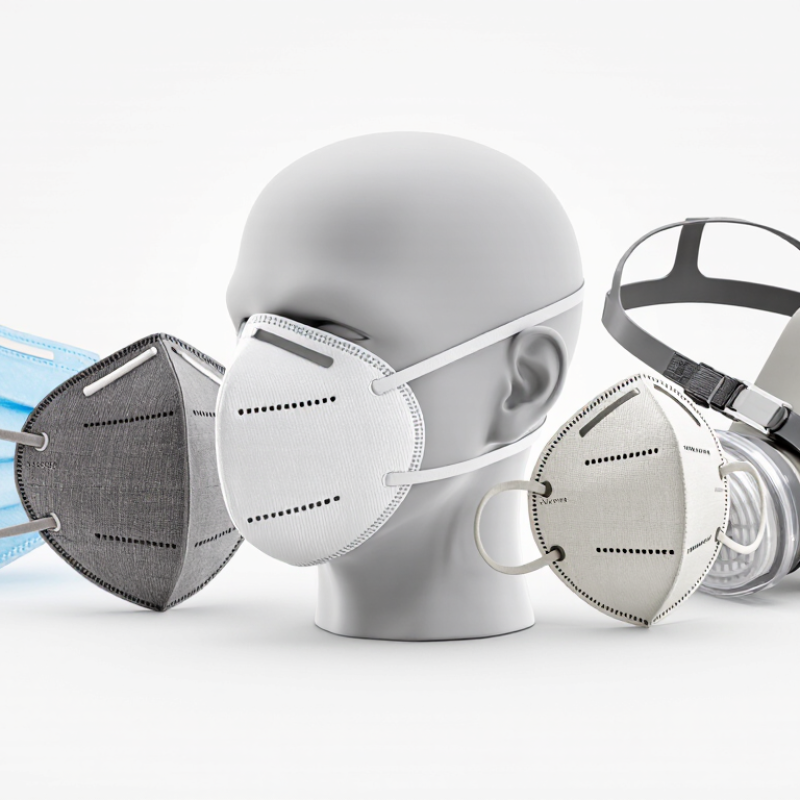
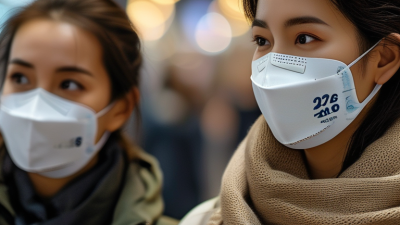
For stronger particle filtration, consider a properly fitted respirator. N95, KN95, and FFP2 models can offer higher protection when they meet recognized standards. Check the packaging, approval markings, and seller reputation before buying. Local certification rules may differ. A respirator should seal around the nose, mouth, and chin. Facial hair, loose straps, or a bent nose wire can weaken that seal. Glasses that fog may signal a fit problem.

Reusable respirators and specialty masks may suit people who need repeated use or particular workplace protection. However, convenience should not replace evidence. Look for clear filtration claims, honest manufacturer information, and replaceable components when applicable. Avoid products promising complete protection. No mask works perfectly.

The best choice depends on exposure, fit, breathing comfort, and correct use. Try speaking, walking, and wearing glasses before deciding. Some masks feel excellent in a shop but become uncomfortable after two hours. That detail is easy to miss. Reliable guidance from public-health agencies and workplace-safety organizations can support a safer purchase. Even experienced shoppers should reassess their choice when conditions, health needs, or mask standards change.

What Are the Top Types of Face Masks to Buy?

What Face Masks Are and How They Work

What Are the Top Types of Face Masks to Buy?

A face mask is a barrier placed over the nose and mouth. It can reduce exposure to respiratory droplets and some airborne particles. Its performance depends on filtration, fit, and correct use. A mask that gaps near the cheeks may offer much less protection than its packaging suggests.

Disposable medical masks usually have several layers. The outer layers help repel droplets, while the middle layer filters smaller particles. They are comfortable for short errands, but loose edges limit their effectiveness. Filtering respirators provide a closer seal and are better suited to dusty or crowded environments. They should feel snug, not painful. Cloth masks can reduce droplets, yet their protection varies widely with fabric, layers, and fit.

Look for clear information about filtration, size, and testing. Adjustable ear loops or a moldable nose area can reduce leakage. Facial hair, glasses, sweat, and frequent touching can weaken the seal. Replace a disposable mask when it becomes damp, dirty, or damaged. Wash reusable masks as directed and inspect the fabric regularly.

The practical choice is not always the highest-rated mask. Comfort affects whether people wear one properly. That detail is easy to underestimate. I have noticed that masks often shift during conversation, especially when the nose wire is weak. Checking the fit in a mirror can reveal gaps, but it cannot prove complete protection. Local health guidance and the mask’s instructions should guide final decisions.

What Are the Top Types of Face Masks to Buy? - What Face Masks Are and How They Work

Mask Type How It Works Typical Protection Best Uses Advantages Important Limitations
Fit-tested particulate respirator
Examples include N95-, KN95-, and FFP2-style respirators
Multiple filter layers capture airborne particles, while a close facial seal reduces leakage around the edges. High protection against airborne particles when the model is genuine, properly fitted, and worn correctly. N95 and FFP2 standards generally specify filtration of at least 95% and 94%, respectively, under their applicable test conditions. Crowded indoor spaces, public transport, healthcare settings, poorly ventilated areas, and situations involving fine particles. Usually offers the strongest everyday respiratory protection among disposable options. Facial hair, poor sizing, gaps, or incorrect positioning can significantly reduce protection. These masks do not replace ventilation or other safety measures.
Surgical or procedure mask A loose-fitting, fluid-resistant outer layer and disposable filter material help block large droplets and splashes. Provides source control and some protection from larger droplets, but the loose fit allows unfiltered air to enter around the sides. Routine short-term use, healthcare interactions, and reducing the spread of respiratory droplets. Lightweight, widely available, and generally easier to breathe through than a tight-fitting respirator. Not designed to create a tight seal and may provide limited protection from small airborne particles.
Multi-layer cloth mask Washable woven or nonwoven layers mechanically filter some particles and help contain exhaled droplets. Performance varies widely with fabric, number of layers, construction, and fit. It is generally less protective than a well-fitting respirator. Low-risk settings, short periods of use, and situations where a reusable covering is preferred. Reusable, washable, and available in many sizes and shapes. Loose weaves, single layers, damp fabric, and gaps can reduce performance. A cloth mask should not be treated as equivalent to a certified respirator.
Elastomeric respirator A reusable rubber-like facepiece forms a seal and uses replaceable particulate filters or cartridges. Can provide high particulate protection when correctly selected, fit-tested, maintained, and used with the appropriate filters. Repeated occupational or high-exposure use where a durable, reusable respirator is appropriate. Durable face seal, replaceable filters, and potentially lower long-term waste than disposable respirators. Requires cleaning, storage, maintenance, and correct filter replacement. Some models with exhalation valves may not provide adequate source control.
Powered air-purifying respirator A battery-powered blower draws air through a filter and supplies filtered air to a hood, helmet, or facepiece. May provide high protection when the complete system is approved, properly maintained, and used according to its instructions. Specialized occupational environments, prolonged use, or situations where reduced breathing resistance is important. Powered airflow can improve comfort and reduce breathing effort compared with some tight-fitting respirators. More expensive and complex; batteries, airflow, filters, cleaning, and training require regular attention.
Transparent or clear-panel mask A transparent panel allows facial visibility while fabric or filter material covers other areas. Protection depends heavily on the design, filtration material, seal, and applicable certification; clear panels may affect breathability and fogging. Communication, education, and interactions where seeing the mouth is important, provided the mask is appropriately tested and fitted. Improves visibility of facial expressions and lip movements compared with opaque masks. Do not assume a clear-panel mask provides respirator-level protection unless it has relevant certification and a reliable seal.

Buying checklist: Choose the highest level of protection appropriate for the setting, prioritize a secure and comfortable fit, check for recognized performance standards where relevant, and replace masks that are damaged, wet, dirty, or difficult to breathe through.

Sheet, Clay, Cream, Gel, and Peel-Off Mask Types

What Are the Top Types of Face Masks to Buy?

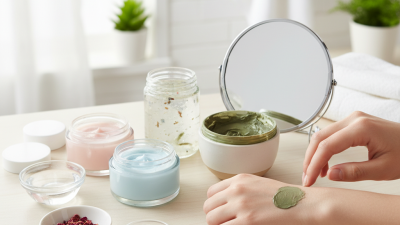
Sheet, clay, cream, gel, and peel-off masks serve different skincare needs.

According to Grand View Research, the global facial mask market was valued at approximately $7.8 billion in 2023. Its report also forecasts strong growth through 2030, partly driven by home-based skincare routines.

Sheet masks offer quick hydration through ingredients such as glycerin, hyaluronic acid, or panthenol. They feel refreshing after travel or a dry indoor day. However, longer wear does not always mean better results. Remove one when it starts drying.

Clay masks suit oily or congested areas because clay can absorb surface oil. Dermatology guidance still favors moderation, especially for sensitive skin.

A cream mask provides richer support for dryness, while a gel mask often feels cooler and lighter.

Circana’s 2024 U.S. beauty industry reporting identified skincare as a major contributor to prestige beauty growth, showing continued interest in targeted routines. The data supports demand, not automatic effectiveness.

Peel-off masks are different. Their film can lift loose flakes and surface debris, but pulling may irritate fragile skin. Avoid them over active breakouts, eczema, or freshly shaved areas. Patch testing remains sensible.

In my own routine, I sometimes choose a clay mask for the whole face, then regret the tight feeling later. A better approach is applying it only around the nose and forehead.

Check the ingredient list, follow the stated wear time, and judge comfort the next morning. Skin can look temporarily smoother without being healthier.

Specialized Masks for Hydration, Purification, and Exfoliation

What Are the Top Types of Face Masks to Buy?

Hydrating masks help skin feel softer, especially after cold weather or long flights. Look for humectants such as glycerin, hyaluronic acid, or aloe. These ingredients attract water toward the skin’s surface. Cream and gel formulas can both work well. Choose a lighter gel for oily skin and a richer cream for dryness. I have occasionally left a mask on too long, expecting better results. My skin only felt tighter afterward. Follow the stated wear time instead.

Purifying masks are useful when skin feels greasy or congested. Clay can absorb excess oil from the surface. Charcoal may also reduce the feeling of heaviness after a sweaty day. However, “detox” is often an overstated claim. These masks do not remove toxins from the body. Use them mainly on oily areas, such as the forehead and nose. Avoid applying them to cracked, irritated, or freshly shaved skin.

Exfoliating masks loosen dead surface cells and improve skin texture. Options include mild acids, fruit enzymes, or very fine physical particles. Chemical exfoliants can feel smoother, but they still require caution. Start once weekly and avoid combining them with several strong products. Patch test first. Stop if burning continues. Skin can look brighter after exfoliation, yet redness is not proof of effectiveness. A careful routine may feel slower, but it is usually easier to trust.

How to Choose a Face Mask for Your Skin Type

What Are the Top Types of Face Masks to Buy?

Your skin type should guide the mask, not a viral trend. For oily or combination skin, choose a clay mask with kaolin or bentonite. Apply it mainly to the forehead, nose, and chin. Avoid letting it dry until it cracks. That can increase tightness and irritation. Dry skin usually prefers cream or sleeping masks with glycerin, ceramides, or hyaluronic acid. These ingredients support hydration without aggressive exfoliation. Grand View Research valued the global face mask market at roughly USD 2 billion in 2023, showing strong consumer demand. Bigger demand does not guarantee a better formula.

Sensitive or redness-prone skin needs a shorter ingredient list. Try a fragrance-free gel mask with soothing ingredients such as colloidal oatmeal or panthenol. Sheet masks can add temporary moisture, but they are not automatically gentle. Check alcohol, essential oils, and exfoliating acids before use. The American Academy of Dermatology recommends testing new skincare products on a small area first. Leave the test area alone for 24 hours. I used to assume a cooling sensation meant effectiveness. It sometimes meant irritation instead.

Acne-prone skin may tolerate a salicylic acid mask once weekly. Do not combine it with strong retinoids or scrubs on the same night. The Cosmetic Ingredient Review evaluates cosmetic ingredients through published safety assessments, but individual reactions still vary. Patch testing is imperfect. Skin changes with weather, stress, and medication. Choose the gentlest option that meets your current need.

Safe Application, Wear Time, and Mask Care

Choosing among face masks depends on fit, exposure, and how carefully you can maintain them. Certified respirators, such as N95-type models, usually offer stronger filtration than medical or cloth masks. The CDC and NIOSH report that properly fitted N95 respirators filter at least 95% of airborne particles.

A medical mask remains useful for source control, while a reusable cloth mask may suit low-risk daily settings. Fit matters most. Check that air does not leak around the nose, cheeks, or chin. Facial hair can weaken the seal.

Wash your hands before handling any mask. Touch the ear loops or straps, not the front panel. Wear a disposable mask only while it stays clean, dry, and intact. Replace it sooner if breathing becomes difficult.

The World Health Organization advises changing a mask when it becomes damp or visibly dirty. Do not wash single-use masks or share them. For reusable masks, follow the care label and wash them after each day of use. Respirators should not be washed unless their instructions specifically allow it.

Store a clean mask in a dry, breathable container, not loose beside keys or cosmetics.

A 2023 Cochrane review found that mask-study results remained uncertain because adherence and study designs varied. That finding deserves honesty, not dismissal.

I have sometimes focused too much on filtration numbers and overlooked comfort, fit, and consistent wear. A mask left at home offers no protection.