Why Choose Face Mask Cream for Your Beauty Brand?
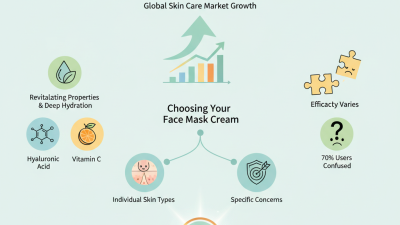
Face Mask Cream is moving beyond occasional pampering. It now combines treatment, texture, and sensory appeal in one visible format. Grand View Research estimated the global facial mask market at approximately USD 4.5 billion in 2023, with continued growth projected through 2030. Its analysis reflects rising demand for hydration, brightening, and convenient at-home skincare.
The opportunity is tangible. A creamy mask spreads easily across cheeks, feels rich under warm bathroom light, and supports memorable product rituals. Cosmetic chemist Perry Romanowski often reminds formulators, “A cosmetic only works when people use it consistently.” That principle matters here. Comfortable application, easy removal, and clear instructions can influence repeat use more than dramatic promises.
Formulation still requires discipline. Brands should validate preservative protection, skin compatibility, ingredient stability, and packaging performance before making claims. Mintel’s beauty research has repeatedly highlighted consumer interest in efficacy and transparency, not vague luxury language. However, market forecasts are not guarantees. A crowded shelf can expose weak differentiation quickly. Some consumers may also question whether a mask offers more value than a daily moisturizer.
That doubt is useful. It encourages brands to test real routines, collect consumer feedback, and measure results responsibly. A credible Face Mask Cream should show what it contains, explain who should use it, and avoid unsupported medical claims. When science, sensory experience, and honest communication meet, the product can earn trust rather than simply attract attention.
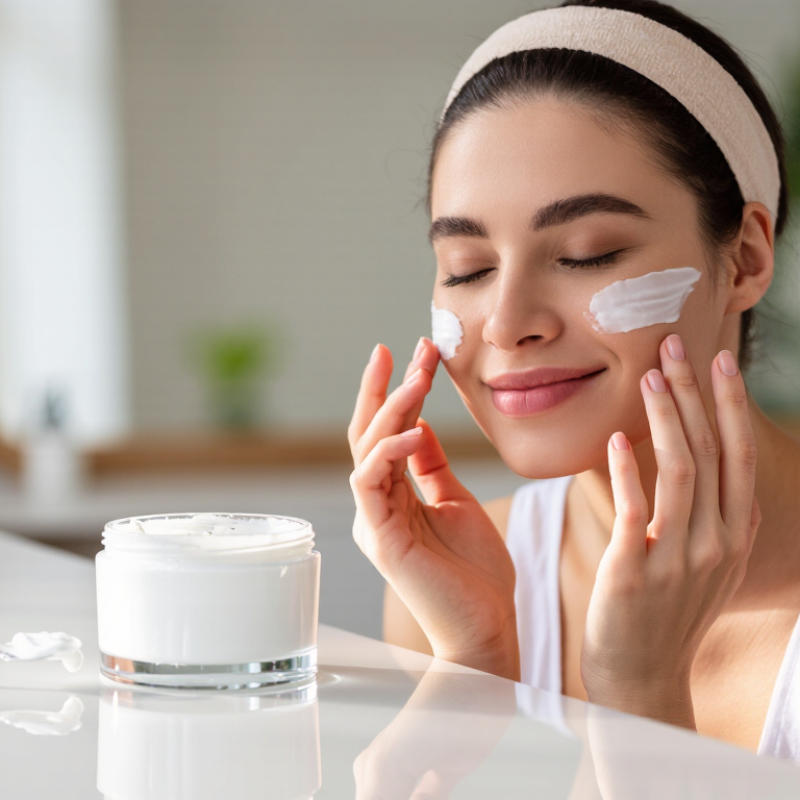
Face mask cream is a concentrated skincare format designed for targeted, occasional use. It usually has a rich emulsion texture that spreads directly onto clean skin. Unlike a daily cream, it is not always intended for repeated morning and evening application. Its formula may provide a more intensive moisturizing, soothing, or cleansing experience, but “stronger” is not automatically better.
Cream masks can be rinse-off products or overnight treatments. The instructions should decide the contact time. A moisturizer stays on the skin and supports routine hydration.
A sheet mask uses a fabric or bio-cellulose layer soaked with a liquid essence. Face mask cream needs no sheet. It can be applied in a controlled layer, adjusted around the nose, cheeks, or jawline. Less material touches the face. That feels practical.
Texture matters in product development. A formula that feels smooth in the jar may become greasy, difficult to rinse, or prone to pilling. Small details matter, such as spatula hygiene, fragrance intensity, and residue after removal. Stability testing, preservative checks, and consumer patch testing help confirm reliability. The category is not perfectly defined. Some products sit between a rich moisturizer and a true mask, which may confuse shoppers. Clear directions and realistic claims are therefore essential for a beauty brand choosing this format.
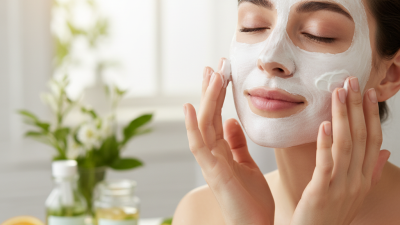
Grand View Research reports a 5.2% CAGR for the face mask market through 2030. This growth signals stronger interest in convenient, at-home skincare routines. Face mask cream fits this demand with a familiar texture and controlled application. Users can spread it with their fingers, wait briefly, and rinse or remove it easily. In product development, this format also supports clear ingredient stories and flexible packaging choices. However, market growth does not guarantee product success. Texture, scent, drying time, and skin comfort still shape repeat purchases.
A reliable formula should match its intended skin feel. Creams may suit consumers who prefer a soft, less messy application. Brands should evaluate stability, preservation, packaging compatibility, and user feedback during testing.
Claims must remain accurate and supported by suitable evidence. Avoid promising dramatic results without credible testing. The 5.2% projection is useful context, not a substitute for customer research.
Market reports can use different categories, regions, and definitions, so teams should review the original methodology carefully. That step is easy to overlook.
Tips: Test small batches with varied skin types. Record feedback after application and removal. Check whether the mask feels heavy or dries unevenly. Use straightforward instructions and transparent ingredient information. Review local cosmetic requirements before launch. A simple formula may perform better than an overloaded one.
Cosmetics Europe reported €88 billion in EU beauty sales in 2023. This figure shows a large, active market with strong skincare demand. It also raises the competition bar. A face mask cream can offer a clear use moment within this crowded category. Consumers apply it after cleansing, then notice texture, comfort, and visible hydration. The experience feels more deliberate than a daily lotion.
McKinsey’s 2023 beauty report projects the global beauty market could reach about $580 billion by 2027. That outlook supports investment in focused, multifunctional skincare formats. Face mask creams can combine intensive moisture with a simple weekly ritual. They may suit dry, tired, or environmentally stressed skin. However, “more intensive” should not mean heavier or harder to remove.
Formulation teams should test rinse-off feel, residue, fragrance sensitivity, and packaging hygiene. A cream that separates in a warm bathroom can quickly damage consumer trust. Ingredient claims also require careful evidence and compliant wording. Cosmetics Europe guidance and regional regulations should inform every product statement.
The format still has weaknesses. Some consumers may forget weekly use, while others prefer faster routines. Overpromising overnight results can create disappointment. Small usability details matter: a clean scoop, clear directions, and a smooth spread across the cheeks. These details do not replace clinical testing. They make credible testing easier to experience.
Cream textures give a face mask a flexible role in a modern skincare range. They can address dryness, dullness, uneven texture, and visible fatigue in one thoughtful format. That flexibility supports multi-concern positioning without making the product feel confusing or excessive.
In product development, a cream mask can carry richer ingredients while remaining comfortable on the skin. Humectants may support hydration, while emollients help create a soft, cushioned finish. Clay, botanical extracts, or gentle exfoliating ingredients can add focused benefits when used at suitable levels. Texture matters too. A smooth cream that spreads evenly feels more refined than a formula that drags or separates.
Small details build premium perception. A clean jar, measured scoop, and clear usage directions can improve the routine. Still, premium does not mean complicated. Consumers often prefer a ten-minute application after a long day. That is practical.
Reliable development requires more than attractive claims. Stability testing, preservative checks, packaging compatibility, and consumer feedback help confirm product performance. Claims should match evidence and local cosmetic requirements. I have also found that one formula cannot satisfy every skin preference. Some users want a lighter feel, while others expect a rich layer. That limitation deserves honest attention. Testing across different skin types and climates can reveal weaknesses before launch, even when early samples seem promising.
Face mask cream combines a familiar cream texture with a concentrated treatment ritual. Cosmetics Europe reported that European cosmetics and personal care retail sales reached about €96 billion in 2023. That scale signals opportunity, but it also raises quality expectations. A smooth jar is not enough.
Launch preparation should begin with ISO 22716 principles. The standard covers hygiene, personnel, production controls, storage, and documentation. It does not replace local legal review or automatically prove product safety. Every batch needs traceable records, including raw-material checks and packaging inspection. Small gaps become expensive later.
Stability testing should examine heat, light, humidity, freeze-thaw cycles, and container compatibility. ISO/TR 18811:2018 recommends a product-specific scientific approach rather than one universal schedule. Testing at 40°C can reveal separation, odor changes, or weakened texture, but real-time data remains important. I would not treat an attractive laboratory sample as launch evidence.
Claims also need measurable support. “Hydrating” may require controlled consumer or instrumental testing, while “reduces visible lines” needs stronger design and defined endpoints. The European Commission’s 2023 report on cosmetic claims stresses evidence, truthfulness, and consumer protection. Avoid promising instant transformation. It sounds persuasive, yet it can undermine trust. A practical dossier should connect each claim to a test, method, result, and review date. / word count 210