



Are those tea containing skincare products deceiving people?
In daily life, many advertisements emphasize that their products contain tea ingredients, which is particularly common in skincare products.
Are these tea ingredients really effective or just a gimmick?
Listen to Zhu Zhu talk about the functions of tea ingredients in skincare products.
1. Tea saponin
Tea saponin, also known as "oil tea saponin", is characterized by its ability to foam, lubricate, and has antioxidant, anti-inflammatory, and antibacterial effects. It is widely used in fields such as food, medicine, and daily chemical industry.
In addition to common anti-inflammatory and antibacterial effects, experiments have also shown that tea saponin has whitening effects.
The principle is that it has obvious inhibitory effect on "tyrosinase", one of the substances that cause the accumulation of melanin in human skin. In addition to its natural antioxidant and antibacterial effects, tea saponin is considered as a safe whitening ingredient and can be used in skin care products such as essence and face cream.
In addition, tea soap extract is often used in shampoo and has the effect of reducing dandruff and itching.
2. Tea polyphenols
Tea polyphenols are a natural antioxidant with higher antioxidant activity than vitamin C and vitamin E.
Antioxidant, also known as anti free radical, excessive free radicals can cause wrinkles, hardening, and loss of elasticity in the skin. Therefore, tea polyphenols can have the effect of preventing wrinkles and maintaining skin elasticity.
Tea polyphenols can protect hyaluronic acid in the skin and provide moisturizing effects, while the hydroxyl groups in tea polyphenols also have good moisturizing properties.
Due to its antioxidant and moisturizing properties, as well as its safety, health, and absence of side effects, tea polyphenols are now commonly found in skincare ingredient lists.
In addition, theaflavin, thearubin, and theafuscin in tea polyphenols are natural colorants with bright color and good coloring effect. They are safe and harmless, and can be added into cosmetics as raw materials, such as eye shadow, lipstick, etc.
3. Theanine
At present, a derivative of theanine has been found to have certain therapeutic effects on acne.
In addition, theanine also has antioxidant, anti-aging, and moisturizing effects, but its effects are not as good as tea polyphenols and its use is also limited.
Theanine has significant sedative, anti fatigue, and anti anxiety effects, and can improve sleep quality.
Although theanine is not widely used in the field of skincare, from the perspective of promoting better sleep, long-term tea consumption does have beauty benefits.
4. Tea seed oil
Tea seed oil is safe and natural, not easily oxidized or spoiled, and has good affinity with the skin. Like almond oil, olive oil, etc., tea seed oil can also be used in skincare products.
Tea seed oil contains various vitamins and saponins that can kill bacteria and reduce inflammation. It is used as a hair care essential oil, which not only nourishes hair but also inhibits bacteria and relieves itching.
In ancient times, there was a practice of applying tea seed oil to hair, which could make it soft, smooth, black, and shiny, evoking people's admiration for folk wisdom.
Experiments have shown that tea seed oil has good UV absorption ability, and adding tea seed oil to sunscreen has a better sun protection effect.
Tea has always been popular in the field of beauty and skincare products. Different products have been developed based on different types of tea, with green tea and white tea being the most popular.
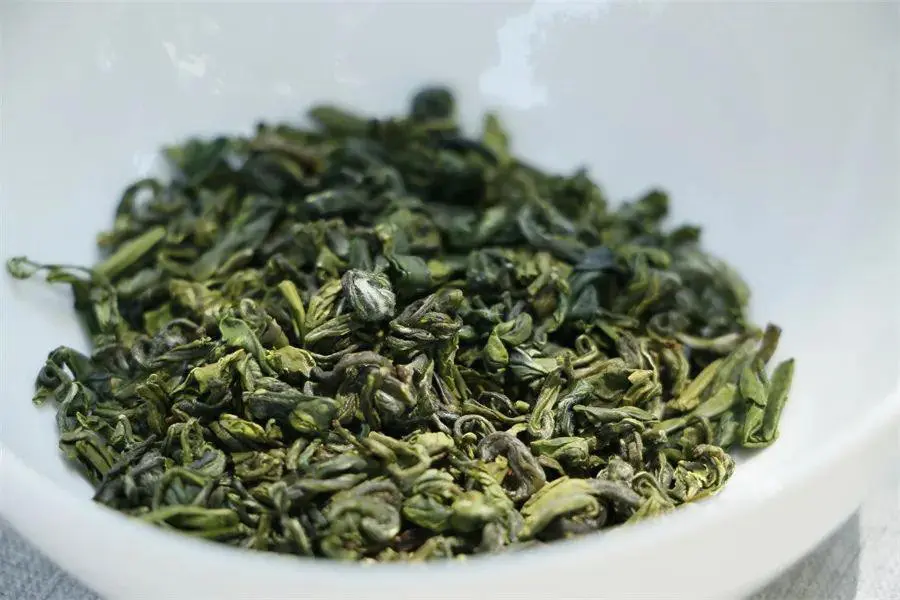
For example, some brands use green tea ingredients in water emulsion to replenish water and refresh, while others add it to essence and face cream for antioxidant effect.
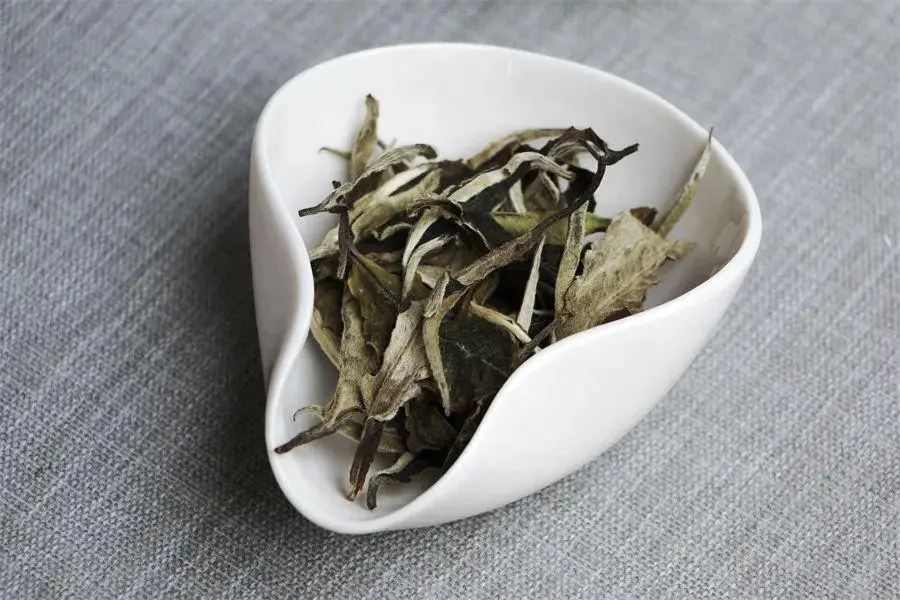
White tea has a good sedative and anti-inflammatory effect. Products containing white tea ingredients are commonly white tea body milk and lotion added with extract of pekoe silver needle.
Have you ever used cosmetics containing tea ingredients? How effective is it?