




The More You Apply, The More You Age? Why Less Is Now The Anti-Aging Secret
For the past decade, the skincare industry has sold us a simple equation: more = better.
More steps. More active ingredients. More layers. More money. The 10-step Korean routine became gospel. Retinol here, vitamin C there, exfoliating acids three times a week, barrier serums, peptide creams, slugging, "glass skin" — each new trend demanding yet another product on your shelf.
But something shifted in 2026. And the industry is finally admitting what dermatologists have been saying for years: you're probably doing too much.
The "Overdosed" Epidemic: What Happens When You Do Too Much
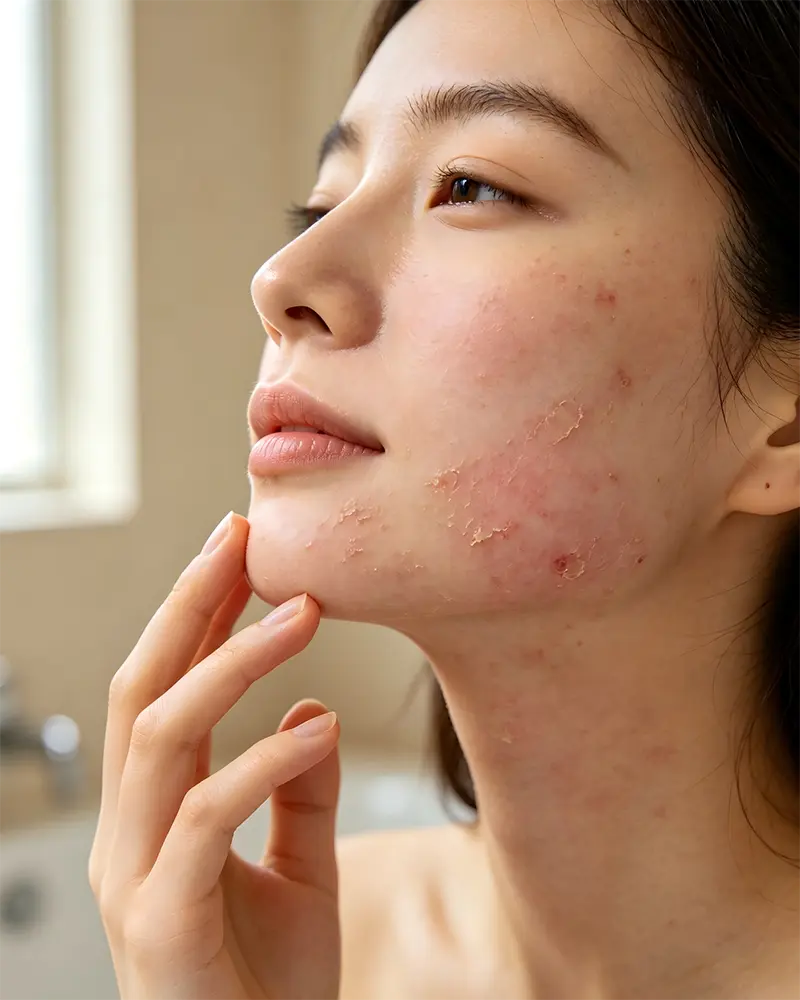
The damage is real. Dermatologists are now seeing an alarming rise in patients with what they call "overdosed" skin —chronic barrier dysfunction presenting as persistent stinging, burning, and new sensitivity to products once tolerated without issue.
Nerissa Prieto, MD, a dermatologist interviewed by Dermatology Times, describes the most damaging trend she's witnessing: "The 'more actives, better results' mentality, where patients layer multiple high-strength ingredients—tretinoin, vitamin C, glycolic acid, benzoyl peroxide—all introduced simultaneously without regard for barrier integrity."
The result? What she calls "angry" skin —constant low-grade inflammation, hypersensitivity, compromised barrier proteins, increased transepidermal water loss, and microbiome dysbiosis.
Social media made it worse. Aggressive multi-step routines are promoted as universally beneficial, when in reality they're "causing widespread barrier dysfunction, especially in rosacea and sensitive skin patients." The misconception that visible peeling equals effective treatment is particularly concerning.
The Data Speaks: Consumers Are Walking Away
Market research confirms the shift is not just clinical—it's cultural.
According to Mintel, the global cosmetics industry is on the cusp of a major transformation. The message is clear: "The anti-ageing era is over."
Consumers are rejecting the fear-based language that has long characterized the beauty industry. "Anti-ageing seems outdated and negative. It no longer corresponds to the concept of beauty," Mintel states.
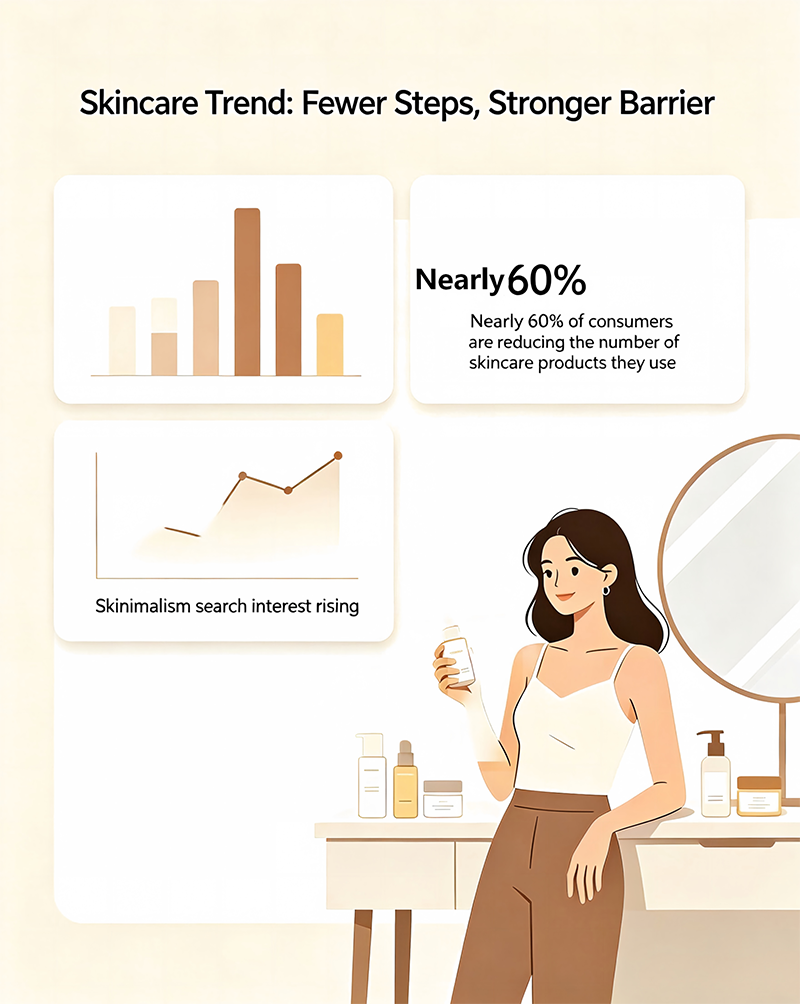
What are they embracing instead? "Skinimalism" —simplicity as the new standard. After years of complex skincare routines, consumers are scaling back and turning to multifunctional products: fewer steps, fewer products, clear roles, greater efficiency.
The trend is echoed in the rise of "Slow Beauty" —a movement where the focus isn't on instant gratification, but on how your skin will look and function years from now. Patients are "stepping away from chasing every new thing and instead investing in fewer, smarter, physician-guided treatments that prioritize long-term skin health."
The Paradox: Even "Barrier Repair" Can Be Too Much
Here's the irony: the pendulum swung so hard from "exfoliate everything" to "repair the barrier" that we may be over-repairing too.
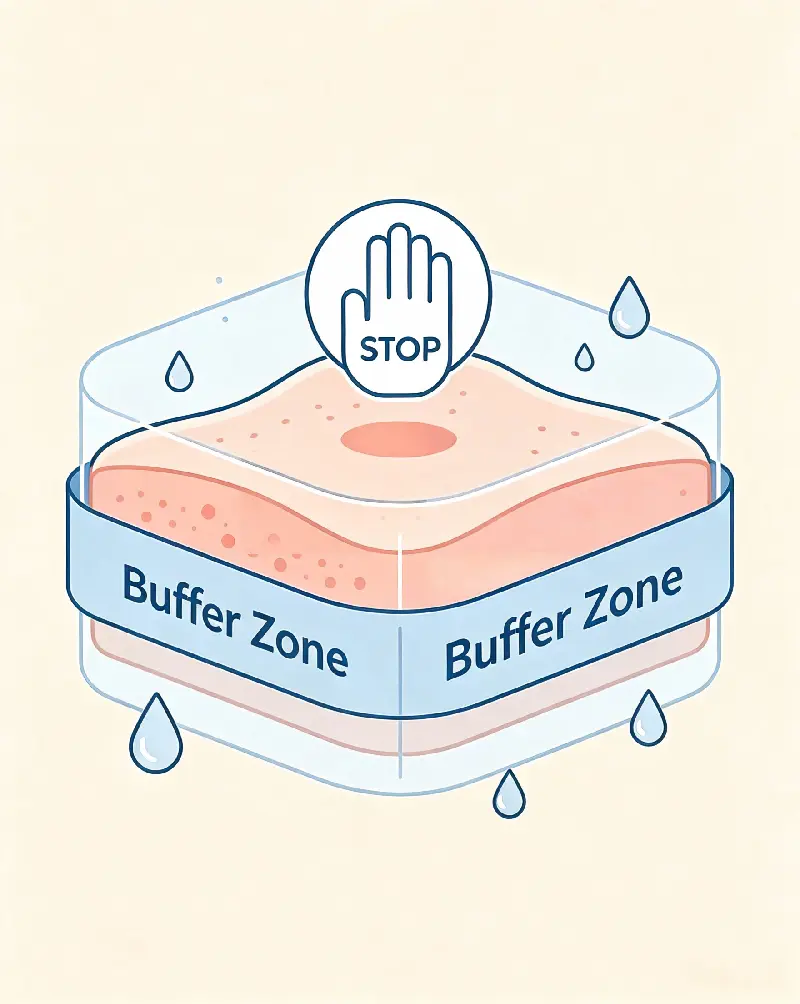
Aesthetician Sofie Pavitt recently flagged an alarming trend on social media: an unusual number of clients presenting with perioral dermatitis and irritated skin. The common thread? They weren't using exfoliating acids or retinols. Instead, it was "routines with multiple 'barrier support' products" —ceramide serums, peptide creams, milky toners, slugging balms, all layered together.
The ingredients—ceramides, peptides, fatty acids—"on paper look great for the skin," Pavitt notes. But when used excessively, they may actually cause irritation.
Board-certified dermatologist Dr. Hadley King points out another issue: layering products increases penetration of everything applied underneath, which can lead to irritation—even from normally beneficial ingredients like niacinamide, which can cause problems at concentrations above 5%.
As dermatologist Dr. Corey L. Hartman puts it: "You really only need to be using one product specifically designed to help boost the health of your skin barrier."
The New Science: From Anti-Aging to Skin Longevity
So what does "less is more" actually look like?
2026's informed consumer no longer asks how many products to use. They understand skin concepts: barrier health, inflammation, pH, absorption, and skin longevity.
According to industry analysis from In-Cosmetics, the shift isn't rejecting minimalism—it's evolving it. Skincare is now seen as a broader health and lifestyle context, not just cosmetic correction.
The emerging approach, summarized by Mintel, is "Clinical Longevity for the Skin" : instead of erasing the passage of time, consumers want skin that "functions better and for longer, is resilient and regenerative, and is supported at a cellular level."
Products must therefore "achieve more with less." Efficiency becomes the new luxury.
How to Actually Simplify (Without Losing Results)
If your skin is sensitized or irritated, the experts agree on the protocol.
Prieto's "radical simplicity" approach:
-
Eliminate all actives and harsh cleansers.
-
Use only cool water or gentle micellar water.
-
Apply a soothing serum with growth factors and niacinamide to calm inflammation.
-
Layer with a ceramide-containing moisturizer.
Then, she says: "Wait until your skin feels stable and 'normal' before introducing anything new. Add only one product at a time with at least four weeks between additions."
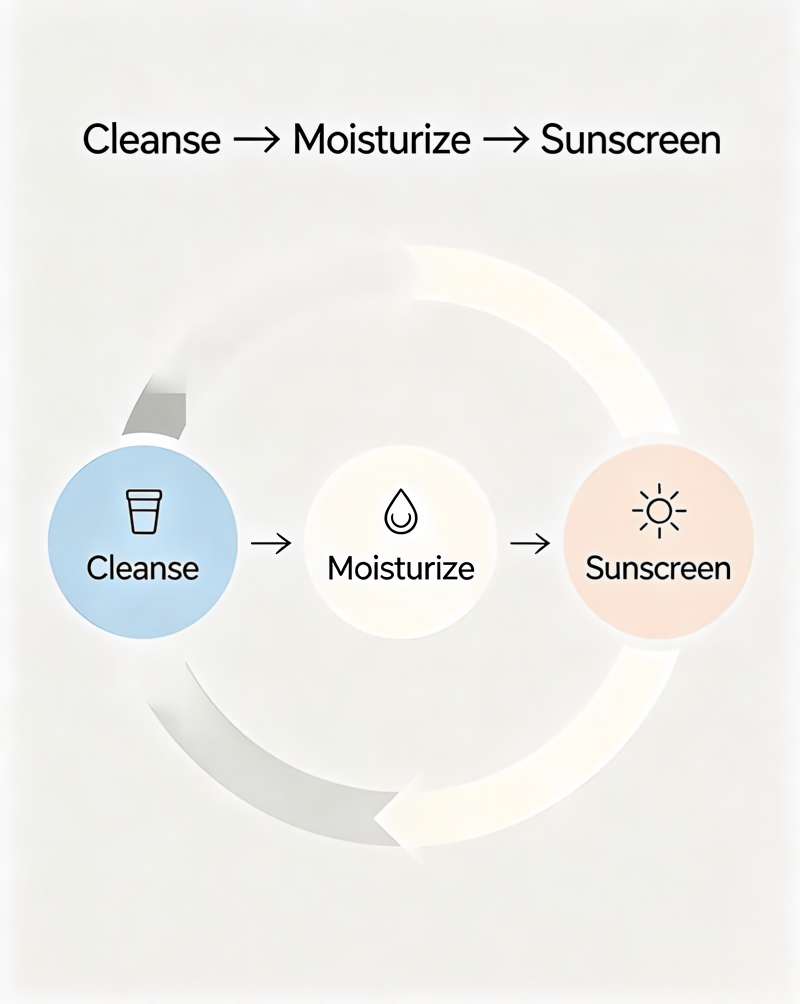
The rule of thumb from facialist Jess Bowers: "Cleanse, tone, moisturize. As long as you're doing these three steps, your skin barrier should be intact."
The Bottom Line
"The goal isn't to use the most products or the highest percentages, but to maintain a healthy, comfortable skin barrier that functions naturally with minimal intervention." — Dr. Nerissa Prieto
The "more is more" era is ending. 2026's anti-aging secret isn't a new ingredient or a miracle cream. It's subtraction.
Your skin doesn't need constant management of irritation, buffering, sandwiching, or careful timing to avoid discomfort. If your routine requires that, it's likely too aggressive.
The most advanced skincare strategy right now? Giving your skin the space to do what it already knows how to do: heal itself.
Because sometimes, the most powerful thing you can apply is restraint.
Want to build a truly simplified, barrier-first routine? Check our curated collection of clinically proven, multifunctional essentials—designed for skin that deserves a break.