





PDRN (Sodium DNA): A Cross-Disciplinary Ingredient from Regenerative Medicine to Skincare Science
A Bioactive Ingredient Rooted in Regenerative Medicine
PDRN is not a newcomer to therapeutic applications. In 1994, PDRN received approval from the Italian Medicines Agency (AIFA) for the treatment of superficial wounds, skin ulcers, and dystrophic connective tissue diseases. Following decades of clinical application, PDRN has amassed a substantial body of evidence-based medical validation in the realm of wound healing and tissue regeneration. Preclinical and clinical studies indicate that PDRN promotes angiogenesis, modulates the inflammatory cytokine profile, and accelerates tissue repair processes. These mechanisms significantly improve the healing rates of diabetic foot ulcers, pressure ulcers, and venous leg ulcers, while also expediting epithelial regeneration in skin graft donor sites and corneal wounds.
The regenerative mechanism of PDRN operates through two synergistic pathways. First, the degradation of PDRN extracellularly produces adenosine, which activates the adenosine A₂A receptor, initiating a signaling cascade that promotes angiogenesis and anti-inflammatory responses. Second, PDRN fragments entering the cell provide substrates for the nucleotide salvage pathway, supporting DNA repair and cellular proliferation. This dual mechanism endows PDRN with unique bioactivity in promoting fibroblast proliferation, collagen synthesis, and the improvement of tissue microcirculation.
From Repair to Rejuvenation: Unlocking the Skincare Potential of PDRN
Recent research has increasingly focused on the application potential of PDRN in aesthetic dermatology. A 2025 review published in Applied Sciences highlighted PDRN's positive effects in improving wrinkles, dryness, hyperpigmentation, hair loss, and skin barrier dysfunction. Furthermore, a systematic review published in The AESTHETICS in the same year revealed that PDRN exerts a direct anti-melanogenic effect by inhibiting tyrosinase activity and downregulating the expression of genes involved in melanin synthesis. Concurrently, it indirectly improves skin tone uniformity by regulating the expression of collagen and elastin.
The core anti-aging mechanisms of PDRN are evident at multiple levels. At the molecular level, PDRN inhibits the activity of matrix metalloproteinase-1 (MMP-1) and elastase—enzymes that play a critical role in skin aging and wrinkle formation. At the cellular level, PDRN promotes fibroblast proliferation and upregulates the expression of genes related to the extracellular matrix (such as COL1A1, COL5A1, and ELN), thereby enhancing the skin's structural support and elasticity.
For skincare brands looking to bring these clinically validated benefits to market, PDRN can be formulated into sheet masks, serums and creams through OEM/ODM manufacturing — from low-MOQ sampling to full-scale private label production, our factory supports the entire process.
Sustainable Innovation: Plant-Derived PDRN as a New Frontier
While traditional PDRN is predominantly sourced from fish tissues, the pursuit of sustainable development has spurred research into plant-derived PDRN as an emerging trend. A 2025 study published in the International Journal of Molecular Sciences proposed that low-molecular-weight PDRN extracted from peony (Paeonia lactiflora) demonstrated excellent performance in promoting skin cell proliferation and migration, upregulating extracellular matrix gene expression, and reducing reactive oxygen species (ROS) levels. Clinical trials revealed that topical application of low-molecular-weight peony PDRN for two weeks significantly reduced transepidermal water loss (TEWL) and enhanced barrier repair function; after four weeks, a notable improvement in periorbital skin elasticity was observed.
Additionally, PDRN extracted from plants such as brown algae (Laminaria japonica) and oriental arborvitae (Platycladus orientalis) has entered the research and development stage. These plant-derived PDRNs exhibit efficacy comparable to traditional sources in terms of fibroblast proliferation, anti-inflammation, moisturization, and barrier repair, offering formulators cleaner and more sustainable ingredient options. The year 2025 also marked a significant milestone with the introduction of rPDRN (recombinant PDRN), signaling a paradigm shift in PDRN production from extraction to biosynthesis.
Industry Standards and Regulatory Frameworks Mature
As the application of PDRN in cosmetics expands, the establishment of industry standards has progressed in tandem. In March 2025, the group standard Cosmetic Ingredient—Sodium DNA (T/SDCIA 1019—2025) was officially published and implemented. This standard specifies technical requirements, testing methods, inspection rules, and labeling and packaging guidelines for Sodium DNA derived primarily from male fish testes. The introduction of this standard provides an industry benchmark for the production, inspection, and sale of PDRN raw materials, fostering a healthier and more orderly market development.
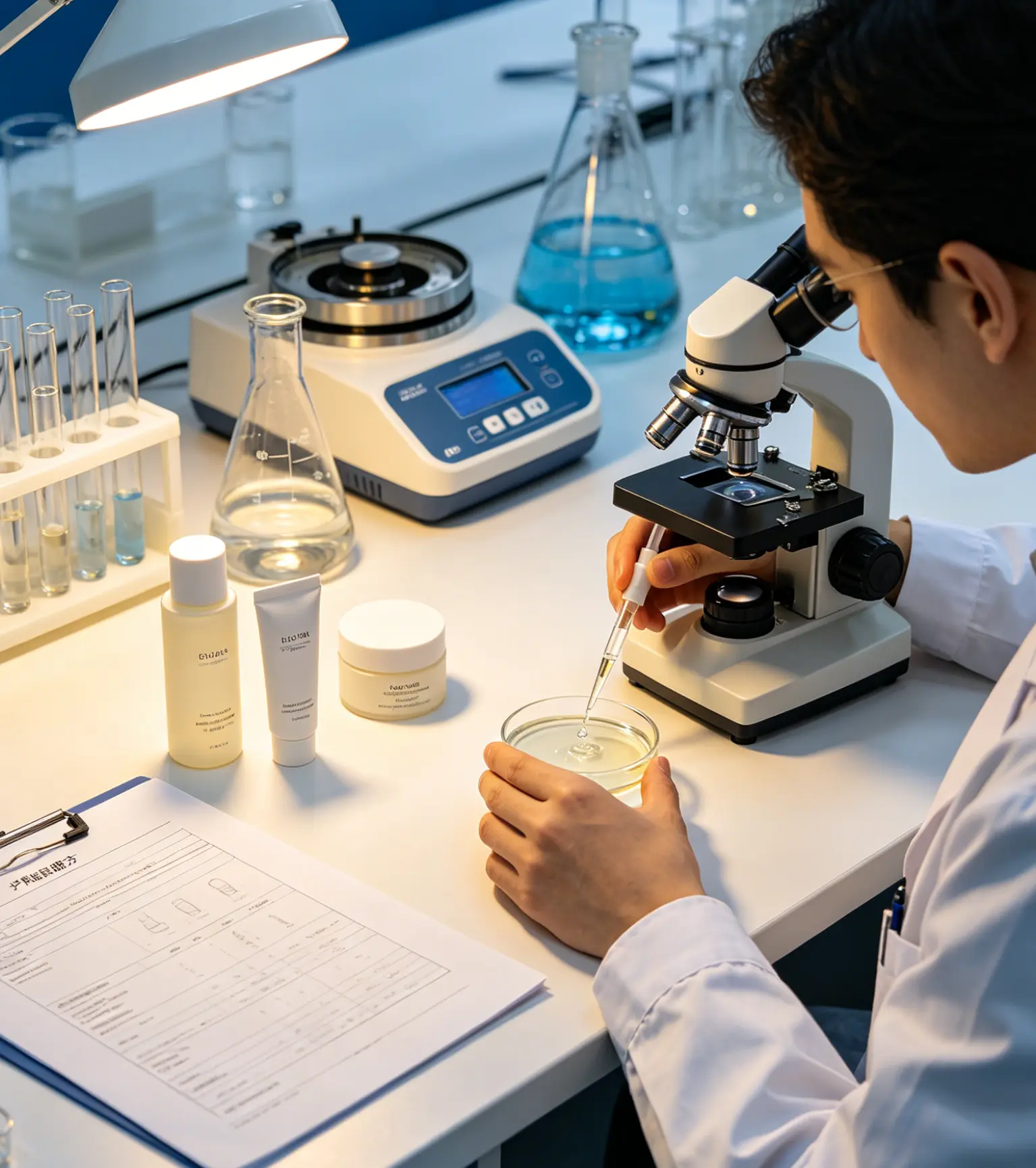
Surging Market Momentum
The market growth trajectory of PDRN is remarkable. According to data from Chenyu Information Consulting, the global PDRN market was valued at approximately RMB 180 million in 2023 and is projected to reach RMB 3 billion by 2030, reflecting a robust compound annual growth rate (CAGR) of 43% from 2024 to 2030. Other market reports estimate the global cosmetic-grade PDRN market at approximately USD 32.8 million in 2024, with expectations to reach USD 662.5 million by 2032, at a CAGR of 43.3%. This strong momentum underscores the growing recognition of PDRN as a high-value functional ingredient in the global skincare industry.
Outlook: The Next Decade of PDRN
From regenerative medicine to skincare science, PDRN, with its unique bioactive mechanisms and clinically validated efficacy profile, is establishing itself as a pivotal bridge ingredient connecting the medical and aesthetic domains. With ongoing breakthroughs in plant-derived PDRN and recombinant PDRN technologies, coupled with the continuous refinement of industry standards and regulatory systems, the application boundaries of PDRN are poised for further expansion. Whether serving as a trusted ingredient for post-procedural recovery or as a core efficacy component in daily anti-aging skincare regimens, PDRN demonstrates immense potential. It is foreseeable that this scientifically profound and commercially expansive ingredient will continue to lead the wave of innovation in the fields of skin regeneration and anti-aging over the coming decade.
Related PDRN Products
- 5D Collagen Infusion Mask with PDRN & Peptides
- Salmon DNA PDRN Pink Collagen Mask
- Salmon DNA PDRN Collagen Serum
Want to develop your own PDRN skincare line? We are a certified OEM/ODM manufacturer with 15+ years of biotech experience. Request a free quote