

Ingredient Science & Delivery Technology




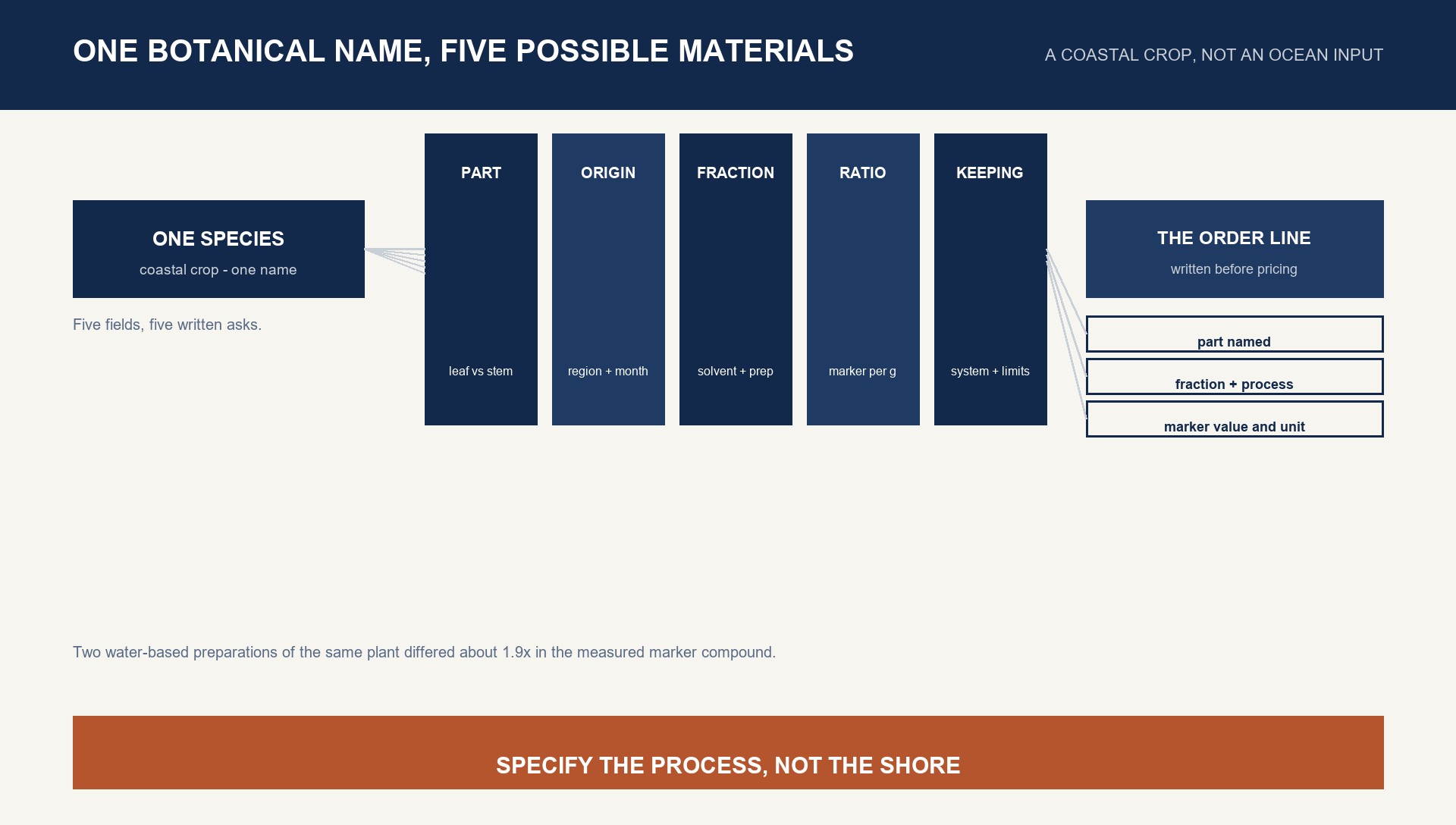
Sea Fennel Extract: Five Specification Fields Before the First PO
A coastal botanical is a crop, not an ocean story. One species name can cover five different materials, and the difference sits in five fields - plant part, harvest geography and season, solvent and preparation, extract ratio, preservation. Fill them before you ask for a price.
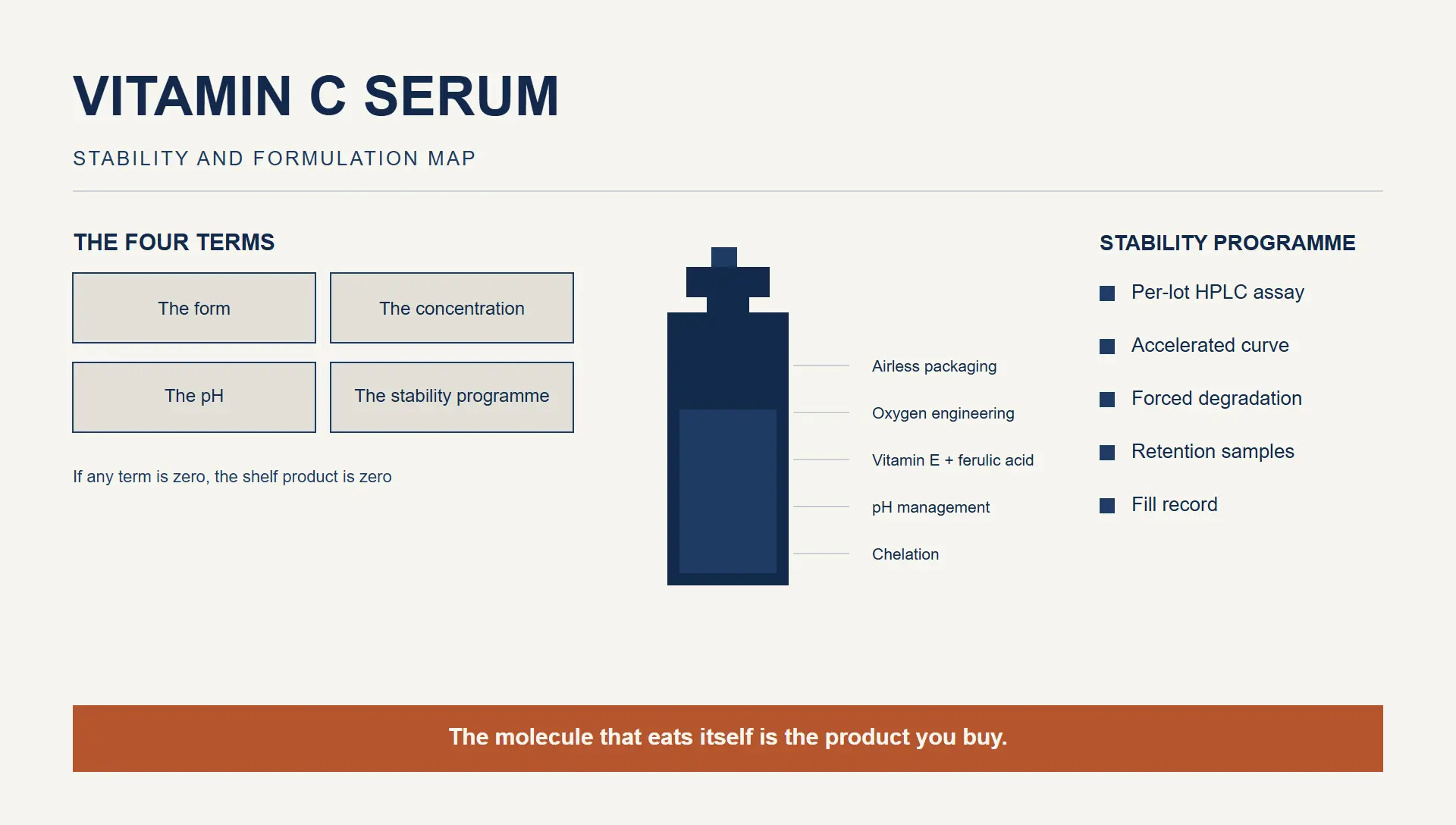
Vitamin C Serum Benefits for Skin: Stability and Formulation Guide
A vitamin C serum is the one product category where the active ingredient can be perfectly specified on paper and still fail on the shelf. This guide is written for the buyer who signs the purchase order: the three form families and what the form decision actually costs, the failure modes that turn a stable formula into an orange, degraded one, the formulation protection stack layer by layer, and the stability program you must demand in writing before any sample is paid for.
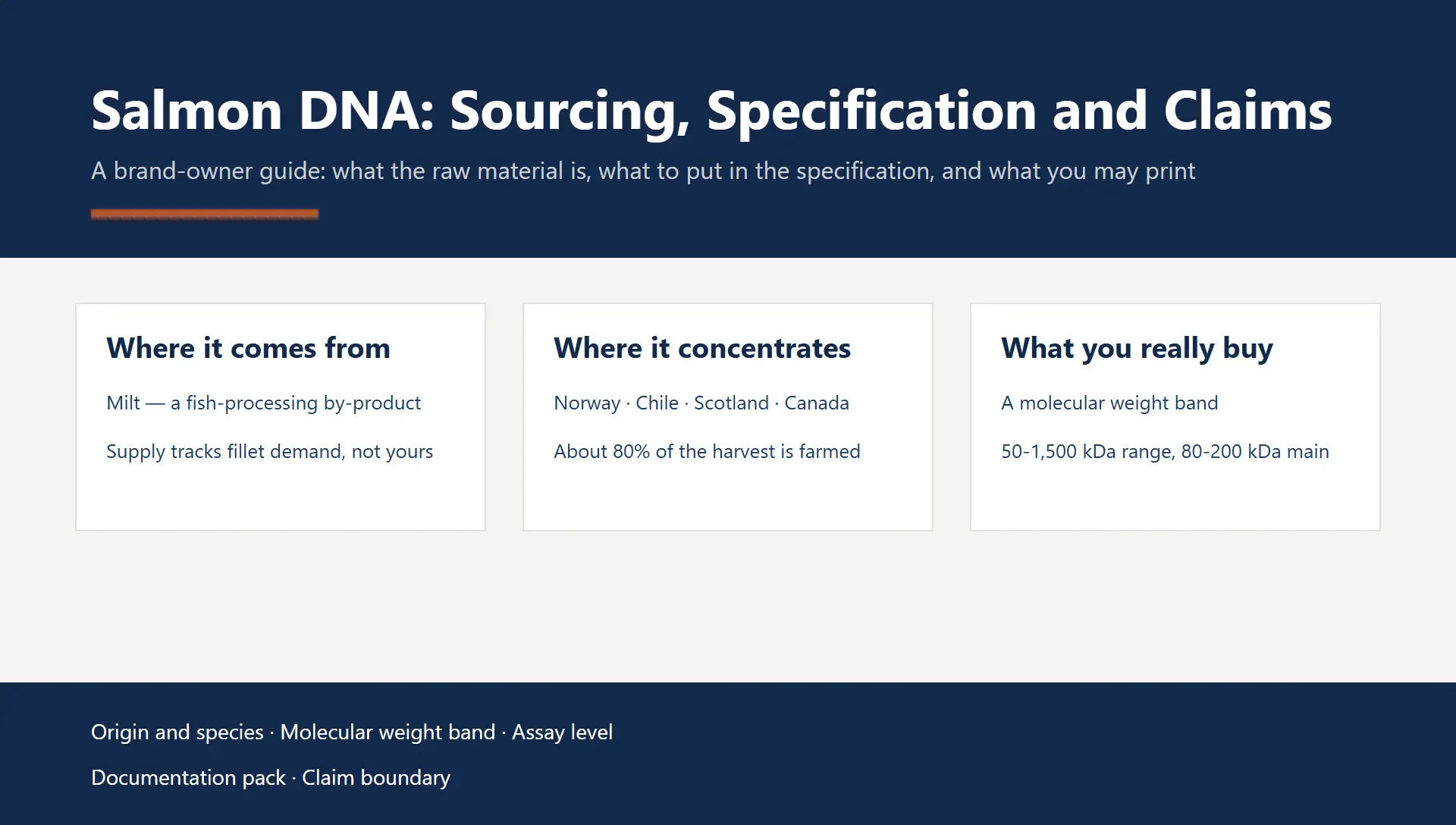
Salmon DNA Skincare Benefits: Sourcing and Claims Guide for Brands
This is not a beauty contest, it is a sourcing file. Salmon DNA arrives as a milt-derived DNA fragment sold under a stated molecular weight band and assay level, and everything that decides your margin sits in the specification sheet and the document pack rather than on the front of the box. Here is what to demand, what each layer of cost actually attaches to, and the sentences you can lawfully print on the pack.
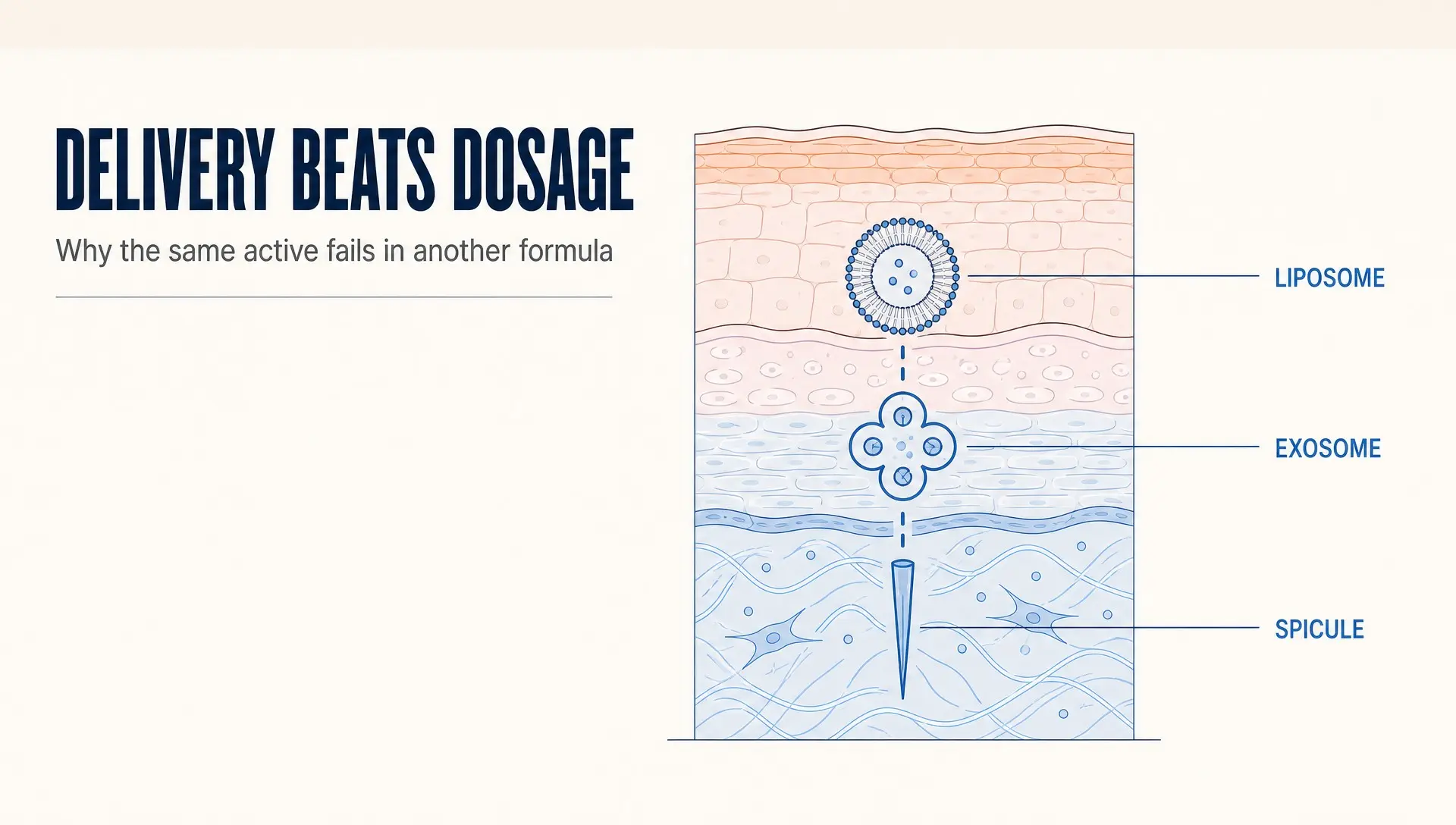
Delivery Beats Dosage: Why the Same Active Fails in Another Formula
In September 2026 three moves pointed at the same thing: Core Biogenesis extended its growth-factor delivery platform (Oleosome-EGF) from cream into eye shadow, ALPOL Cosmétique invested in an in-vitro SPF screening system to de-risk formulation validation, and Cosmetics & Toiletries published a cluster of delivery-related launches on 10-11 September. More telling is the quantified evidence: Amorepacific reports retinol embedded in spicules lifts absorption 46% while cutting irritation 80%. The delivery-systems market stands at US$3.4B in 2026 and reaches US$6.5B by 2033 (9.6% CAGR). Efficacy's bottleneck has shifted from "what you add" to "does it arrive".
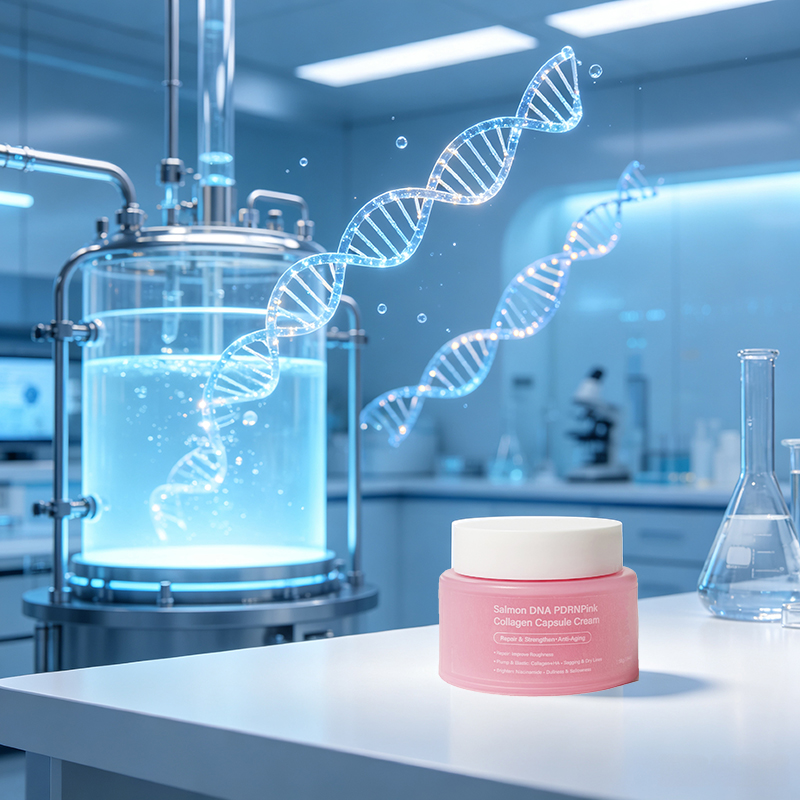
Why Biotech Skincare is Better than Traditional Formulas
For decades, the skincare industry operated on a simple formula: take ingredients from nature or synthesize them in a lab, mix them together, and hope they work. But the results were often inconsistent. Natural ingredients varied wildly depending on weather, soil, and harvest time. Synthetic ingredients could be effective but came with irritation and sustainability concerns.
Biotechnology is rewriting this story. Instead of extracting from nature or synthesizing from petrochemicals, biotech grows ingredients using living microorganisms—yeast, bacteria, algae—in controlled lab environments. The result is a new class of skincare that is more consistent, more sustainable, and fundamentally more compatible with human skin.

SALMON SPERM FOR SKIN? The Science and Controversy Behind Salmon Sperm Skincare
Salmon sperm—sounds like a marketing gimmick from a beauty salon, or perhaps a plot from a science fiction movie? Yet in the skincare world of 2026, this seemingly unbelievable ingredient is becoming one of the hottest topics.
Its scientific name is PDRN (Polydeoxyribonucleotide) —a mixture of DNA fragments extracted from the sperm cells of salmon or trout. In South Korea, PDRN injectables (such as Rejuran) have become star treatments in aesthetic clinics; in the US and Europe, serums, creams, and masks containing PDRN are rapidly occupying premium skincare shelves.
But is it a genuine scientific breakthrough, or just another overhyped ingredient? This article takes you through the facts.

Title: Beyond Surface Repair: Are Exosome-Powered Bio-Mimetic Ingredients the Next Frontier for Professional Skincare in 2026?
Explore how exosome technology and bio-mimetic ingredients are revolutionizing professional skincare in 2026. Discover the science of "cell-courier" delivery systems for deeper repair and skin longevity.
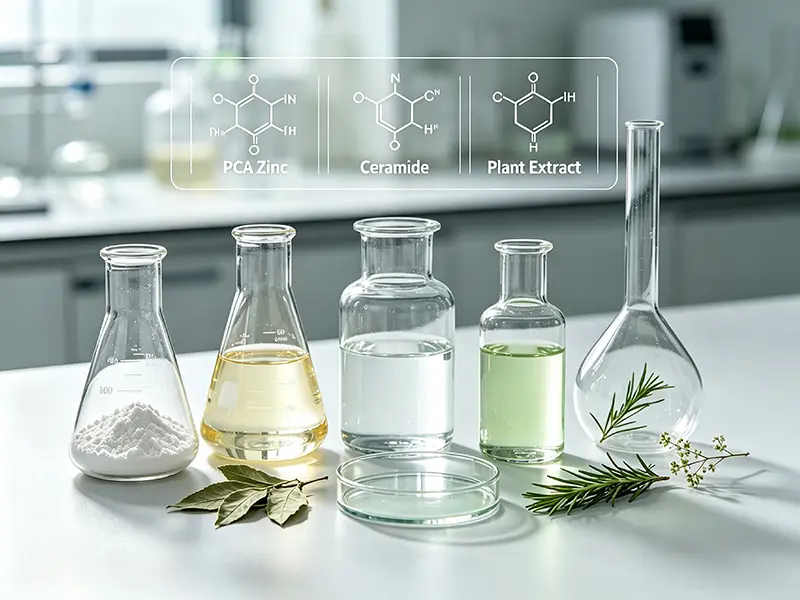
PCA Zinc Tops the Chart, Ceramide EOP Breaks Through: Who's Quietly Rewriting the Rules of the 2026 Ingredient Race?
While PDRN has become a "phenomenal hit" with 270-fold growth over four years, another question is being asked across the industry: After PDRN, which ingredient is worth betting on next?
The ingredient data from Q1 2026 offers clear answers. According to Meixiu Big Data, the cosmetics industry filed 88,000 new product registrations in the first quarter of this year, a year-on-year decline of 14.6%. But while the overall market is contracting, the "hidden battle" among ingredients is intensifying—some are quietly fading (tea extract has dropped out of the top trending list), while others are making surprising comebacks (panthenol has surged into the top three, and proxylane has returned to the TOP 20).
But what's truly worth watching are the potential ingredients that major brands are "quietly betting on." The data reveals three clear signals.

PDRN (Sodium DNA): A Cross-Disciplinary Ingredient from Regenerative Medicine to Skincare Science
In recent years, a bioactive ingredient known as PDRN (Polydeoxyribonucleotide), commonly referred to as Sodium DNA, has garnered significant global attention in the fields of aesthetics and regenerative medicine. PDRN is a high-purity biopolymer composed of DNA fragments with a molecular weight ranging from 50 to 1,500 kDa, primarily extracted from the sperm cells of salmon (Oncorhynchus keta) or trout (Oncorhynchus mykiss). Due to its multifaceted benefits in tissue repair, anti-inflammation, and anti-aging, PDRN is rapidly transitioning from specialized medical applications into the mainstream skincare market, becoming a new focal point for ingredient research and industrial strategy.
Black Gold to Beauty Gold: High-Purity Petroleum Derivatives Redefine Skincare Standards
Breakthrough Technology Transforms Petroleum into Next-Generation Moisturizers with Clinically Proven Efficacy
March 11, 2026 – In a groundbreaking development that bridges the petroleum industry and skincare science, researchers have successfully refined high-purity, cosmetic-grade ingredients from petroleum. This innovation challenges the long-held stereotype of petroleum as mere industrial fuel, positioning it as a sophisticated source for next-generation functional skincare. Validated by rigorous scientific experiments and recognized by international regulatory bodies, these novel ingredients are setting a new benchmark for moisturization and skin barrier repair.