






SALMON SPERM FOR SKIN? The Science and Controversy Behind Salmon Sperm Skincare
I. From Wound Healing to Skincare "New Star": The Past and Present of PDRN
PDRN's story didn't begin in beauty salons. In the 1990s, it was first developed in Italy as a prescription wound-healing drug for chronic ulcers and burns.
Its mechanism of action is unique and sophisticated: PDRN activates adenosine A2A receptors on skin cells, triggering a cascade of biological responses—promoting fibroblast proliferation, stimulating type I and type III collagen synthesis, promoting angiogenesis, and inhibiting inflammatory responses.
In simple terms, PDRN doesn't create temporary fullness through "foreign filling"—it activates the skin's own repair system through biological signaling to achieve true tissue regeneration.
The transition from "wound-healing drug" to "skincare star" happened in South Korea. The Korean aesthetic industry introduced PDRN into skin rejuvenation injectable treatments, and the brand Rejuran (known in Korea as the "salmon injection") gained widespread fame. Data from a study involving 218 Asian subjects showed that PDRN injections reduced periorbital wrinkles by 61.4% within 12 weeks.

II. Injectable vs. Topical: Worlds Apart in Efficacy
However, the key to understanding PDRN comes down to one word: delivery method.
Injectable PDRN has solid clinical data backing it up. A 2025 systematic review published in the Journal of Cosmetic Dermatology evaluated 9 studies covering 219 patients, concluding that PDRN injections show promising results in wrinkle reduction, skin texture improvement, and elasticity enhancement, with mild and transient side effects and moderate-to-high patient satisfaction.
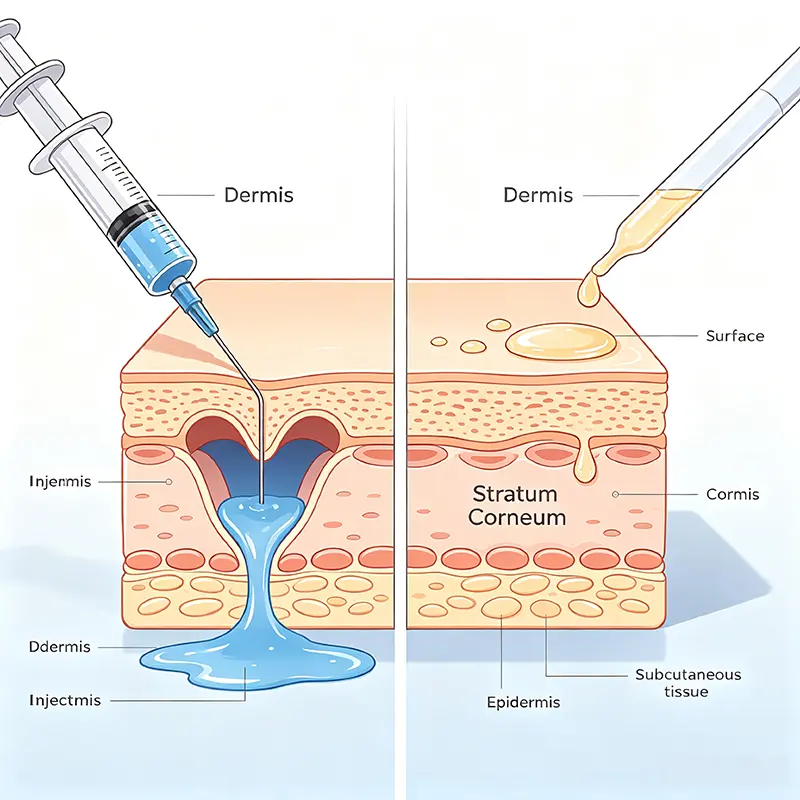
But the problem is that PDRN injected into the dermis and PDRN applied topically are two completely different things.
PDRN molecules weigh approximately 50–1,500 kDa, with most fractions falling between 80–200 kDa—orders of magnitude larger than the ~500 Da conventionally considered the upper limit for passive skin penetration. In other words, PDRN molecules are too large to penetrate a healthy stratum corneum at all.
A July 2026 study published on PubMed offers a new solution to this dilemma. The research found that a medium-length PDRN preparation (PDRN-850K) could enhance dermal extracellular matrix repair in photodamaged skin through PI3K-Akt/TGF-β-regulated pathways. In a 28-day randomized, double-blind, split-face trial, a 0.1% PDRN-850K eye cream achieved approximately two-fold greater improvements in periocular wrinkles, dermal thickness, and density compared to 0.1% retinol.
The significance of this study: specific lengths and formulations of PDRN can indeed outperform retinol in topical application—but this doesn't mean all PDRN-containing products are effective. Molecular weight, formulation technology, and delivery systems are the decisive variables.
III. Nano-ization and Delivery Technology: Breaking Through the Penetration Barrier
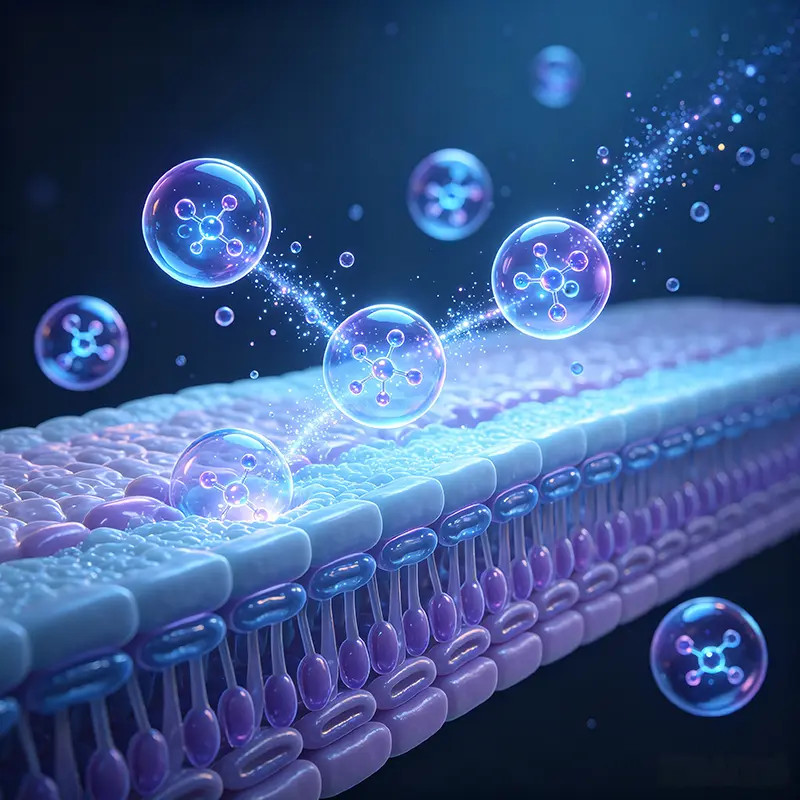
Both the scientific community and industry are actively working to solve PDRN's "penetration problem."
A 2025 study published on ScienceDirect combined PDRN with Spermidine to construct PDRN nanoparticles (PDRN-NPs) with an average particle size of 201.9±5.3 nm. Results showed a 202.3% increase in in vitro permeability and a 143.4% increase in vivo, along with a 25.63% enhancement in cell migration.
Another noteworthy technological pathway is plant-derived PDRN. A 2025 study extracted low-molecular-weight PDRN from Paeonia (peony) , showing in vitro that it significantly enhances skin cell proliferation and migration and upregulates extracellular matrix-related gene expression. In a 2-week clinical test, the ingredient significantly reduced transepidermal water loss (TEWL) and accelerated skin barrier repair.
IV. Safety and Regulatory Status
On safety, PDRN's overall track record is positive.
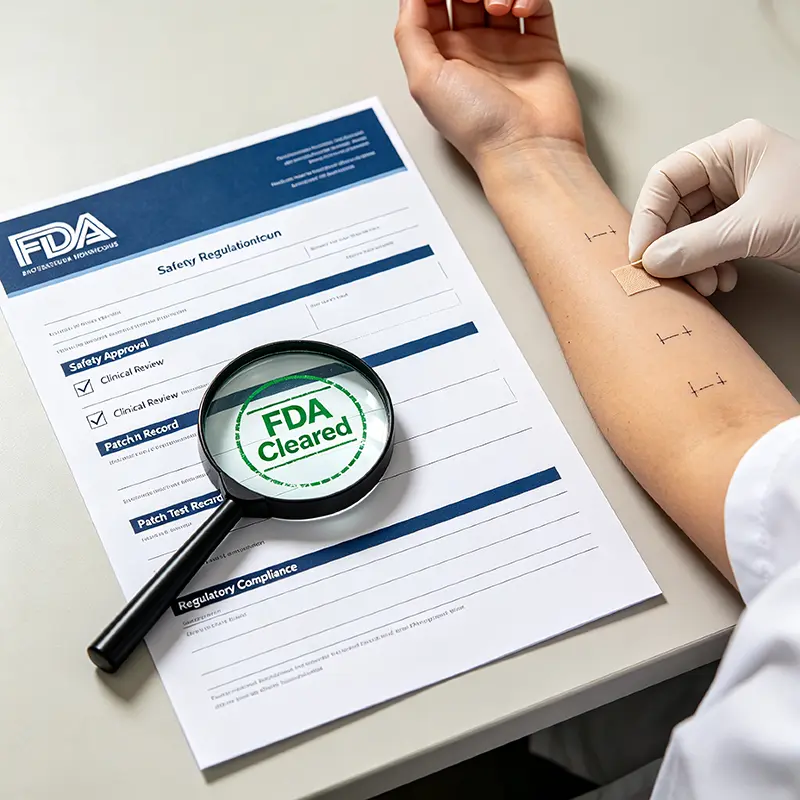
US dermatologists note that topical PDRN products are very low-risk, with occasional mild redness or transient sensitivity. However, note that the FDA has not approved any PDRN injectable for aesthetic indications in the US—injectable PDRN is used "off-label" in America.
For those with fish allergies, although allergic reactions are extremely rare with highly purified PDRN, experts still recommend patch testing first. Vegan consumers can opt for plant-derived PDRN products.
V. If You're Considering PDRN, What Should You Know?
-
Injectable vs. Topical: Injectable PDRN has the strongest clinical evidence but is not FDA-approved for aesthetic indications; topical PDRN evidence is accumulating, and 2026 research suggests certain topical formulations can outperform retinol.
-
Look at Molecular Weight: Low-molecular-weight PDRN (<100 kDa) has better theoretical penetration than conventional material. Look for products clearly labeled with specifications like "low molecular weight" or "PDRN-850K".
-
Check Concentration: Industry guidance suggests PDRN concentrations below 0.3% are unlikely to produce meaningful biological activity. Most effective topical formulations target the 0.5%-1% range.
-
Keep Expectations Realistic: The collagen-remodeling results achievable with topical products should not be equated with injectable results. Reasonable expectations: barrier support, anti-inflammatory soothing, surface hydration.
-
Be Aware of Fish Allergies: Those with severe fish or shellfish allergies should consider patch testing or choose plant-derived alternatives.

Conclusion
Salmon sperm skincare sounds like a marketing gimmick, but the science behind it is not so simple. By activating the skin's own repair mechanisms, PDRN does demonstrate the ability to promote collagen regeneration and reduce inflammation. The latest 2026 research even suggests that specific topical PDRN formulations can outperform retinol—the "gold standard"—in anti-wrinkle efficacy.
But it's equally true that the "PDRN" label alone doesn't guarantee any product's effectiveness. Molecular weight, delivery technology, formulation system, and concentration are the key factors that determine whether a PDRN product is "scientific innovation" or just "concept marketing."
If you're considering trying it, approach the ingredient list like a researcher, not a trend-chaser—because the truth about skincare is never in the name on the label, but in what lies behind it.

Want to learn more about the science behind cutting-edge skincare ingredients? Explore our curated selection of scientifically-validated, ingredient-transparent essentials—designed for those who truly care about what goes into their skincare.