
The Dermatologist-Stamp Era: How Sensitive-Skin Certification Is Becoming the North American Entry Ticket
On September 8, 2026, the US National Eczema Association (NEA) announced it is expanding its Seal of Acceptance to colour cosmetics for the first time — foundations, concealers and primers designed for consumers with eczema and sensitive skin. IT Cosmetics, Laura Geller Beauty, Rare Beauty and Tower 28 Beauty were named among the first seal-holding brands. If you run a sensitive-skin, repair or "eczema-friendly" skincare line, this is not "a makeup-industry story" — it is a signal for your product and compliance decisions: on North American shelves and search results, third-party dermatological certification is moving from a nice-to-have to an entry ticket — and half the key to that ticket is in your formula and testing plan.
What Happened: A Dermatologist "Stamp" Enters Makeup for the First Time
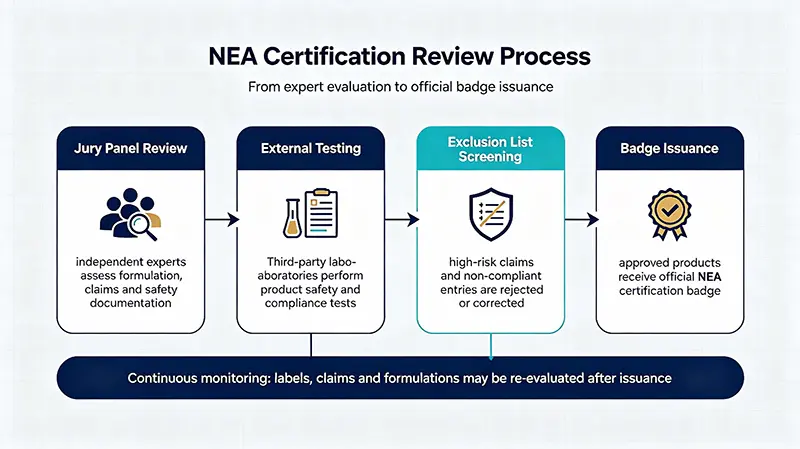
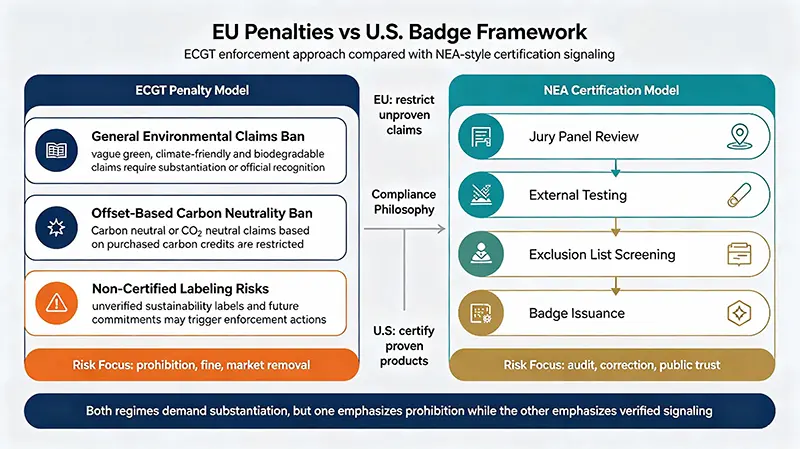
The NEA Seal of Acceptance is not a marketing gimmick — it is a systematic third-party review: each product is assessed individually by a panel of dermatologists, allergists and eczema specialists against clinical safety, ingredient and formulation standards; products must complete external sensitivity, irritation and toxicity testing; and formulas may not contain added fragrance, chemical UV absorbers, formaldehyde releasers, or any ingredient on the NEA's "Ecz-clusion List". The four first seal-holding brands — IT Cosmetics, Laura Geller Beauty, Rare Beauty and Tower 28 — show the standard is now reaching categories that previously had almost no certification, and NEA says further colour categories will follow. Almost the same week, MakeUp in NewYork 2026 (September 16–17) is running under the theme "Science You Can See" — organisers state plainly that clinical data, measurable results and ingredient transparency are overtaking marketing hype as the main battleground for beauty brands.
Why This Concerns You: Certification Is Becoming a "Channel Signal"
Read this story against three backdrops and its meaning for you becomes clearer. First, sensitive skin is one of the fastest(For the repair mechanism of damaged barriers and sensitive muscles, please refer to the "Skin Barrier Repair Guide 2026" on the website.) For the mask format of that repair architecture, see the barrier repair collagen mask OEM line.-growing skincare consumer segments — eczema, rosacea and barrier-damaged populations keep expanding in the US and Europe, and "eczema friendly / sensitive skin / dermatologist approved" are the phrases they really type into search boxes. Second, certification is becoming a filter for retailers and platforms: big US chains and marketplaces want claims that cannot be challenged, and a third-party seal lets both buyers and algorithms verify at a glance — this is the same coin as the EU's ECGT ban on unsubstantiated green claims: regulation pushes with penalties in the EU, the market filters with seals in the US, and the direction is identical — "self-declared" no longer works. Third, DTC and smaller brands are sprinting ahead: digitally-native brands like Rare Beauty and Tower 28 took the seal first, which suggests "sensitive-skin certification" will become the next dividing line for shelf placement and search traffic — first certified, first positioned.
Your Checklist: 8 Questions to Ask Your Factory for a "Certification-Ready" Sensitive-Skin Line
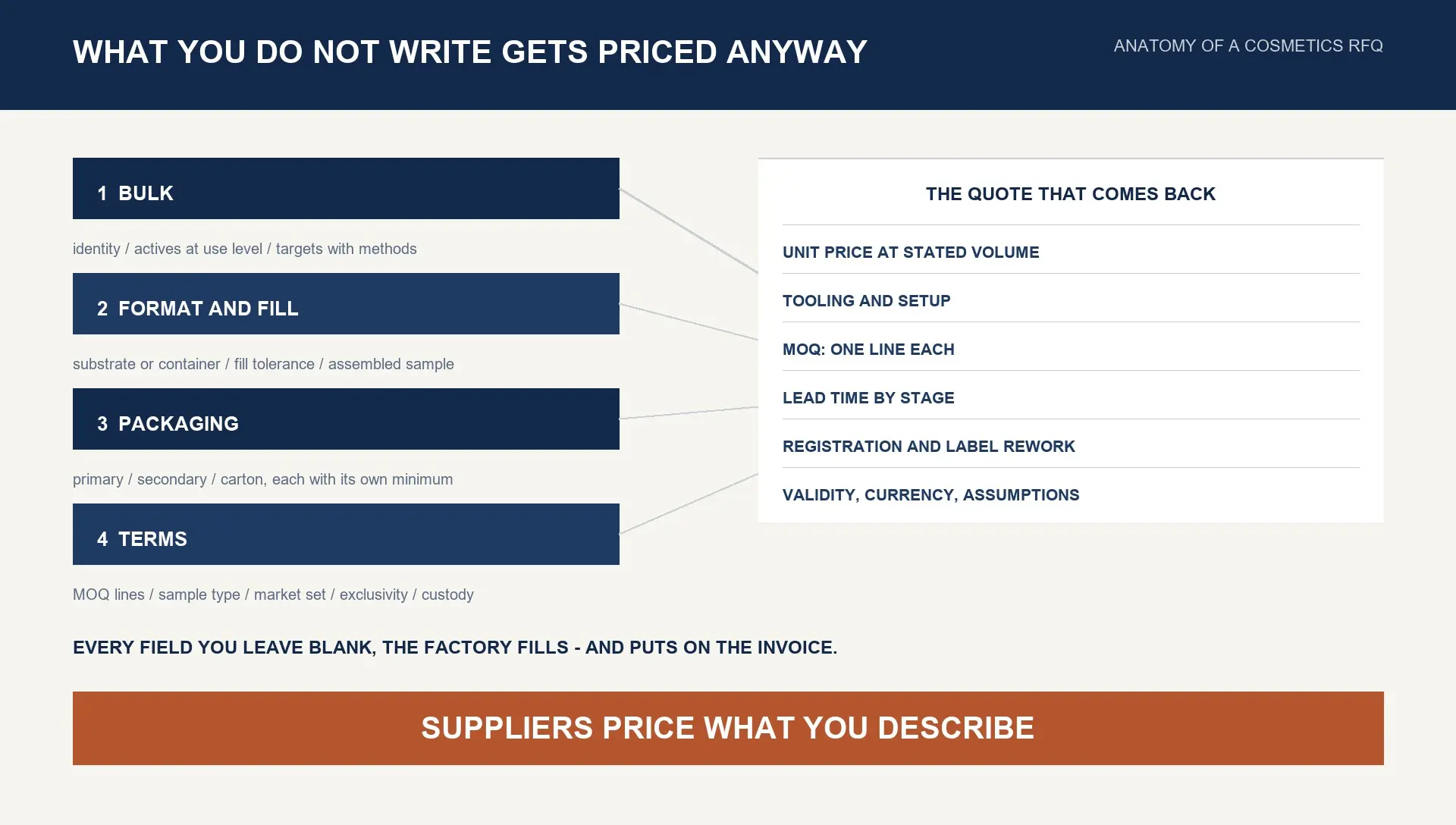
Certification is not a piece of paper you add before launch — it is engineering you reverse-engineer from the formula stage. If you are planning sensitive-skin or repair-positioned new products, send these eight questions to shortlisted factories in your next round of inquiry — only those that answer clearly in writing deserve the next round:
- Has the factory produced complete formulas without added fragrance, chemical UV absorbers or formaldehyde releasers? Is there an existing "sensitive-skin compatible" formula library?
- Can the formula be screened item by item against your target certification lists (e.g. the NEA Ecz-clusion List)? Who is responsible, and is the process documented?(The formula logic can be compared to mature OEM sensitive muscle series, such as the FKY product series)
- Can the factory arrange external irritation (e.g. human patch) and sensitisation testing with third-party labs? What is the timeline and fee structure?
- Which test reports back up efficacy and gentleness claims such as "dermatologist tested" or "hypoallergenic"? Which evidence types can the factory supply?
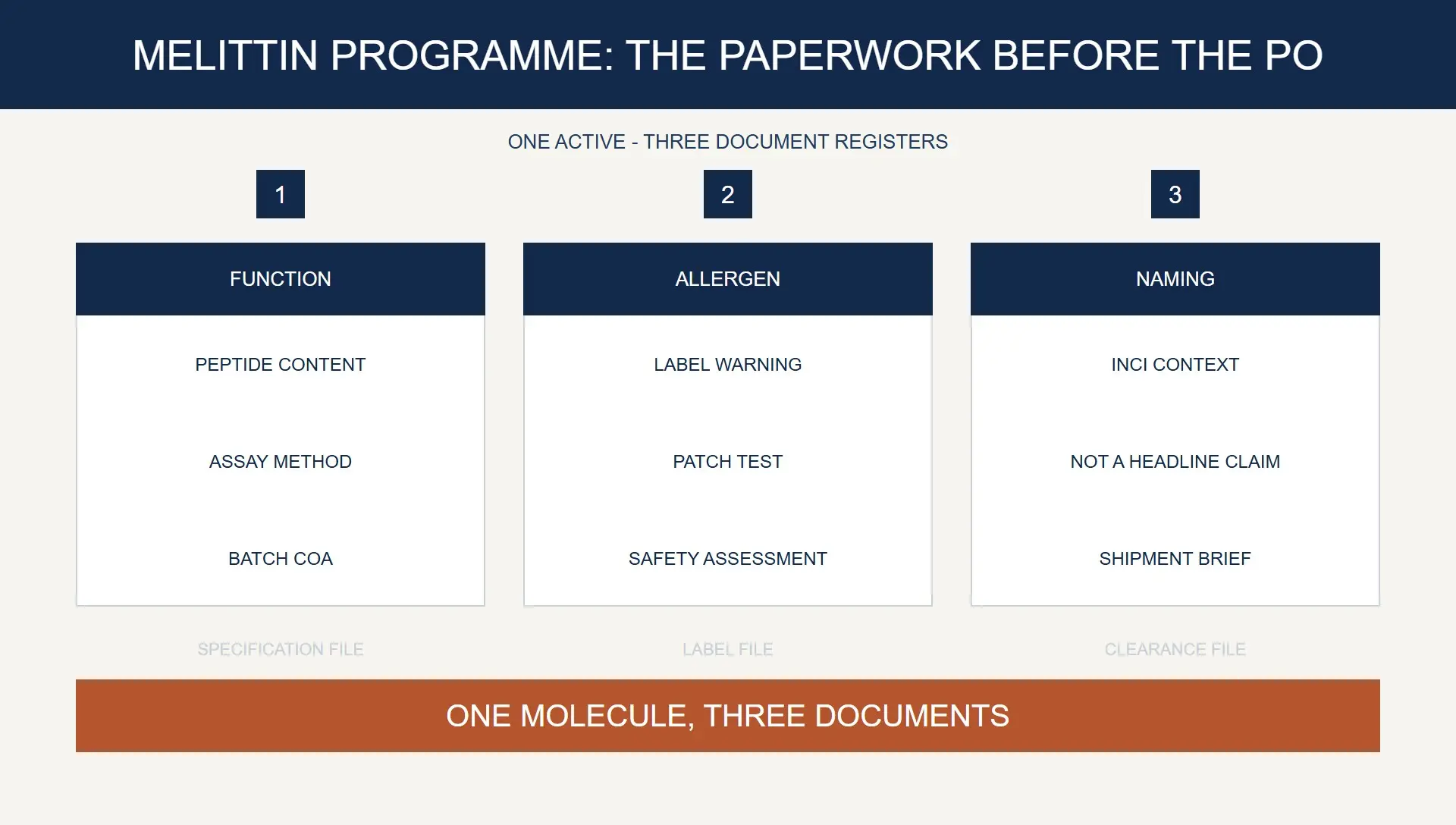
- Are ingredient traceability and purity documents (COA, MSDS, residue reports) delivered together with samples?
- How is shelf life maintained under fragrance-free, low-irritation preservative constraints? Can the stability protocol be shared?
- Certification applications usually require formulation review documents — will the factory issue formula and technical files and commit to it in the agreement?
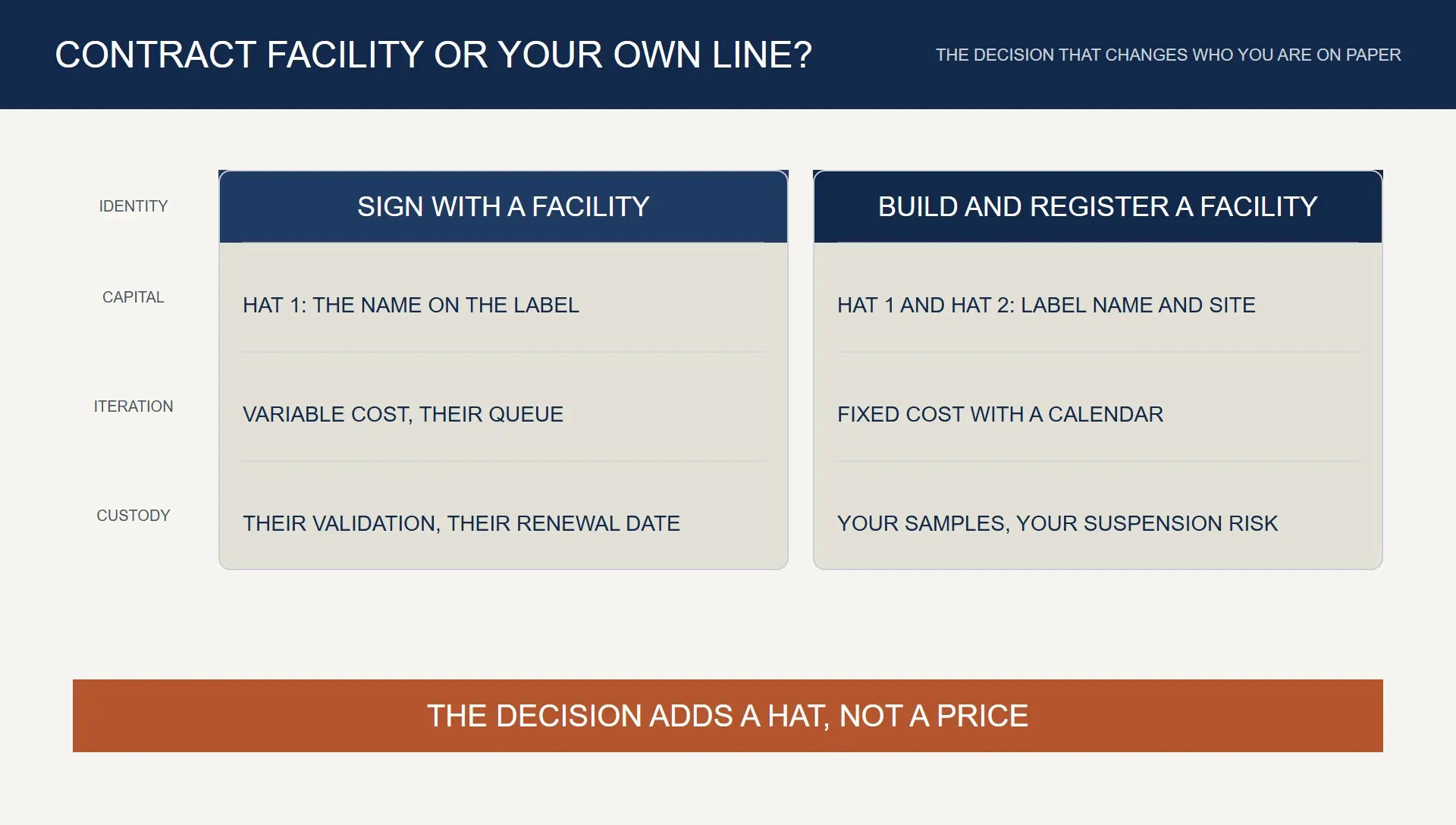
- If the first batch needs adjustment (formula/preservative/packaging change) after certification or market feedback, how are revision costs and lead times defined?
【Note】Put the answers in the contract. If a factory is vague on questions 1, 4 or 7, its R&D system is not ready for the certification economy — and that lesson is more expensive than it looks.
Four Steps: Building "Certification-Ready" into Your Development Process
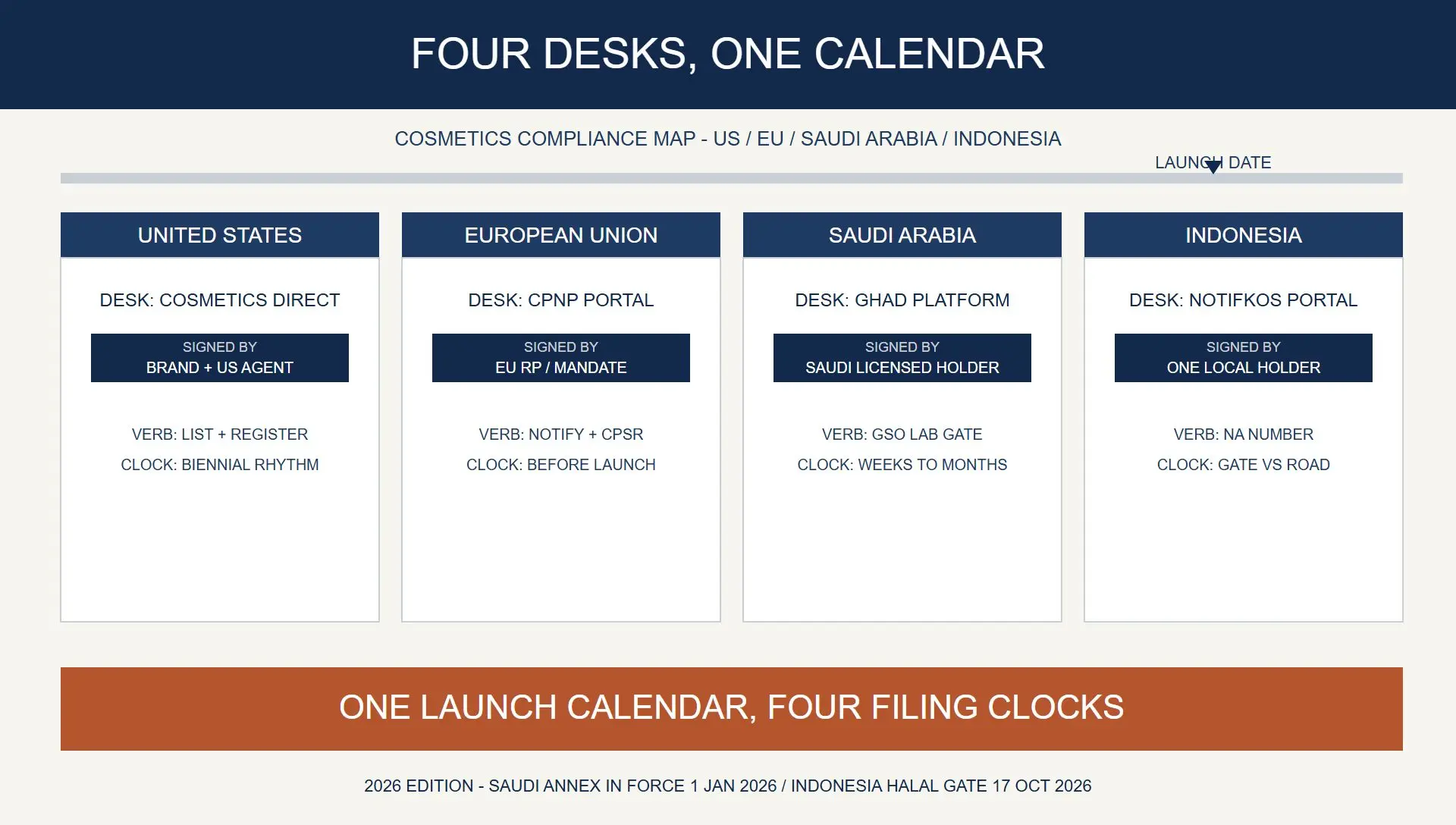
Whichever partner you finally choose, four things are worth starting today. First, draw a certification map for your target markets — beyond the NEA in North America, note which other third-party seals shape consumer decisions (e.g. EWG Verified, Leaping Bunny — each with its own constraints) and decide which stamps matter for your core market before locking the formula. Second, put formula constraints up front — write hard constraints such as "no added fragrance, no chemical UV absorbers, no formaldehyde releasers" directly into the development brief instead of screening them out after the formula exists. Third, schedule testing early — external sensitivity/sensitisation testing takes weeks, so reverse-plan it into your launch calendar and resist the temptation to skip tests to meet a launch date. Fourth, keep claims and evidence in sync — before putting "dermatologist tested" or "eczema friendly" on pack, confirm the supporting reports can actually be produced. None of these need any policy to land — they can start today, and they will decide whether your product is "with a seal" or "without a seal" twelve months from now.
Take this eight-question checklist into your next sourcing round — a factory that can explain "certification-ready" at the formula stage deserves to play the sensitive-skin card with you. If you would like to benchmark your existing line first, send the same eight questions to us: FKY will provide a free sensitive-skin formula-fit assessment from a buyer's perspective (with written details on ingredient-screening criteria, testing arrangements and revision lead times), so you can compare every option with the same ruler.[inquiry]