

News




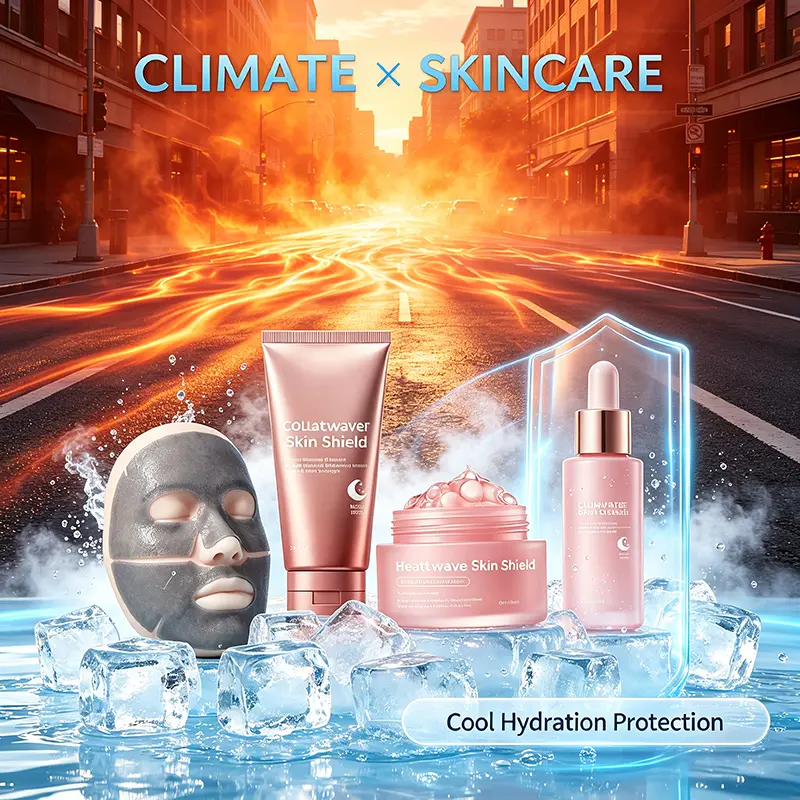
When 44°C Heat Waves Become the Norm, Is "Cooling Skincare" a Climate Necessity or Just a Summer Gimmick?
When London's temperature soars past 44°C, when Seoul's summer humidity exceeds 90%, when heatstroke is no longer a distant concept—skincare is being redefined by climate change.
In the summer of 2026, a "Cooling Beauty" wave originating from South Korea is sweeping the globe. Industry publications including Byrdie and Beauty Independent have all named cooling skincare a top trend for 2026, with hydrogel masks emerging as the core delivery vehicle. From London to New York, from Singapore to Paris, consumers are no longer just asking "does this cream fight aging?"—they're asking: "Will it keep me cooler on my commute?"
Behind this shift lies a fundamental question: Is this climate-driven necessity, or a carefully packaged seasonal marketing campaign?
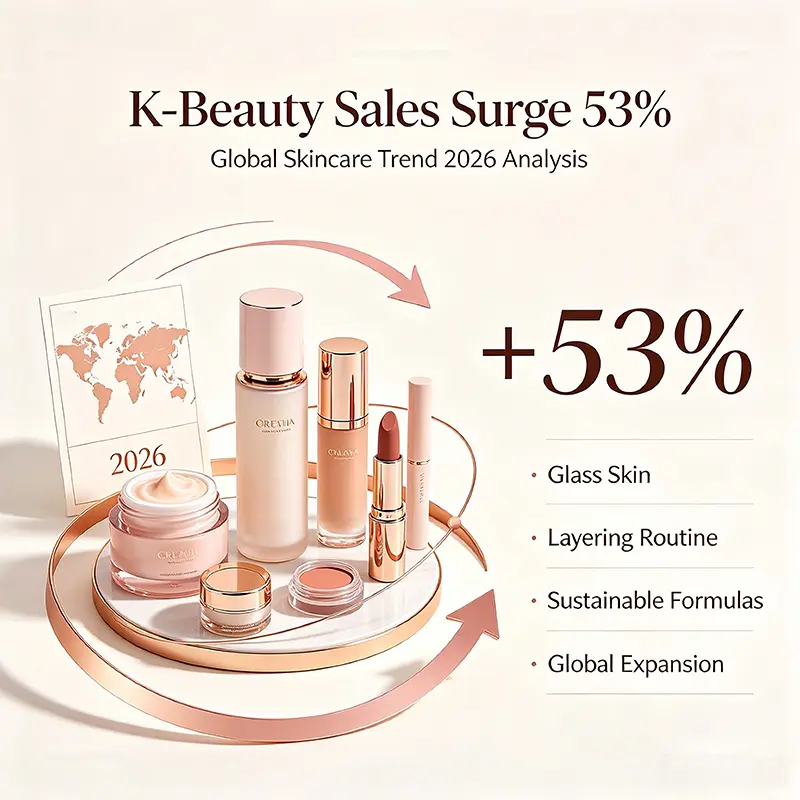
K-Beauty Sales Surge 53%: A Korean Wave Victory, or Are Global Beauty Rules Being Rewritten?
When a face cream travels from the streets of Seoul to the shelves of SOHO in New York, when a sheet mask is repeatedly "unboxed" and "recommended" by Gen Z on TikTok—is this simply a cultural victory, or are the underlying rules of the global beauty industry being rewritten?
In July 2026, new data from NIQ (a global consumer intelligence company) provides an undeniable answer: K-Beauty has evolved from a regional cultural phenomenon into one of the core engines of global beauty growth. Over the past year, global value sales of K-Beauty surged 53% year-over-year, accumulating a 131% increase over the past two years.
More significantly, the Korean-style innovation—marked by ingredient transparency, rapid iteration, and social commerce—is forcing giants like L'Oréal and Estée Lauder to rethink the rulebook. The growth logic of global beauty is shifting from "brands telling stories" to "consumers voting with their feet."

AI Is Rewriting Skincare's Ingredient Playbook—But Are Consumers Buying It?
When L'Oréal announces its product innovation is 4x faster, when BASF uses AI to screen over 2,000 collagen fragments for the optimal solution, and when Clinique puts PDRN—once reserved for medical aesthetics—into everyday skincare—you might think the beauty industry is entering a golden age of "technological explosion."
But on the other side, the market is sending a telling signal. During the 2026 618 shopping festival, beauty sales fell 2.43% year-on-year—the industry's first-ever overall decline during this major sales period. At the same time, consumer interest in "ingredient stories" and "efficacy concepts" is declining, replaced by a sharper focus on real, perceptible results.
AI is accelerating product innovation, regulatory constraints are loosening, but consumers are becoming more cautious and more discerning. Is this tech-driven transformation pushing the industry toward a more scientific future—or is it manufacturing a "more efficient bubble"?

Title: Beyond Surface Repair: Are Exosome-Powered Bio-Mimetic Ingredients the Next Frontier for Professional Skincare in 2026?
Explore how exosome technology and bio-mimetic ingredients are revolutionizing professional skincare in 2026. Discover the science of "cell-courier" delivery systems for deeper repair and skin longevity.
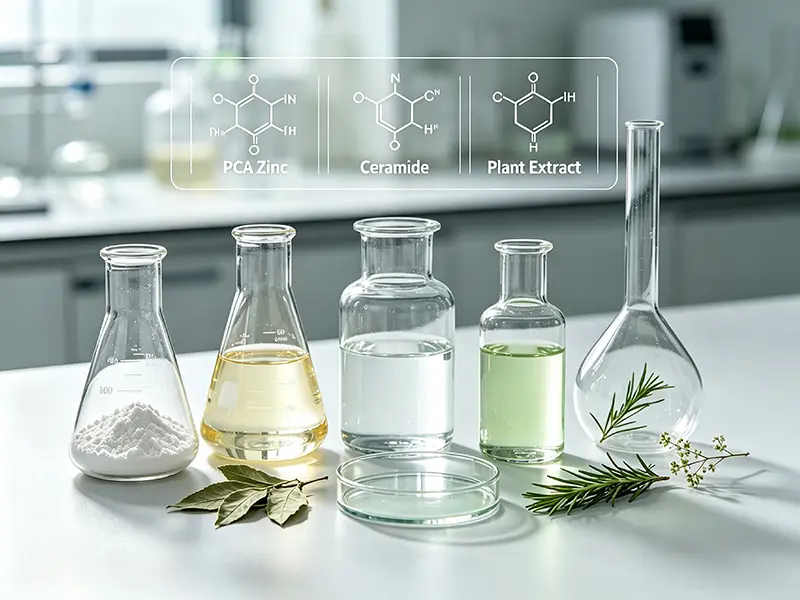
PCA Zinc Tops the Chart, Ceramide EOP Breaks Through: Who's Quietly Rewriting the Rules of the 2026 Ingredient Race?
While PDRN has become a "phenomenal hit" with 270-fold growth over four years, another question is being asked across the industry: After PDRN, which ingredient is worth betting on next?
The ingredient data from Q1 2026 offers clear answers. According to Meixiu Big Data, the cosmetics industry filed 88,000 new product registrations in the first quarter of this year, a year-on-year decline of 14.6%. But while the overall market is contracting, the "hidden battle" among ingredients is intensifying—some are quietly fading (tea extract has dropped out of the top trending list), while others are making surprising comebacks (panthenol has surged into the top three, and proxylane has returned to the TOP 20).
But what's truly worth watching are the potential ingredients that major brands are "quietly betting on." The data reveals three clear signals.
When Skincare Shifts from "Anti-Aging" to "Skin Longevity," Can Your Serum Really Read Your Cells?
What if your skincare product didn't just sit on your skin—but could actually tell you about your body's metabolic state and predict future skin issues before they appear? Would you trust it?
This isn't science fiction. In its 2026 Global Beauty Trends forecast, Mintel clearly states: by 2030, skin will become the body's most accessible biomarker—consumers will expect their serums, moisturizers, and even supplements to do more than just skincare. They'll want these products to serve a "diagnostic" function, helping people understand their internal health.
In 2026, the global skincare industry stands at the threshold of this transformation. Consumer expectations are shifting from "visible surface results" to "measurable deep health." And this shift is upending the industry's long-established playbook.
The More You Apply, The More You Age? Why Less Is Now The Anti-Aging Secret
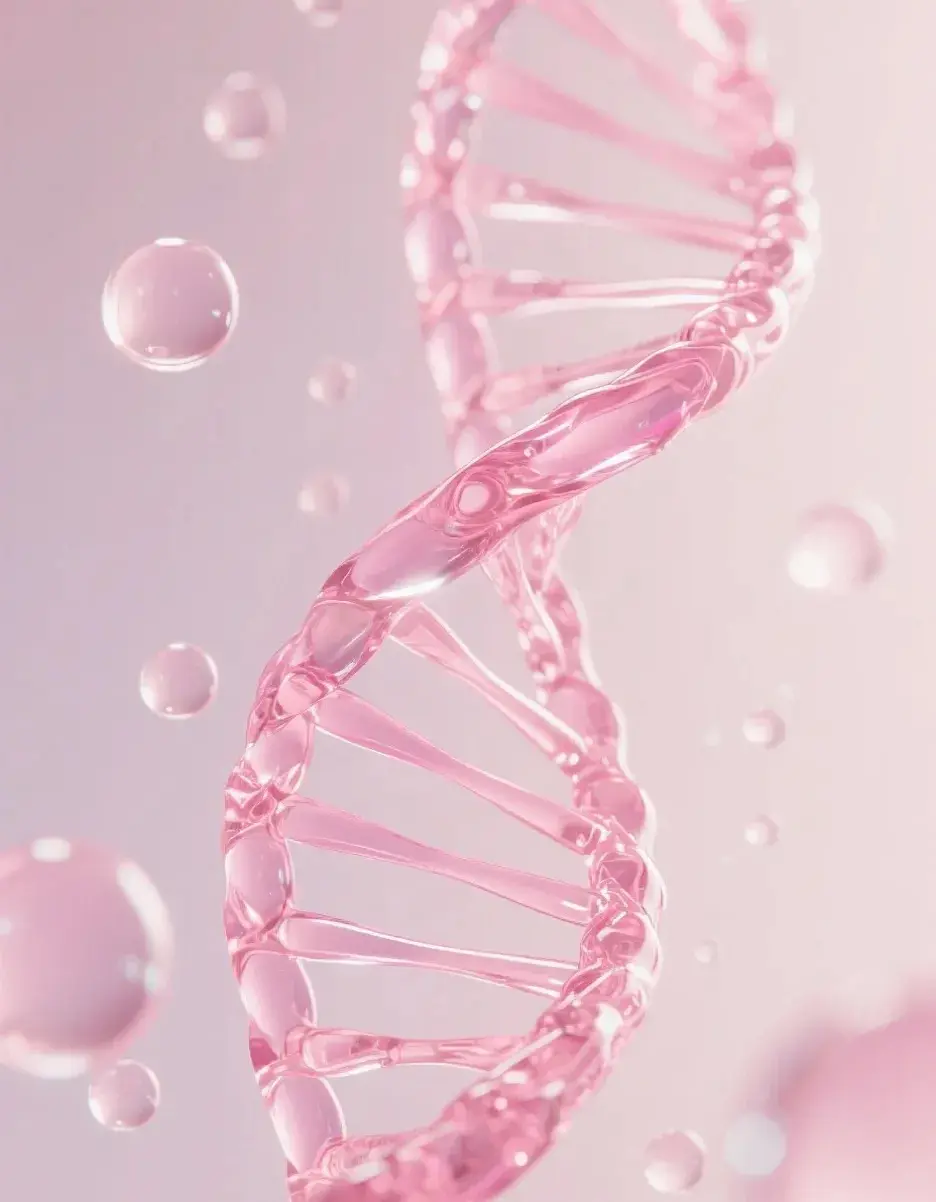
PDRN (Sodium DNA): A Cross-Disciplinary Ingredient from Regenerative Medicine to Skincare Science
In recent years, a bioactive ingredient known as PDRN (Polydeoxyribonucleotide), commonly referred to as Sodium DNA, has garnered significant global attention in the fields of aesthetics and regenerative medicine. PDRN is a high-purity biopolymer composed of DNA fragments with a molecular weight ranging from 50 to 1,500 kDa, primarily extracted from the sperm cells of salmon (Oncorhynchus keta) or trout (Oncorhynchus mykiss). Due to its multifaceted benefits in tissue repair, anti-inflammation, and anti-aging, PDRN is rapidly transitioning from specialized medical applications into the mainstream skincare market, becoming a new focal point for ingredient research and industrial strategy.
Black Gold to Beauty Gold: High-Purity Petroleum Derivatives Redefine Skincare Standards
Breakthrough Technology Transforms Petroleum into Next-Generation Moisturizers with Clinically Proven Efficacy
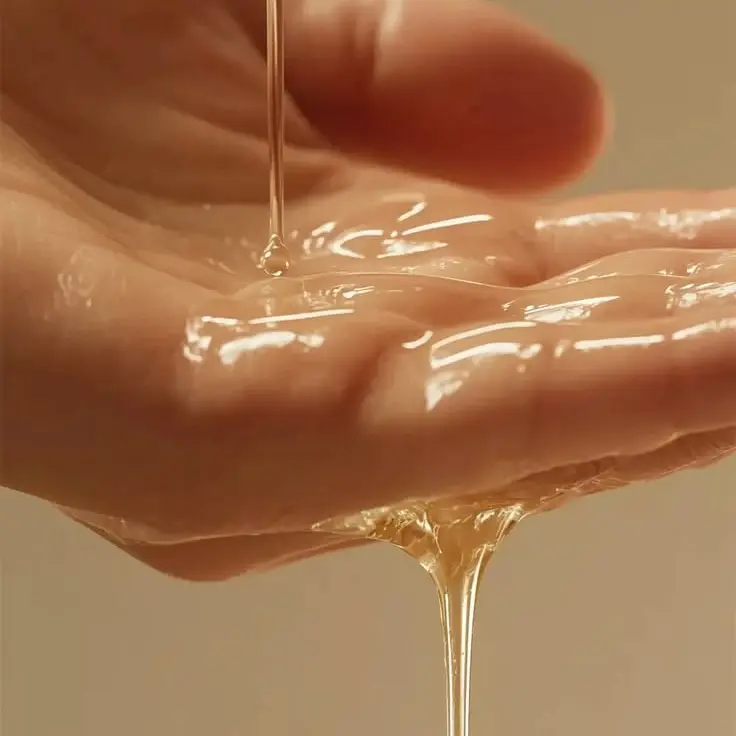
March 11, 2026 – In a groundbreaking development that bridges the petroleum industry and skincare science, researchers have successfully refined high-purity, cosmetic-grade ingredients from petroleum. This innovation challenges the long-held stereotype of petroleum as mere industrial fuel, positioning it as a sophisticated source for next-generation functional skincare. Validated by rigorous scientific experiments and recognized by international regulatory bodies, these novel ingredients are setting a new benchmark for moisturization and skin barrier repair.

Patent Innovation: Microcrystalline Mask (Hyaluronic Acid Repair Mask) – 30X Essence Retention & 7 Groundbreaking Features Redefine Skincare Absorption
As a patented flagship from our skincare manufacturing facility, the Microcrystalline Mask (also marketed as the Hyaluronic Acid Repair Mask) is revolutionizing the beauty industry. Leveraging "natural plant polysaccharide membrane technology + microcrystalline capsule penetration systems," it delivers unparalleled essence retention, deep dermal penetration, and safety—positioning itself as a must-have for independent sites targeting high-performance skincare consumers. Here’s a deep dive into its technological edge, ingredient integrity, and seven industry-disrupting advantages.