

News


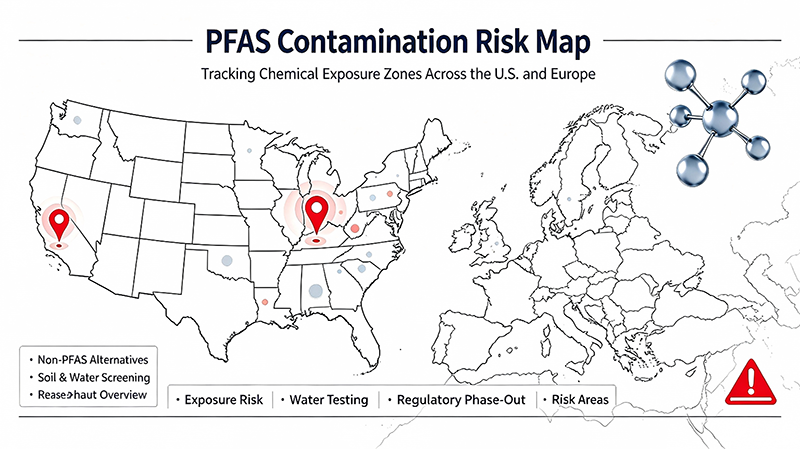
PFAS 2026 Ban Map: "Forever Chemicals" in Skincare Formulas Are Being Phased Out State by State
PFAS cosmetics bans are sweeping 2026: seven US states already prohibit them and three more will impose all-product bans by 2032, the EU's REACH universal restriction is in its endgame, and France has already banned PFAS cosmetics. The fluorinated ingredients behind "waterproof" claims are being phased out — PFAS-free declarations and TOF screening are the new entry tickets to the US and EU.
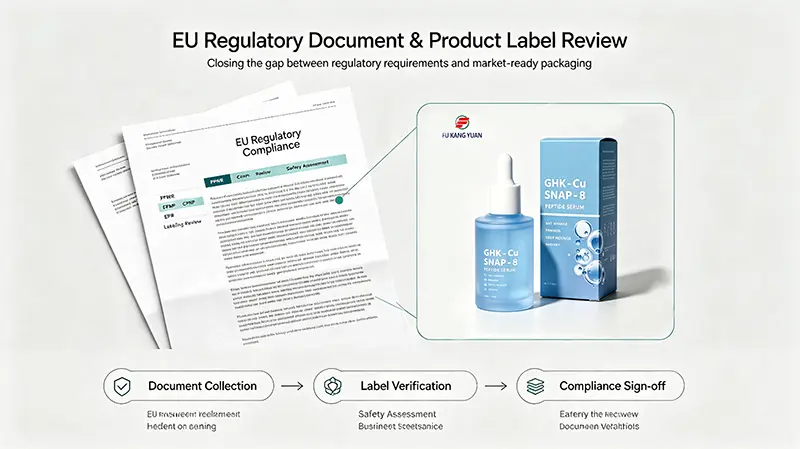
ECGT Applies September 27, 2026: "Natural", "Eco" and "Carbon Neutral" Skincare Claims Lose Their Free Pass
On September 27, 2026, the EU's Empowering Consumers for the Green Transition Directive (Directive (EU) 2024/825, "ECGT") applies across all 27 member states — just 25 days from today. Already in force since March 2024, the directive puts "generic environmental claims" and "offset-based neutrality claims" on the blacklist of unfair commercial practices: wording such as "natural", "eco-friendly", "green", "biodegradable" or "carbon neutral" on skincare packaging and advertising must, from September 27, demonstrate recognised excellent environmental performance that is certified or officially recognised — otherwise it is unlawful marketing. For skincare brands entering the EU market, this is a full audit of claims, packaging copy and supply-chain evidence. The countdown has begun.
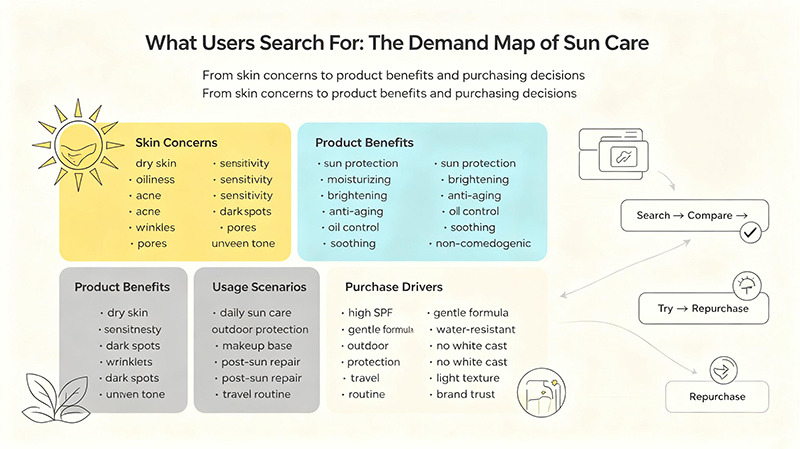
Sunscreen Demand Is Climbing: Three Shifts Reshaping Sun Care in 2026
Sunscreen is becoming the most crowded — and the most opportunity-rich — lane in skincare. Looking at the high-frequency search behavior of Google users, queries such as "best sunscreen for face", "mineral vs chemical sunscreen", "sunscreen for oily skin", "body sunscreen" and "is SPF 100 better" consistently rank among the top skincare searches, with clear seasonal peaks — and August in the Northern Hemisphere is the annual UV maximum, pushing sun-care searches to their yearly high. Meanwhile, the supply side has seen three shifts in 2026: the US FDA approved the new UV filter Bemotrizinol in 2025 (the first new chemical sunscreen active approved in roughly two decades); French brand Firn launched an SPF50+ refillable sun stick in August; and the sunscreen category is rapidly expanding from "facial product" toward "everyday body care." For buyers planning their next product line, the message is clear: sunscreen may be the incremental category worth betting on.
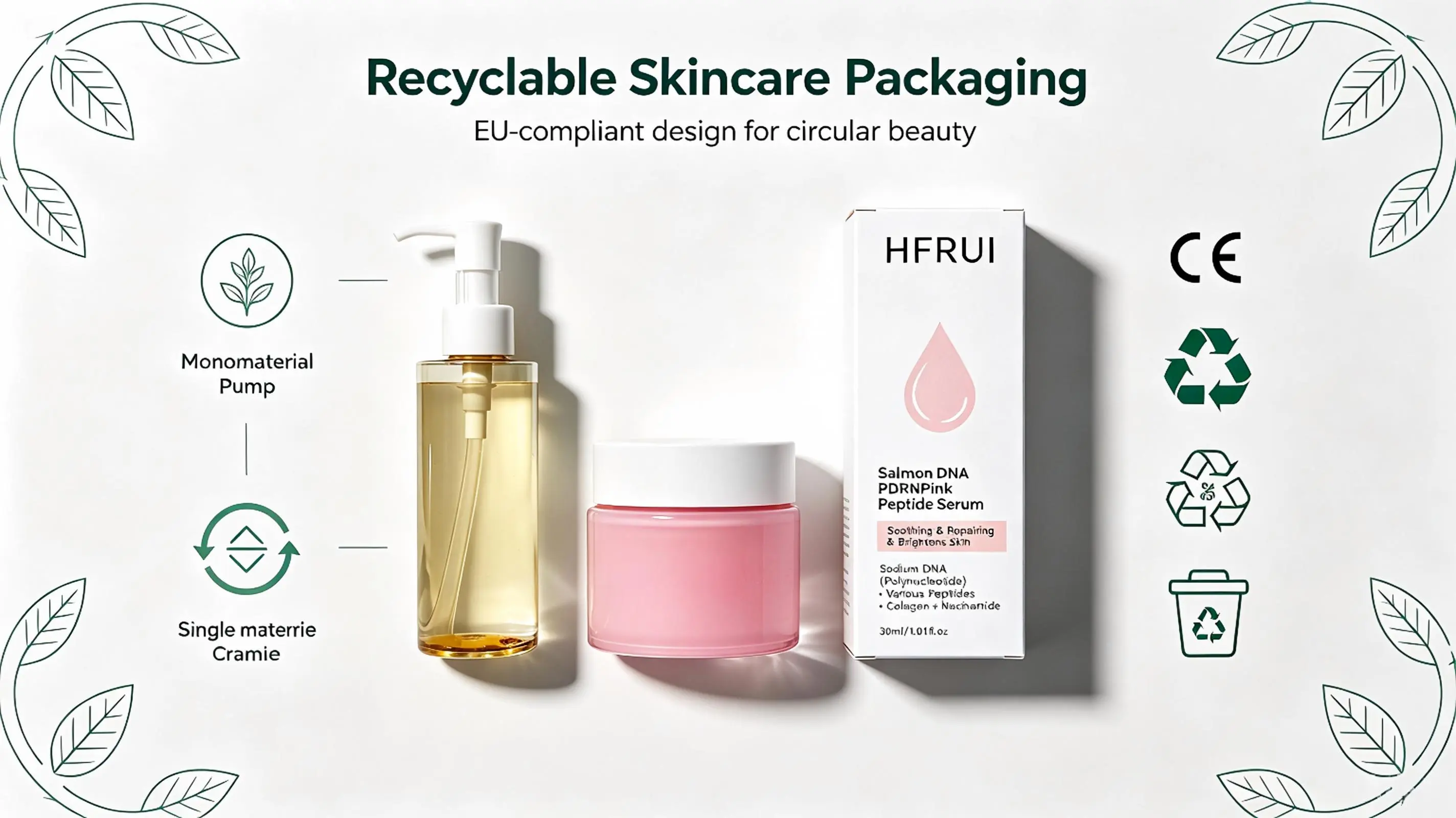
PPWR 2026 Full Enforcement: A Packaging Compliance Guide for Skincare Brands Selling to the EU
On August 12, 2026, the EU's Packaging and Packaging Waste Regulation (PPWR, EU 2025/40) entered full application — the biggest packaging regulatory overhaul in the EU in 30 years, replacing the 94/62/EC directive that had governed for over three decades, and applying mandatorily to all packaged products placed on the EU market, skincare included. For global buyers, three things happen at once: on the nine major marketplaces — Germany, France, Italy, Spain, Belgium, the Netherlands, Ireland, Poland and Sweden — platforms now enforce EPR registration verification; total lead, cadmium, mercury and hexavalent chromium in packaging must stay at or below 100 mg/kg; and from 2030, packaging recyclability must be at least 70%. The price of non-compliance: delisting, customs detention, and fines of 4%–6% of annual turnover. Packaging compliance has become the entry ticket to the EU market.

MoCRA 2026 Full Enforcement: Compliance Mandates & Supplier Selection Guide for Skincare Brands Exporting to the U.S.
2026: The U.S. MoCRA Enters Full Enforcement – For Beauty Brands, Compliance Is No Longer Optional
Is "Bio-Hacking" Taking Over Your Skincare Routine? How K-Beauty's 2026 Narrative Is Being Rewritten
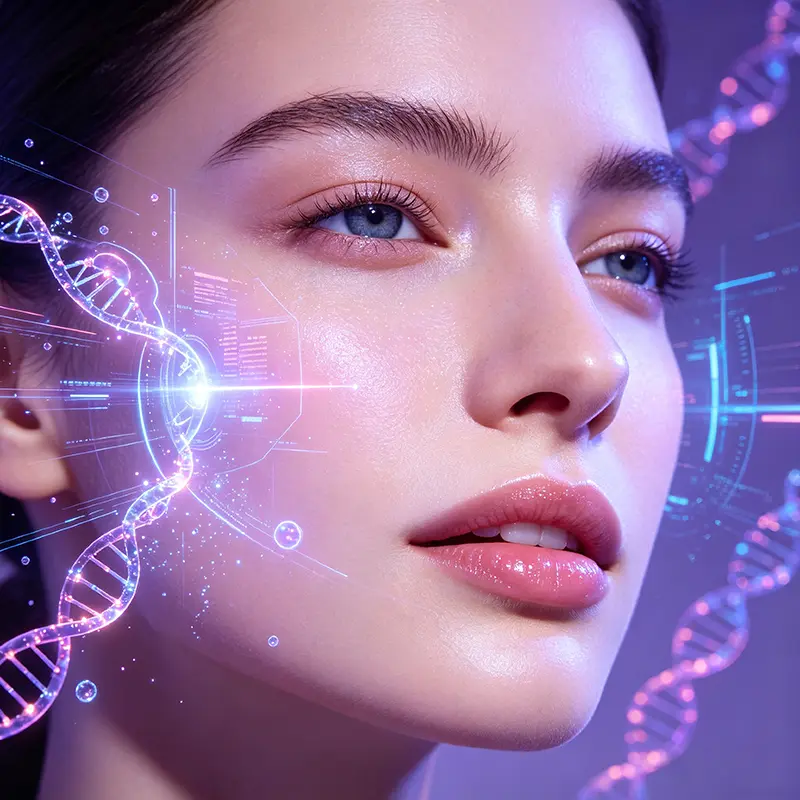
"Bio-hacking your skin"—using exosomes to bio-hack your skin. It sounds like something out of a Silicon Valley experiment, but in 2026, it's becoming K-Beauty's most central narrative.
A new skincare framework is taking shape. Brands like Forté are leading the charge, pushing "bio-hacking" from a subcultural concept into mainstream consumer vocabulary. Meanwhile, the PDRN + spicules combination is moving from aesthetic clinics to home skincare—P.CALM's PDRN Caffeine Night Gel Mask is a prime B2C example, delivering 10,230 ppb PDRN with high-purity white spicules through a hydrogel system for "micro-needling-like" deep delivery.
These two threads converge on a single signal: K-Beauty is upgrading from "ingredient competition" to "signal dialogue." The skin is no longer just a surface to be coated—it is a biological system to be "programmed."
Why Biotech Skincare is Better than Traditional Formulas
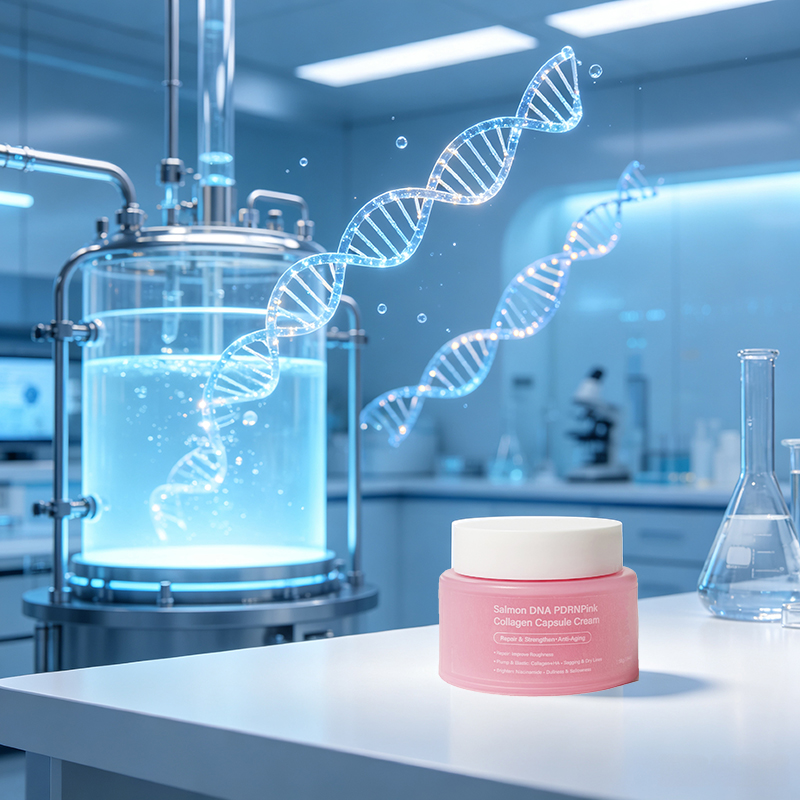
For decades, the skincare industry operated on a simple formula: take ingredients from nature or synthesize them in a lab, mix them together, and hope they work. But the results were often inconsistent. Natural ingredients varied wildly depending on weather, soil, and harvest time. Synthetic ingredients could be effective but came with irritation and sustainability concerns.
Biotechnology is rewriting this story. Instead of extracting from nature or synthesizing from petrochemicals, biotech grows ingredients using living microorganisms—yeast, bacteria, algae—in controlled lab environments. The result is a new class of skincare that is more consistent, more sustainable, and fundamentally more compatible with human skin.

SALMON SPERM FOR SKIN? The Science and Controversy Behind Salmon Sperm Skincare
Salmon sperm—sounds like a marketing gimmick from a beauty salon, or perhaps a plot from a science fiction movie? Yet in the skincare world of 2026, this seemingly unbelievable ingredient is becoming one of the hottest topics.
Its scientific name is PDRN (Polydeoxyribonucleotide) —a mixture of DNA fragments extracted from the sperm cells of salmon or trout. In South Korea, PDRN injectables (such as Rejuran) have become star treatments in aesthetic clinics; in the US and Europe, serums, creams, and masks containing PDRN are rapidly occupying premium skincare shelves.
But is it a genuine scientific breakthrough, or just another overhyped ingredient? This article takes you through the facts.
Hydroxyapatite in Skincare: From Bone Repair to Anti-Aging "New Star"—How Much Potential Lies Hidden in Daily Skincare?
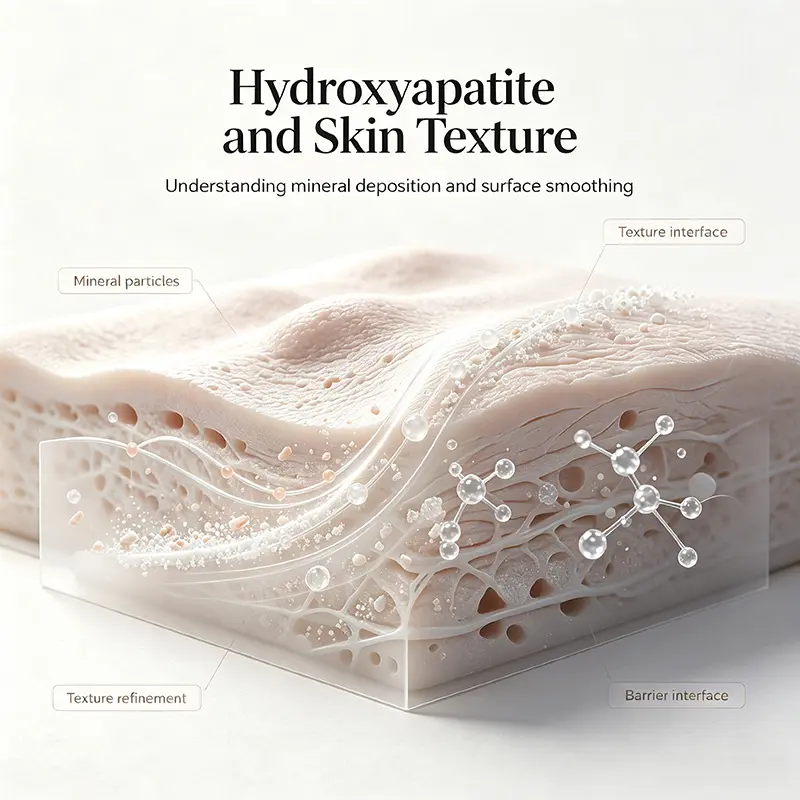
The name Hydroxyapatite (HAp) has historically appeared more in the context of orthopedic implants and dental restorative materials. But in 2026, it is crossing over into the aesthetics and skincare space at an astonishing pace—both as a star ingredient in injectable fillers and as a multi-functional player in daily skincare.
From St. Petersburg State University developing "4-in-1" nanoparticles that replace four ingredients at once, to the EU's Scientific Committee on Consumer Safety endorsing the safety of its nano-form, to continually validated collagen-stimulating and cell-regenerating mechanisms in the scientific literature—the "new beauty story" of hydroxyapatite is being rewritten.
But is it truly an "upgrade" to aesthetic injectables, or a "new hope" for daily skincare? The answer to this question may be more complex than it appears.
Does Salicylic Acid Cause Skin Purging? The Science Behind the "Worse Before Better" Phase
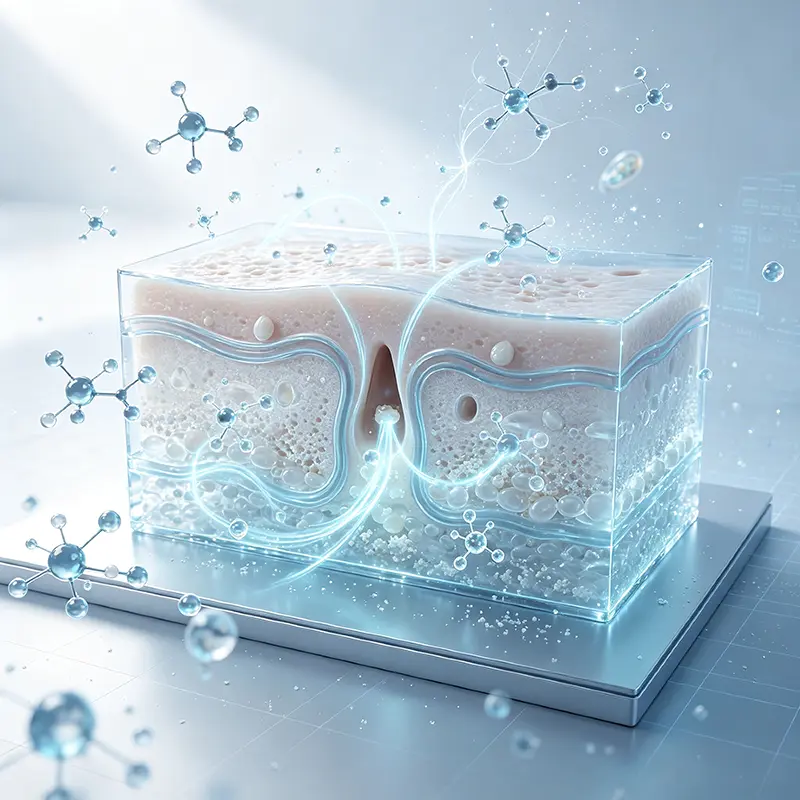
You apply salicylic acid for the first time. A few days later, your face breaks out in a cluster of new pimples. Your first reaction? "This product doesn't suit me." "I'm allergic to this ingredient." That's the instinctive judgment most people make.
But dermatologists tell you: this may actually be proof that the product is working.
This phenomenon is called skin purging—a short-term reaction many people experience when using active ingredients like salicylic acid. It puts the skin through an "awkward phase" before it gets better. And the real question for consumers is: how do you tell the difference between normal purging and a true allergic reaction?